
Sugar is big nutrition news these days, and sugar addiction is getting the attention it deserved a long time ago when only a few nuts (like yours truly) were talking about it.
I searched recently for the mainstream “wisdom” on getting rid of sugar cravings. The suggestions I found display a poor understanding by the various authors of what makes us crave sugar.
Below are some of those suggestions, and why I doubt their effectiveness. Of course, almost everything will work for some people, but as a rule, these aren’t things I’d recommend to my clients.[wlm_private ‘PRO-Platinum|PRO-Monthly|PRO-Gratis|PRO-Seasonal|Platinum-trial|Monthly-trial|PRO-Military|30-Days-of-PRO|90 Day PRO|Stages-Instructor|Schwinn-Instructor|Instructor-Bonus|28 Day Challenge']
- Turn your attention to something else. This approach is a good match for the next one on the list.
- Change the scenery & take a walk. Whoever proposed these two solutions thinks cravings are “all in your head”, so the solution must be to focus your thoughts on something else.
- Talk to a friend. If you believe that a sugar craving is an emotional phenomenon, this suggestion seems reasonable. It’s less reasonable if you look at the physiological side of cravings.
- Meditate. If you think cravings are the result of a way of thinking or feeling, or a result of stress, this may seem reasonable. And it can change brain chemistry, so it could work.
- Avoid stress. Of course, that sounds fantastic. Who wouldn’t want to avoid stress? But it’s not always realistic. Besides, what if you’re already stressed? What do you do then?
This advice also doesn’t distinguish a craving from the urge to eat. That urge to eat when stressed may actually be an inborn reaction. Even animals do it. It’s not always the same thing as a craving.
- Drink water. This is ALWAYS good advice. But a craving isn’t necessarily the result of dehydration. Thirst can be mistaken for hunger, and, apparently, the urge to eat is sometimes mistaken for a craving (see “Avoid stress” above). But they’re not really the same.
The following suggestions might be effective temporarily, but could backfire in the long run.
- Eat a little of the craved food, then divert your attention. This shows a misunderstanding of the neurochemical effects of sugar. Yes, eating sugar will take away the craving — after all, you’re eating what you craved. But it will probably come back later with a vengeance. And if you eat sugar and the craving goes away, why would you even need to turn your attention to something else?
- Eat the craved food, then something healthful. Sorry, you’ll never convince me that sugar cravings will be “cured” by eating sugar plus kale. The craving will return big-time later, and the sugar may make kale (or other healthful food) seem unappealing.
- Eat a decadent, delectable version of the craved food and savor it. How slowly and voluptuously you eat the food has nothing to do with eliminating the craving. Eating sugar will always stop a sugar craving — but that’s short-term at best.
- Eat fruit. As if fruit isn’t sugar. If you recognize that it is, this suggestion is the same as the rest of the food suggestions above.
My recommendation is to treat a craving like what it truly is: a neurochemical phenomenon. Since it’s neurochemical, it’s physiological. Would we tell someone to get rid of the flu by changing the scenery? By diverting her/his attention? Those are good things to do, but they might not be an effective answer to a physiological problem.
In a previous post, the causes of sugar cravings were described, and all were neurochemical.
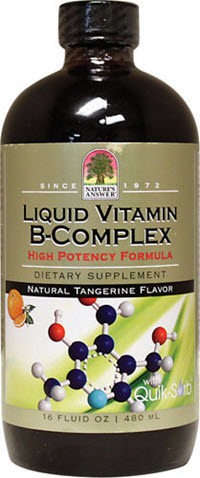
Addressing neurochemistry may be a better way to fix a neurochemical problem. Use liquid B-complex, suggested in a previous post, for short-term relief. (It really works.) Change your diet for a long-term cure. (It really works.) Get a coach for ongoing support, because those two suggestions can be easier said than done.
Coaching really works.[/wlm_private]

Contact her at drjoan@foodaddictionsolutions.com
- Cardio vs. HIIT:Why Not Combine Them? - May 31, 2021
- Rowing: Great Cross-Training For Cyclists - February 26, 2021
- Salt’s Okay?Sweet! - February 7, 2021