
by Joan Kent | Jun 30, 2014 | Engage Your Students, Health and Wellness
Have any of your students ever told you they want to lose weight, even though you (and everyone else) think they “look fine”? What advice have you given them? This post is about the unconventional advice I gave a nutrition client when everyone was telling her the opposite.
The client, “Susan”, came to me and complained about being a size 6. She didn’t like being that size and insisted that she had to be a 4. Susan had been to several other nutritionists and fitness instructors, and had also talked to her friends about this problem. Everyone, professionals and friends alike, had drawn the same conclusion. They told her she looked great the way she was (which was true; she did) and just needed to develop a more realistic view of her body.
Some people, they told her, aren’t meant to be size 4, and you need to accept that.
Before I make any recommendations for a client, I always begin by asking lots of questions. So that’s what I did with Susan.
I took her unhappiness with her weight seriously, rather than dismissing it as some sort of character flaw. I’m convinced that someone who feels uncomfortable at a given weight may actually be tuning in to what her body’s telling her, not pining to look like her favorite fashion model.
It turned out that Susan’s eating was under control portion-wise for most of the day, although, in the evenings, she often binged.
But what made the strongest impression on me was the way Susan conducted the food journal review. When she showed me the log, she went through every single entry with me. She read the foods aloud and told me the story behind everything she’d had at each meal. I heard about cravings, the reasons for each selection, and more.
Obviously, Susan liked being in control. I decided that was the clue to this whole thing. No one likes feeling out of control when it comes to food and eating. That has been the source of self-esteem issues in many of the clients I’ve worked with over the years. The main difference for Susan between sizes 4 and 6 was not her appearance, but what it took to be a 4. As a 4, she had felt in control. Now she was bingeing.
So we addressed the bingeing and what Susan ate during the day that caused her to binge at night. If you’ve read other posts I’ve written, it won’t surprise you that the culprit seemed to be sugar. Susan’s night binges always occurred after she’d eaten sugar during the day. It felt intuitively clear that getting sugar out of Susan’s diet would give her back the control she really wanted, regardless of her weight.
Well, the results showed that my hunch had been correct. Susan’s cleaned-up diet didn’t trigger binges, and that was a relief for her. Yes, she did lose a few pounds, but she stopped obsessing about getting back to a size 4 and finally did what everyone had wanted her to do all along. She accepted her body.
As an indoor cycling instructor, you may be a logical starting point for a student who wants to lose weight. If she needs more help than you’re comfortable giving, you can always refer. But my hope is that, if she looks pretty good, you’ll consider her discomfort something more than an unrealistic expectation.
by Joan Kent | Jun 16, 2014 | Health and Wellness, Instructor Tips and Tricks, Master Instructor Blog
Plenty of things about nutrition are important but, to me, kinda boring. This is one of those things. But the topic is health-related, so it seems like a viable one.
What’s great is many foods are said to be powerful disease fighters, and this post will cover several of them. Those who plan to object that I’ve left out a bunch will be right. This is not meant to be the definitive, exhaustive list of such foods.
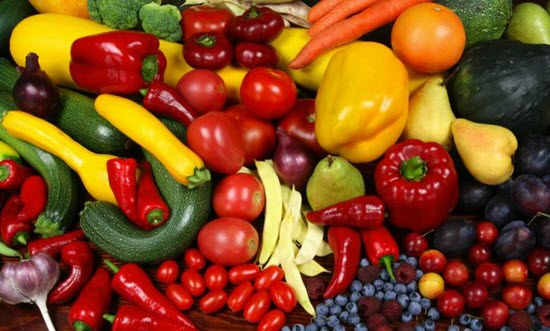
As you probably already know, colorful pigments in foods often indicate the presence of phytonutrients that can fight cancer, heart disease, and other diseases associated with oxidative damage. Oxidative damage is caused by free radicals, molecules that have lost an electron. Free radicals can scavenge electrons from healthy molecules, which may then develop diseases, including cancer.
Free radicals occur during normal metabolic functions but can also be created by toxins, processed foods or pollution. Potential sources of free radical production are everywhere. Antioxidants in foods help guard us against the damage they cause.
Red/blue foods contain anthocyanins. Examples are cherries, blueberries, plums and strawberries. In addition to anti-inflammatory benefits, they can protect against memory loss and declining motor skills.
Yellow/orange foods contain carotenoids, which can fight lung cancer. Examples of these foods are sweet potatoes (a wonder food in themselves), pumpkin, carrots, winter squash, cantaloupe, and broccoli. The chlorophyll in broccoli masks the yellow/orange pigment.
Orange foods, such as mangoes, oranges and papayas, contain cryptoxanthin, which is said to reduce cervical cancer risk.
Lycopene is well known for its ability to fight prostate cancer and heart disease. Since cooked tomatoes contain lycopene, they sparked, as you may recall, an odd controversy on whether or not pizza is a health food. No comment needed.
The yellow pigments — lutein and xeaxanthin — can protect the eye from blue-spectrum light and guard against macular degeneration. Corn and spinach are foods that contain them. Again, the chlorophyll in spinach masks the yellow pigment.
Astaxanthin is an important antioxidant found in pink foods — wild salmon, shrimp, lobster and crab.
An often-overlooked produce color is white. White produce is said to protect against stroke. White produce includes cauliflower, parsnips, Daikon radish, cucumbers, apples, pears, and bananas. Apples and pears are also anti-inflammatory and may help reduce blood pressure.
Looking beyond colors, some high-ranking antioxidant foods are dried beans, blueberries, cranberries (not dried — those are sweetened), berries, artichokes, prunes, apples, pecans, cherries, black plums, and Russet potatoes.
Cancer-fighting foods include almonds (10 per day), apples, blueberries, cherries, Brazil nuts, chickpeas, lentils, red beans, oranges, green leafy vegetables, dark green vegetables, tomatoes, wheat grass juice, and cruciferous vegetables.
Those much-touted and healthful cruciferous vegetables include broccoli, cauliflower, Brussels sprouts, cabbage, spinach, arugula, bok choy, collard greens, Daikon radish and other varieties, horseradish, kale, kohlrabi, mustard greens, rutabaga, turnips, and watercress.
As you can see, several foods show up on more than one of the above lists. Those are nutrition powerhouses.
Despite the appearance of various fruits on all of the lists, my general recommendations are 6 to 13 servings of vegetables per day (a serving is ½ cup), plus 1 to 2 servings of fruit per day (a serving is ½ cup or 1 medium-size fruit). Choose your fruits and vegetables from the lists above, and above all, stay away from the 5-a-day approach. That can too easily turn into 5 servings of fruit with no vegetables.
Don’t forget to include nuts and beans. And, of course, avoid junky, processed foods to limit free radical formation in the first place.
by Joan Kent | Jun 9, 2014 | Engage Your Students, Health and Wellness
By Joan Kent –
As you’ve no doubt heard, saturated fats are no longer considered the health problem they once were. It turns out that the connection between saturated fats and heart disease, cholesterol, and atherosclerosis is far weaker than we thought.
These days, everyone is pointing to sugar, and blaming sugar for the very health issues that used to be blamed on fats — the diseases above, as well as hypertension and more. Those health conditions have more to do with inflammation. And sugar and other highly insulin-triggering carbs promote greater inflammation than sat fat.
No argument from me, of course. I’ve been blaming sugar for those conditions for over 20 years and have written a number of posts on those very subjects.
The main difference lies in the huge number of arguments I used to get, compared with how few I hear now. In 1996, for example, I recall participating in what I was told would be a “panel discussion.” (I was lied to about the format. It turned out to be a debate, and I was up first so the other speaker could have the last word. Ah, memories!) Anyway, the other speaker stood up at one point, held out his arms like an orator and intoned in his deepest horror-movie voice, “FATS ARE BAD!”
In the years since, I’ve sometimes wondered if taking such a hard line on a now-disproven point ever made him feel as ridiculous as he looked and sounded with his arms waving as he channeled Vincent Price. But I digress.
Currently, we know that unsaturated fats are associated with numerous health benefits. Omega-3s (polyunsaturates) are known for their anti-inflammatory properties. They’re cited for their ability to reduce the risk of cancer, the complications of diabetes, and the incidence of depression, bipolar disorder, dementia, and more. Omega-9s (monounsaturates) have long been credited with the ability to prevent and even reverse various heart disease risk factors.
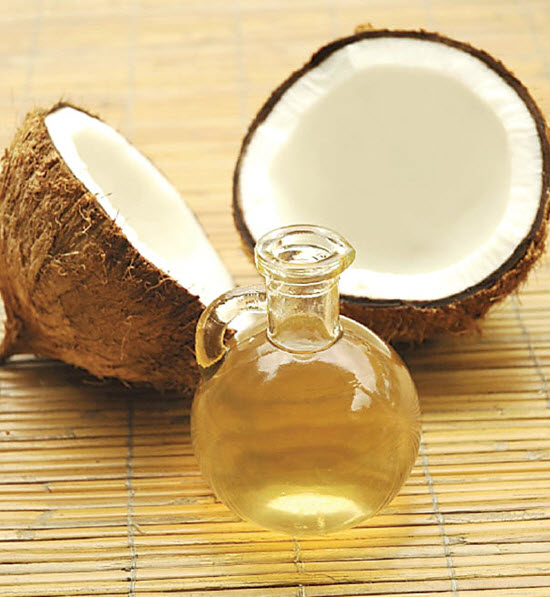
Even saturated fats have their benefits. Butter and raw, organic coconut oil both contain lauric acid. Lauric acid has been shown to benefit hair and skin, and to have antiviral, antifungal and antibacterial effects. When it turns to ketone bodies, lauric acid can reduce epileptic seizures in children and improve brain function in Alzheimer’s patients.
There’s an interesting health point, though, that’s less widely known and differentiates saturated and unsaturated fats. Saturated fats have been shown to contribute to weight gain to a greater degree than unsaturated fats.
If weight management were always “calories in / calories out,” that couldn’t be so. All fats provide 9 calories per gram. But this has to do with hormones. Sat fats trigger insulin secretion, and unsaturated fats do not. Insulin is a fat storage hormone. Also, a combination of saturated fat and insulin-triggering carbs will promote a synergistic boost in insulin that neither would generate alone.
Yet to further complicate the issue, coconut oil appears to be associated with weight loss.
So what recommendations can we take from all of this? Well, nothing earth-shattering. If you eat saturated fats, eat the better kinds — organic coconut oil and butter, rather than bacon or battered, deep-fried foods. Let’s continue to go easy on the traditionally bad sat fats and the foods that contain them.
When I was a kid, every baked potato I ate was as bright yellow as a rain slicker because of all the butter I insisted on glopping on it. Sure, it might be less likely to give me heart disease than we used to be told, but it’s obvious that restraint and moderation might still be a good idea. And I don’t know about you, but the older I get, the more my hips and thighs demand that….
by Joan Kent | Jun 2, 2014 | Best Practices, Health and Wellness, Master Instructor Blog

By Joan Kent
For over 13 years, until about a year and a half ago, I was in an athletic performance program that was progressive and periodized. Phases 2 and 3 involved some seriously difficult trainings. I was in the habit of eating what I called my “no-bonk breakfast” because it got me through even the toughest workouts without an energy crash.
Since then, nutrition trends have shifted, as they tend to do. So I thought I’d present the No-Bonk Breakfast in its original form and offer a few variations for those who would prefer those.
Here’s the original. It starts with oatmeal, although you shouldn’t eat that first, by itself. Cook it with water and cinnamon (for the glucose-stabilizing effect). If you’re feeling hardcore, you can open the refrigerator and find some protein, like chicken, from last night’s dinner and eat that while the oatmeal cooks. If not, stay with me for Plan B.
Plan B: Once the oatmeal is done, add a scoop of high-quality protein powder. This can be unflavored whey protein or a raw, vegan vegetable protein powder — or a combination of the two. (Other types of protein powder, like soy or brown rice, can also work. It’s a personal choice, although I find brown rice protein powder tends to upset my stomach.) Don’t cook the oatmeal with the protein powder, since heat can destroy amino acids. Add it to the cooked oatmeal.
Then add a wholesome fat. Examples might include raw, organic coconut oil; raw almond butter; cashew/macadamia butter (I gave you easy instructions for that over the holidays); walnuts, or another option that appeals to you.
If you want, you can add some fruit, such as ¼ cup of berries and/or ½ to 1 teaspoon of probiotic yogurt.
Okay, that’s the original breakfast. Many gluten-free readers will object to oats from that perspective. Instead, you can try exactly the same recipe using quinoa. Because quinoa is often a lunch or dinner item, people assume its seasonings need to be savory, but there’s no reason at all you can’t use cinnamon and fruit, if you wish.
Another gluten-free way to go is with brown rice. You might even try sweet potatoes. I’ve discovered that sweet potatoes and cinnamon make a great combination.
Some of these alternatives won’t lend themselves to blending with protein powder, so here are two suggestions: mix the protein powder in a cup with water and drink it first, then eat the rest of your breakfast, OR go back to the original, “hard-core” idea and eat some leftover protein from dinner while heating up your rice, sweet potatoes, or quinoa.
Whatever you decide, this will be a great pre-class or pre-ride meal, but do not have it immediately before the workout.
It’s a good idea to eat as soon as you get up in the morning. One sports nutrition expert advised us to wake up, use the bathroom as always, then immediately go into the kitchen and eat. That’s not only good advice, but somewhat radical, since it’s uncommon.
The worst thing to do is take care of everything else first — pack your gym bag (or get your cycling gear together), walk your dog, update your Facebook page — and then eat whatever you find before you run out the door. Doing that forces you to settle for the “grab-n-go” — whatever you can eat while driving, while cycling, while walking, or what-have-you. It also means the food won’t be available during your training because it will still be in your stomach.
So the No-Bonk plan is: a) wake up early and eat right away, so your food is more accessible when your body needs it; b) eat one of the above breakfasts that combines protein, complex starches, and healthful fats. Fruit is optional. Portion sizes are up to you. Judge your own calorie needs and what you can handle comfortably.
The right breakfast and the right timing should help you get through a tough class or a tough ride without an energy slump. Please let me know how this works for you.
by Joan Kent | May 26, 2014 | Health and Wellness
Next month, I’m giving a talk at a conference on autism and food. This very brief post focuses on a link that I found unexpectedly while doing some quick research on PubMed.
Apparently, autism is now referred to as autism spectrum disorder, a concept that developed as a result of the widely varied symptoms that may be involved. The disorder is absolutely not my field; I was asked to speak on sugar as a limiting factor in health. (I’m quite comfortable with that topic.)
While researching and preparing the talk, however, I ran across several articles in different science journals that describe a link between maternal metabolic conditions and the risk for autism spectrum disorder, developmental delays, and impaired development in their children.
The metabolic conditions investigated included diabetes, decreased insulin sensitivity, hypertension, high triglycerides, low HDL (good) cholesterol, high fasting insulin, and high fasting glucose. The presence of these conditions in pregnant women makes their infants more likely to develop disorders in the autism spectrum.
Researchers have concluded that increasing rates of obesity among the US population could make these findings significant and quite serious in terms of public health concerns.
For my part, I’m aware that obesity can and does cause insulin resistance, but it’s certainly not the only cause. A number of factors can lead to insulin resistance (IR), including diet. In fact, diet can play a major role, both as cause and in successful risk management, or even reversal. The metabolic conditions are the same and can occur no matter which factor triggers IR.
(As it turns out, research on lab animals has shown a link between poor-quality maternal diets and insulin resistance, but, for obvious reasons, that kind of research could never be done on pregnant women.)
Needless to say, I’ll let the conference attendees know about this link I just read about between maternal metabolic conditions and the autism spectrum, and also about the link between diet (emphasis on sugar that day) and those metabolic conditions.
Let’s say you have a student who is overweight or has any of the above metabolic conditions. If she is, or is planning to become, pregnant, it would be wise for her to work with you or with a nutritionist. (Obviously, I’m not suggesting working with nutrition at the expense of medical care. Everyone knows how important prenatal care is for pregnant women.)
My point is that eating better and getting the metabolic conditions under control as soon as possible could make a big difference for both mother and baby, and that’s clearly worthwhile.
by Joan Kent | May 12, 2014 | Health and Wellness, Master Instructor Blog
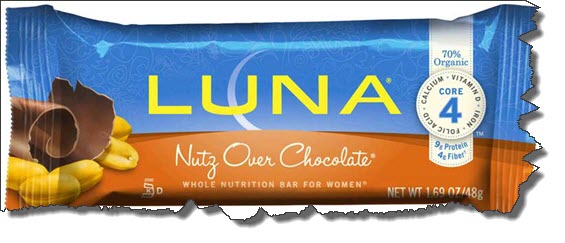
Luna is a popular bar marketed to women.
By Joan Kent, Ph.D.
Some training bars / food bars / snack bars are advertised as being for women. What does that mean? What do women’s bars contain that men’s bars — have you ever even heard of those? — don’t?
Some women’s bars contain nutrients that are apparently of concern and benefit to women. Examples are calcium, vitamin D, iron, and folic acid. It’s my plan to keep this post brief, but I’ll mention a little about these nutrients. (Disclaimer: This is not a nutrition primer, so it will NOT cover Everything You Always Wanted To Know About Women’s Nutrition But Were Afraid To Ask.)
Calcium is a controversial nutrient. No one argues that it’s not important; the controversy centers on the source. Calcium that comes from dairy foods has been shown to be effective but won’t work for those with lactose intolerance or casein sensitivities, or for those who follow vegan dietary guidelines.
Dolomite is a calcium source considered safe for adults, although it can cause gastric problems — nausea, vomiting, diarrhea, constipation, stomach irritation — and may be contaminated with various heavy metals. (I don’t know. How safe does that sound to you?)
Some sources advocate calcium supplements, while others warn that supplements can increase risk of heart attack and may be harmful for people with kidney disease, sarcoidosis, or parathyroid problems.
So whence derives the calcium in Women’s Bars? I’m guessing it’s not from leafy greens or fish, both considered good sources. In any case, it’s wise to consider all sources of calcium in the diet before adding more with a bar.
Vitamin D is a healthful nutrient, the importance of which has recently been stressed for women for a wide variety of health issues. Doctors vary considerably in their dosage recommendations. It’s wise to consider all sources of vitamin D in one’s diet, including any bars you may eat.
Iron is involved in oxygen delivery and is important for athletes and menstruating women. While the benefits of antioxidants are well known, iron is actually an oxidant and may form free radicals that can seriously damage the body. Excess stored iron increases risk of atherosclerosis, heart disease, cancer, and inflammatory bowel disease. It can destroy the insulin-producing cells in the pancreas and cause diabetes, and can contribute to Alzheimer’s disease. Again, keep in mind all sources of iron in the diet before adding bars.
Folic acid is in women’s bars because folate is important before and during pregnancy. They’re not the same. Folic acid is the synthetic form of folate and is so highly absorbable that excess intake can happen easily. High intake of folic acid can mask detection of vitamin B12 deficiency. This is more of a problem in the elderly, but it’s something to consider. Natural folate can be found in spinach, asparagus, turnip greens, mustard greens, parsley, collards, broccoli, cauliflower, beets, lentils, and both calf and chicken liver. Women’s Bars contain folic acid.
All of this taken into account, I’d say the main thing that makes a bar a Women’s Bar is the high amount of sugar. Have you tasted any of them? Yikes, they’re appallingly sweet, apparently, because women like sugary foods. It might be a good idea to stay away for that reason alone.
If anyone asked me to suggest a recipe for a women’s bar, it would have lots of protein. Why? Women’s brains have a higher rate of serotonin turnover than men’s, so they need to keep making more. Serotonin is made from tryptophan, which is an amino acid. Amino acids are the building blocks of protein.
So eating more protein is important for women’s brains. Even for those women who prefer carbs (maybe especially for them).
More protein and less sugar would make for a better Women’s Bar. There’s only one thing — the source of the protein. In most bars it’s soy, and that brings in problems of gigantic proportions.
But we’ll have to look at those in another post.
