
by Joan Kent | Apr 14, 2014 | Health and Wellness, Master Instructor Blog
By Joan Kent
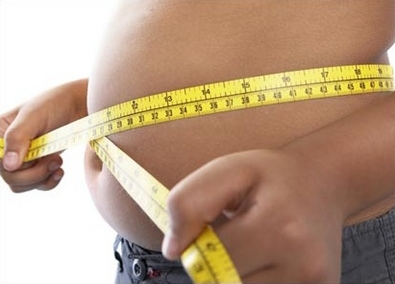
ICI/PRO readers know that exercise can reduce the risk of heart disease, type 2 diabetes, hypertension, cholesterol problems, cancer, and more. Underlying those diseases is insulin resistance. Exercise reduces health risks by making skeletal muscle more sensitive to insulin, effectively reducing the resistance.
Insulin is a hormone that’s produced by the pancreas and allows glucose to enter cells for metabolism. It has several other functions, as well.
Under certain circumstances, someone might become insulin resistant, and the cells no longer respond to insulin’s cues. To get the job done, the body’s first line of defense is to produce more insulin. This may work, and can continue to work until the production of insulin no longer outpaces the degree of resistance. (That’s an extremely oversimplified description of the onset of type 2 diabetes.)
Along the way, the high levels of insulin are likely to cause a variety of health issues. So it’s not insulin resistance per se that causes disease, but the extra insulin that’s released to compensate. This is associated with Series 2 prostaglandins and inflammation, a topic covered in a previous post (An Important Key to Health).
What we typically learn about insulin resistance (IR) is that it’s a result of overweight. That’s a true enough statement, but not the whole picture. For example, IR can be caused by genetic factors. Over 40 genetic mutations can result in someone’s being born with insulin resistance or with a predisposition to it.
IR can also be the result of lifestyle factors. Lack of exercise is one obvious cause, along with diet. A high-fat diet can cause resistance to insulin through a specific mechanism, a high-carb diet through a different mechanism, and a high-fructose diet through yet another.
Insulin resistance isn’t always a result of overweight/obesity. It can also be a cause. Cells differ in their sensitivity to insulin. The primary site of IR is skeletal muscle. How does insulin-resistant skeletal muscle behave? It doesn’t allow glucose to enter the cell. The glucose ends up being transported to fat cells.
Another important site is the liver. How does an insulin-resistant liver behave? It doesn’t respond to the feedback loop that tells it to stop releasing glucose, so glucose levels remain high.
An interesting connection with depression exists, as well.
You recall from 7th grade biology that amino acids are “the building blocks of protein.” One of insulin’s functions is to transport amino acids to skeletal muscle, where they can be used for a variety of functions. Those functions include immune support, formation of hormones and enzymes, insulin receptor site turnover, pH and fluid balances, wound healing, tissue growth and repair, blood protein formation, energy use, and more.
The most important function is the formation of specific brain chemicals from specific amino acids. One amino acid, tryptophan, is the precursor of serotonin. The brain chemical serotonin has become commonly known, due to the anti-depressant medications that have been on the market for years.
Insulin resistance interferes with the transport of tryptophan to the brain and can therefore contribute to depression.
To the degree that indoor cycling can help reduce the incidence of insulin resistance, it can therefore help reduce the incidence of depression. This isn’t as far-fetched as it sounds. In the research for my dissertation, participants completed tests for depression and anxiety, both before and after they had gone through the 8-week study. Consistently, the participants who were exercising regularly had lower scores for depression and anxiety.
It’s kinda cool to realize that what we love to do helps our riders reduce their risk for health problems — along with their risk for mood issues.
by Joan Kent | Apr 7, 2014 | Health and Wellness, Master Instructor Blog

By Joan Kent
The good news is things have moved forward with respect to food addictions. For one thing, food addictions are now acknowledged as real. (When I started doing this work, they were not — I remember how people would argue against the idea.) Now we know that food addictions are based in neurochemistry, making them physiologically real.
Those who claim they’re something else tend to be unaware, either of the neurochemistry and physiology of addiction OR of the neurochemical effects of foods.
Sugar addiction is still the most common food addiction I see in my practice.
But other common addictive foods, such as saturated fats and processed white flour, are not always recognized as such.
Genetic factors may predispose someone to a given food addiction. These can include a family history of alcoholism, diabetes, hypoglycemia, hypertension, depression, and more. There are also non-genetic predisposing factors, including, but not limited to, post-traumatic stress disorder (which alters neurochemistry) and body type.
The brain response to sugar, saturated fats or other foods is often as genetic as eye color. We each got what we got. What’s great is we can do something about it. Changes in diet can alter neurochemical levels and modify cravings, appetite, mood and food preferences in a beneficial way. My dissertation was on the treatment of women with binge-eating disorder. Eliminating sugar was found to bring a significant decrease in bingeing and craving.
It helps no one to ignore an addictive response to certain foods and treat it as if it were not an addiction. Treating an addictive response as an emotional problem misses the point. (Amazingly, there are still people in the weight-loss field who do that.) And it never gets to the underlying issue. Worst of all, it could very likely make the addicted individual feel like a failure if she or he couldn’t control the addictive response to sugar emotionally. How unnerving, when the response is physiological.
In some ways, food addictions may actually be more difficult to conquer than other addictions. Obviously, abstinence is not an option. We can decide to give up alcohol or any other drug and only be the better for it, even if going through the rehabilitation is tough. But food is something we have to deal with several times a day, every day, for the rest of our lives, so the problem is insidious.
Virtually any food can result in addiction for people who are susceptible. That can occur due to various food sensitivities (sometimes called “allergies”, a controversial term with respect to foods). The sensitivity may result in a neurochemical cascade that can trigger an addictive response. So, interestingly, some people with food sensitivities end up addicted to the very foods that make them feel worst.
Elimination diets are sometimes used in such cases. I have used that approach at times for suspected food sensitivities. Most food addictions, though, seem to hinge on general neurochemical responses (by all) that are problematic for some due to predisposing factors, based on family history. That can often be determined via questionnaire. If more specific information is necessary (by blood test, for example), I refer to an M.D.
The bad news in this situation is that food addictions, especially sugar addiction, are disturbingly common and are contributing profoundly to obesity, diabetes, heart disease, and several types of cancer. But that’s a post for another week.
by Joan Kent | Mar 24, 2014 | Health and Wellness, Leading Group Rides, Master Instructor Blog

Image from http://www.sustainablemontreal.ca/2010/07/13/7-milespotato-the-beauty-of-the-bicycle/
By Joan Kent, Ph.D.
“Sugar is bad stuff, but what should I eat on a long ride?” Over the years, many cyclists have asked me that question. In reply, I came up with the idea for Dr. Joan’s Potato Goo. (No, that’s not a brand name, just my private joke.)
I’ve used Potato Goo successfully on many long rides, including indoor centuries. The late, very great Jim Karanas made it the staple of his diet on long rides (he also ate other foods on ultra rides). I’ve often made extra for group rides, and it has developed quite a following. It even brought a skilled rider back from a complete bonk after he’d been eating bars and gels all ride long.
Never one for complicated recipes, I make this the easy way. You’ll need:
– raw potatoes of any kind (red potatoes have a really terrific, smooth texture, and I use organic)
– salt (sea salt is nice for the minerals, but not essential)
– a little water (I used distilled)
– snack-size zipper bags
– a food processor.
Select about 3 or 4 potatoes and cook them, with skins, any way you like. I microwave because I’m the laziest cook in the known universe, but choose your favorite method. They should be soft when done.
Let the potatoes cool. Slice them and place them in a food processor with some sea salt. How much salt depends on the number and size of the potatoes, but you’ll need to taste the mixture once you’ve started mixing. IMPORTANT — It should taste salty, but not overly salty.
Add water, a little at a time, to make a paste. You’ll be squeezing the Goo out of the corner of the zipper bag, so adjust the consistency. Too thick will obviously not squeeze out easily; too watery will make a runny mess.
Once everything’s in the food processor, just start it and let it run until the Goo has a uniform texture. Taste for the salt, add more if necessary, add water if necessary, and done!
Spoon the Goo into snack-size zipper bags, filling each bag with only the amount you’d want to consume at a rest stop. I actually carry a few zipper bags of Goo in my back jersey pocket, inside a light-weight plastic bag from the grocery store, and keep the empty zipper bags in the plastic bag until I find a place to dispose of them.
So what do you get with Potato Goo that you don’t get with bars, gels, shots, or other sugars? You get the recommended electrolytes — potassium from the potatoes, sodium from the salt — along with the fastest carbs going. Much faster than sugar. Glycemic index (GI) is hardly the be-all/end-all, but here’s one instance in which it’s quite helpful. The GI of potatoes is far higher (faster) than that of sugar, so the potatoes start working almost immediately. You can really feel them. There’s no sugar crash. And potatoes don’t cause the gastro-intestinal upsets commonly associated with fructose — a common ingredient in many bars and sports drinks.
For anyone who’s sensitive to sugar, this is a better way to fuel because you won’t find yourself dealing with sugar cravings, withdrawal, malaise, or other after-effects of sugar consumption.
Caution: No nutrition surprises on Performance Day! If you have a major ride coming up, try this on a training ride first. Know how your body responds before you invest 100% in Potato Goo. Please always eat a solid pre-training meal before your ride.
Dr. Joan’s Potato Goo has worked for indoor and outdoor cyclists, runners, and indoor rowers. If you try it, please let me know how it works for you.
by Joan Kent | Mar 17, 2014 | Health and Wellness, Master Instructor Blog
 By Joan Kent, Ph.D.
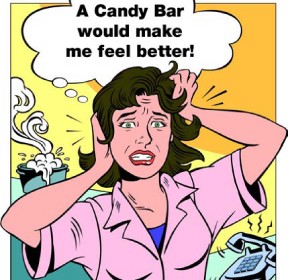
A looong time ago (1998), I wrote a doctoral dissertation that started with several observations about women with binge-eating disorder. One was their relationship with sugar. As I examined the DSM-IV criteria for substance dependence against the DSM-IV criteria for binge-eating disorder, it became obvious that addiction to sugar was very likely driving the binge eating. ‘No kidding,' you say, but this was radical thinking in 1998.
My research divided the participants, all screened for binge-eating disorder, into three groups. The low-sugar group was given low-sugar nutrition guidelines to follow. They logged their food intake, including any binge episodes and/or cravings, and came to weekly support meetings.
The low-fat group followed low-fat guidelines, logged their food, binges and cravings, and attended weekly meetings. The control group had no nutrition guidelines or support meetings and simply logged their food, binges and cravings.
All groups reported periodically for weigh-ins and measurements.
Bingeing and craving decreased most in the low-sugar group. Weight loss was greatest in that group, although the weight loss couldn’t be fully explained by comparing calorie intake among the groups.
What I find funny (okay, maybe a little irritating) is that people are now — in 2014 — finally — at long last — finding a connection between sugar addiction and the obesity epidemic. I guess the 1985-1999 low-fat craze — and a “craze” is what it was — had to die before people could see what was going on. (What can I say? My mother always told me I saw connections others didn’t.)
So how does sugar contribute to the obesity epidemic? Let’s take a look at what sugar does:
- Sugar triggers a “priming” reaction — even a little makes us want more. This is due to a specific dopamine receptor in the brain. Some people experience this more acutely than others. I consider this effect of sugar the main argument against eating “a small amount” of what we crave. Priming can turn that into a very large amount.
- It’s addictive, so it definitely makes us want lots of sugary food and encourages over-consumption.
- Sugar addiction is physiologically real. It may cause withdrawal symptoms (cravings, agitation, restlessness, inability to focus, and more) when it’s not available. Seeking and eating sugar frequently to end the discomfort of withdrawal can lead to overeating and weight gain.
- Sugar may be responsible for what I named “secondary fat consumption”. None of the study participants got cravings for fats. Almost all got cravings for sugar. But! In response to the sugar cravings, they’d often eat foods that contained lots of fat. For example, a craving for sweet was likely to be answered with a bowl of ice cream — high in both sugar and fat. Why? Research shows that fat makes sugar taste sweeter. The added calories and fat were significant in all groups.
- It triggers the release of beta-endorphin in the brain. Beta-endorphin inhibits the brain’s primary satiety center (the VMH). That may increase appetite, increase food consumption at a given meal — and lead to more frequent meals.
- Beta-endorphin changes food preferences toward other beta-endorphin triggers: fats or more sugar. The preference for healthful fare, such as vegetables, shrinks in comparison to those foods. Calorie intake can easily rise. Also, meals that are high in fat can trigger ghrelin, a hormone that tends to increase appetite as it slows metabolism — a potentially dangerous combination for weight and health.
It’s clear from this list that sugar makes it all too easy to over-consume food and calories, especially empty calories. We can see the role it plays in binge eating and overweight. I stress that this connection was crystal clear to me in 1998 when I wrote my dissertation, and still in 1999 when it was completed.
So thanks for indulging me. I just needed to take credit for this, since credit is now being claimed by others some 15-plus years later.
by Joan Kent | Mar 3, 2014 | Master Instructor Blog

Image from http://adkjerseygirl.wordpress.com/2012/05/01/what-is-going-raw/
By Joan Kent
I’m often asked for my opinion about raw food diets, so I've done some research on them. Here’s what I think.
On the surface, it seems reasonable that raw foods would be better for us. After all, every process we put our food through, from start to finish, detracts at least a little from the nutrition. Raw foods would undergo the least processing, so they’d be more nutritious. Perhaps because of that, many raw foodies say they feel more energetic on a raw diet.
A couple of problems may occur with raw diets, though. One has to do with substances called goitrogens that some foods contain. These goitrogens can interfere with thyroid function, making it wise to limit or even avoid foods that contain them.
So which foods contain goitrogens? The list includes cabbage, peanuts, pine nuts, broccoli, Brussels sprouts, kale, spinach, bok choy, cauliflower, soy, mustard greens, collards, radishes, turnips, and more. As you know, some of these foods have a well-deserved reputation for being nutrition-packed all-stars, so we don’t necessarily want to eliminate them.
The good news is that heat from cooking can effectively destroy goitrogens, so these very healthful foods can still be part of your diet — as long as you let go of the raw rule where they’re concerned. I was in the habit of juicing several of these raw foods and stopped when I learned this information. Now I always steam or saute them. In the case of soy, fermentation (miso, tempeh) will do the trick.
Another problem I’ve seen has to do with which “track” the individual chooses. It actually appears to be quite clear-cut: Some raw foodies go in the vegetable direction, some in the fruit direction. It’s the fruit direction that concerns me. Fructose, the sugar in fruit, is nasty stuff.
Health-wise, fructose can induce insulin resistance, decrease glucose tolerance (both may lead to diabetes); increase blood pressure; increase LDL (bad) cholesterol or make it smaller, denser and more likely to form arterial plaque; raise triglycerides and risk for heart disease; rapidly convert to body fat; increase clotting; interfere with copper absorption, which is necessary for hemoglobin; and cause cavities. It doesn’t stimulate leptin and or suppress ghrelin, leading to increased appetite. It’s addictive, may stimulate sugar cravings, and can cause malabsorption and gastro-intestinal disturbances.
Fructose is also a relatively ineffective training fuel, either pre- or post-training. It absorbs less rapidly than glucose during exercise, promotes less water uptake, leading to dehydration, blocks sodium absorption, and replaces glycogen poorly.
Raw foodies who favor fruit tell me how great it is to “eat raw” because they “can have pie for breakfast”, and it’s perfectly fine because it’s raw. The pie shell is typically made from crumbled nuts, while the pie filling is fruit puree. Variations on this theme can be found in stores. Whole Foods, for example, sells cookies resembling Oreos, with a cookie made of crumbled nuts and filled with a paste-like fruit puree.
The advantages of raw food diets would seem to lie in the consumption of lots of vegetables, as well as the elimination of many unwholesome foods. Someone who goes from eating lots of bread, cakes, desserts, and other sugar- or gluten-containing foods to eating plenty of raw vegetables will undoubtedly experience a noticeable shift in health, weight, energy, and symptom management.
But if you’ve already made healthful changes in your diet and don’t eat much junk of any kind, you’ll probably notice a less dramatic change when switching to raw foods. Even a subtle change may feel worth it to you, however, so make your own decision.
If you decide to switch to a raw diet, please do yourself a big health favor and lean toward adding more vegetables to your meals, rather than fruit. My suggestions here are simple: Cook any foods that contain goitrogens, and get on the raw vegetable track, rather than the fruit track.
Fructose is sugar, no mistake. And in quantity, fruit and fructose can pack quite a mean punch. The fact that they’re raw won’t change that.
