
by Joan Kent | Nov 22, 2016 | Health and Wellness

So. Happy Holidays, right?
About 69% of people say their stress levels go up during the holidays. Some of the stressors are crowds and long lines, gaining weight, getting into debt, and lack of time. There are others, of course, but these are at the top.
Ironically, the coping strategies people tend to use to deal with stress during the holidays are food and alcohol — which of course can make any weight gain worse.
So let’s look at 6 tips that minimize the holiday damage to your food plan.
Workout Survival
Exercise is very important because it’s a stress-buster. If you can keep your workouts going through the whole holiday season, you’ll feel much better and might not need to stress eat or drink as often.
Try an early morning workout — before anyone in your family is up and around. Fewer demands on you will help you get your workout first thing.
If that doesn’t work for you, try the BTN tactic: Better Than Nothing. BTN workouts are short — perfect for a day that leaves no room for something longer. No matter how busy you are, you can probably find 10, 11, or 12 minutes for a BTN workout.
BUT! To make this useful, it has to be physiologically meaningful. You have to pair the short duration with high intensity intervals. This approach is in keeping with research that shows high intensity interval training to be effective — some say much more effective than longer, slower cardio.
Sample format: Warm-up for 3 minutes — 1 minute easy, 1 minute a little harder, 1 minute a little harder. The rest is all about intervals and recovery. Try 40 seconds very hard, with only 20 seconds of partial recovery. Keep that going for the remaining 7 minutes.
If 40 seconds is too long, try 30 seconds very hard, with 30 seconds of recovery. If exercise is new for you, make your work interval 20 seconds and your recovery 40 seconds.
Remember the old Nike slogan and Just Do It!
Office Survival
Avoid the break room! Every office is set up differently, but the question is this: Where do they keep the holiday goodies? Stay out of that room as much as possible.
Party Survival
Never skip meals in an attempt to avoid calories on a party day. That’s just a binge waiting to happen. Eat as usual to prevent overdoing it when you get to the party and face all the temptations.
Buffet Survival
Eat some food before you go. The best choice would be protein foods (some chicken, turkey, fish or other protein you have on hand).
When you get to the buffet, give yourself a full serving of protein first. That would be 3 to 4 ounces of turkey, ham, whatever the buffet meal includes.
Next, cover at least half your plate with vegetables. Naked veggies are best with sauce on the side, or at least choose the clearer sauces or dressings.
Last, pick a small indulgence that you’d like. Don’t waste calories on foods you can get any old time. Do you really need another dinner roll? Instead, save the calories for one of Aunt Mildred’s fantastic cranberry muffins.
Now step away from the buffet! Don’t eat your meal while looking at all the food you didn’t take. Just concentrate on what you have.
The most helpful order would be to start (and finish) your protein first. It will change your brain chemistry so you actually want less food.
Next, fill up on the vegetables; they’re low in calories. Finally, have that terrific muffin.
Bonus tip: Limit yourself to one indulgence per holiday meal. If you can summon real inner strength, limit yourself to one indulgence per day!
Alcohol Survival
Avoid alcohol whenever possible. It changes brain chemistry in a way that will make you want more food — and junkier food, too.
If you do drink alcohol, alternate 1 alcoholic beverage — wine, beer or mixed drink — with 1 glass of sparkling water (or ordinary cold water). Keep alternating throughout the evening.
Meal Control as Survival
If you’re given any control over the meal, jump at the chance!
“Bring a dish” is a perfect invitation for you to put together a beautiful vegetable platter or salad. If you’re asked to bring a dessert, bring fruit and nuts.
Many guests will appreciate it. It’s simply not true that everyone will grab the highest fat selection or the most decadent dessert if they’re given a choice.
If you have control over the meals at home, consider modifying all recipes all season long. Everyone has a great recipe for mashed potatoes, for example, but you can substitute chicken broth for butter or cream. Cutting butter and sugar in half in other recipes probably will go unnoticed by your family.
And avoid glazing veggies or fruits. That just adds unnecessary sugar.
These are just a few helpful tips to get through holiday parties and dinners with less damage, less weight gain, and less stress. Part 2 will cover more great tips to help you sail through the holidays.
How great would it feel to get ahead of your New Year this holiday season? What if you could jump into next year already feeling and looking good? What if you could focus on things that really matter in January instead of having to lose the weight you gained over the holidays?
Just go to www.LastResortNutrition.com , scroll to the bottom, and click to select a FREE Eating Empowerment consult. I’d love to help you make this your best — and healthiest — holiday season ever.

by Joan Kent | Nov 14, 2016 | Engage Your Students, Health and Wellness

With the holidays rapidly approaching, we’ll soon feel the stress they bring.
Did you know one of the top stresses is weight gain? Alcohol can contribute to that in several ways. It’s often a big part of holiday celebrating and socializing, so let’s look at the ways.
– Alcohol has lots of calories.
Alcohol has 7 calories per gram. Protein and carbs yield 4 calories per gram. Only fats have more calories with 9 per gram.
– Alcohol triggers lots of insulin.
High insulin may trigger hypoglycemia in susceptible people. In turn, that may increase appetite, cause mood changes, or bring on cravings. Insulin also inhibits fat oxidation and may promote storage of the fats we eat.
– Alcohol increases appetite.
Drinking alcohol releases endorphins (beta-endorphin). Endorphins inhibit the center of the brain that makes us feel we’ve had enough food and won’t need more for a while. That can lead to more frequent desire for food — and more food at a given meal.
– Alcohol makes us want different foods.
Endorphins again. Endorphins shift food preferences and cravings toward sugars and fats. Eating more of those foods can increase calorie intake and weight gain. It may even lead to insulin resistance!
Insulin resistance isn’t just the result of overweight, as we usually hear. It can cause it — along with a variety of metabolic disorders.
– Alcohol can mess up our moods in several ways.
Alcohol changes brain chemistry and may lead to depression or anxiety, for example. But any negative mood can cause cravings. The cravings won’t be for good foods, but for junk. Between cravings and the junk they make us want, we may eat more.
Serotonin typically drops with alcohol use over time. Low serotonin affects mood, triggers cravings, AND makes us more impulsive. That combination may make it more difficult to resist cravings of any kind — including more alcohol.
– Alcohol disturbs sleep.
Alcohol prevents the deep stages of sleep (theta- and delta-wave) that are most restorative. Poor sleep can trigger the monster hormone ghrelin. Ghrelin increases appetite and food intake while it slows metabolism.
Alcohol may also cause middle-of-the-night insomnia. Insomnia might make it difficult to exercise — or to show up for early morning workouts. Insomnia may lead to depression or other bad moods, and that may decrease your motivation to work out altogether.
As you can tell, alcohol can contribute to weight gain and the stress it brings. The sabotage of alcohol goes beyond calories in/calories out.
Even worse, most of the factors above — with the exception of calorie density — hold true for sugar, as well. Limit alcohol this holiday season for better health, better moods, better sleep, and better weight management.
Yes, holiday time seems like a tough time to work on health. But it can be done — and will make you feel great going into the New Year. For help with cravings of any type, or any “odd” food issues, just contact me at drjoan@LastResortNutrition.com .We can find a simple and effective plan to move you where you’d like to go in a way that’s easy and do-able.
by Joan Kent | Nov 1, 2016 | Big Box Instructor, Engage Your Students
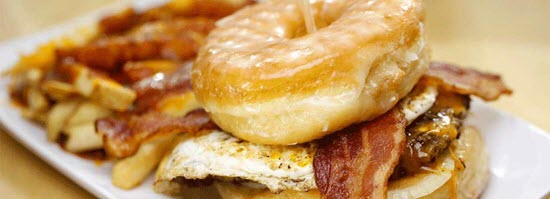
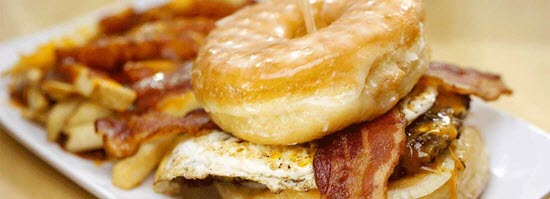
Not every binge eater has binge-eating disorder (BED). But even those who binge less frequently than people with BED, or on less food, may struggle to control their eating.
That can be especially true when holiday treats — and holiday stresses — are all around us.
My PhD research was on women with BED. Before that, I ran a class for women who didn’t have BED but still binged at times. They were longing to change their eating behaviors. The class was called Food & Eating Recovery.
This post is on how binge eaters handle cravings. You may wish to pass this along to any class participants who have told you they have trouble controlling their food.
Binges and Cravings Were Familiar To Me
If you’ve read my book Stronger Than Sugar — or if you read my articles regularly — you already know that I’m a recovered sugar addict. In the bad old days, I did plenty of sugar-triggered bingeing.
I’ve also resisted many cravings. They showed up frequently. I wanted sugar almost all the time back then, but was able to resist most of the cravings for most of the day. (But not all days.) No doubt that helped me limit the number of my binges.
My dissertation included lots of evidence that eating sugar triggers binges. That was certainly true for the group that did not eliminate sugar during the 8 weeks of the study.
What I Learned Was New To Me
When the topic of cravings came up in the F&E Recovery class, we talked about resisting cravings. I figured everyone would relate to that behavior because they’d done it, too.
Was I wrong!
Most of the women in the class looked at me as if I were speaking Klingon. So eating behaviors were different in this group of bingers.
Instead, the notion of ignoring a craving seemed to be foreign to them. When they craved a specific food, they ate it — or as close as they could get to it at the time.
Did That Affect Their Weight and Health?
It did. As you might imagine, the women in the F&E Recovery class who gave in to all their cravings were more likely to be overweight. In many cases, they were obese and had metabolic conditions or other health issues.
As my research showed, sugar has a lot to do with both weight and health.
Regarding weight, the vast majority of cravings were for sugary foods. The sugary foods the women ate when they craved sugar were typically also high in fat.
Why? Studies of “sweetness ratings” show that fat makes sugar taste sweeter. That may be one reason that a craving for sugar will lead to ice cream or brownies, rather than a roll of Lifesavers.
Of course, the fat added extra calories. But that wasn’t all.
Besides the calories, sugar triggers the release of a brain chemical — endorphin — that increases appetite. So giving in to a craving was likely to result in a high-calorie episode for the participants.
Sometimes — and for some of the women, often — it was a full-fledged binge.
Because sugar’s so addictive, many women in the F&E Recovery class were hooked on it. When they tried to go without it, they’d have more cravings. And, not surprisingly, more sugar, more fat, and/or more binges.
What’s the Best Way To Handle Cravings?
If you’re tough enough to resist, you might try doing that — as often and for as much of the day as you can. It can help with weight control and health.
But that may not work for you. I’ve previously posted an effective, short-term solution for cravings: liquid B-complex. (Please check with your doctor before trying this.)
For a long-term solution to cravings — in other words, eliminating your cravings completely — a change in diet is probably the answer. I can help you make that easy. Just visit www.FoodAddictionSolutions.com/Coaching and request your free Eating Empowerment call. Find out how simple it can be — and how great you can feel — once you’re free of cravings and completely in control of your food and eating.

by Joan Kent | Oct 17, 2016 | Health and Wellness

One thing I probably don’t write about enough is dehydration and the problems it causes. Dehydration can start with a drop of as little as 1.5% of the body’s water. The average level is around 60%.
One of many problems dehydration can cause is craving for sugar. This post is about how that happens.
Did Our Ancestors Crave Sugar When Thirsty?
When our bodies need water, it does make sense that we may feel an urge to seek food. I used to interpret that as a lack of awareness some of my clients had of the difference between thirst and hunger.
But there’s an evolutionary basis for it.
In the hunter/gatherer days, water wasn’t always readily available. The search for food to supply water and quench thirst was logical. The vegetables or fruits that were so often eaten were high in water content.
Obviously, food options have changed dramatically over many centuries, but the urge to seek food when we’re thirsty may still be with us. Dehydration activates both hunger and thirst centers in the brain’s hypothalamus.
The inability to distinguish between thirst and hunger may still indicate a lack of awareness. But there are a few other reasons dehydration may trigger sugar cravings.
What Workouts Can Do
Post-exercise, dehydration often occurs. If the workout is long enough to continue past the onset of dehydration, the body’s use of glycogen — carbohydrate stored in muscle — speeds up and reduces stored glycogen levels more rapidly. That makes a post-workout craving for carbs more likely, since carbs are used to create glycogen. The carbs we crave will often be for sugar.
In my experience, clients frequently crave fruit after a workout. That may reflect the evolutionary drive to obtain water from food.
Yet bananas are the most popular post-exercise fresh fruit choice I’ve observed — even though they contain less water (74%) than other fruits like watermelon, strawberries, grapefruit, cantaloupe (over 90%) or peaches, pineapple, raspberries and oranges (all around 88%).
So choosing a banana after a workout doesn’t seem to mesh with the “water seeking” hypothesis.
Bananas are, however, relatively high in sugar (18g per cup), compared with many other fresh fruits that contain more water. The choice seems to be less about water and more about sugar.
As an aside, fruit is usually seen as healthful but can be addictive for those who are carb- and/or sugar-sensitive. More importantly in this context, fruit is absolutely not the best fuel for recovery after a workout, as I’ve covered in previous posts.
Speaking of Fuel…
Dehydration can make it difficult for the liver, which uses water, to release glycogen and other components of stored energy. That can lead to food cravings, according to John Higgins, M.D., associate professor of cardiovascular medicine at the University of Texas in Houston and the chief of cardiology at Lyndon B. Johnson General Hospital.
Cravings for sweet foods are common at such times because the process of glycogen production involves water and glucose, the body’s circulating sugar. Dehydration makes it more difficult for the body to produce glycogen.
There’s Also Serotonin
Dehydration interferes with brain levels of serotonin. That can result in a lack of satiety — the feeling we’ve had enough food and don’t need to start a new meal for a while.
Low serotonin levels can trigger the desire to eat more, and also bring on food cravings, typically for carbs like sugar. It may even make us more impulsive, so the cravings become more difficult to resist.
Why Else Is Hydration Important?
Dehydration isn’t just about sugar cravings. Many other reasons exist to stay hydrated. These include fatigue; dry mouth and bad breath; decreased mental performance; decreased athletic performance and an increase in perceived exertion; dry skin and loss of skin elasticity; constipation; irritability and other “off” moods; headaches; muscle cramps; dizziness; and fever or chills.
In one study in Physiology and Behavior, the number of driving errors doubled during a 2-hour drive when drivers were dehydrated.
A going rule for water consumption is to divide your body weight in pounds by 2. That gives you the number of ounces of water to drink to stay optimally hydrated. By this rule, a 160-lb person would need to drink 80 ounces of water, or ten 8-ounce glasses of water per day. At the very least, gauge your urine color. It should be very pale yellow, even clear.
Don’t forget to figure in water losses for sweaty workouts and any dehydrating beverages you may drink, like coffee or cola. A tough cycling class, for example, may result in sweat losses of 1 to 2 quarts of water. Compensate by drinking more water.
Stay hydrated and healthy — and see if your cravings for sugar diminish.
by Joan Kent | Sep 28, 2016 | Health and Wellness
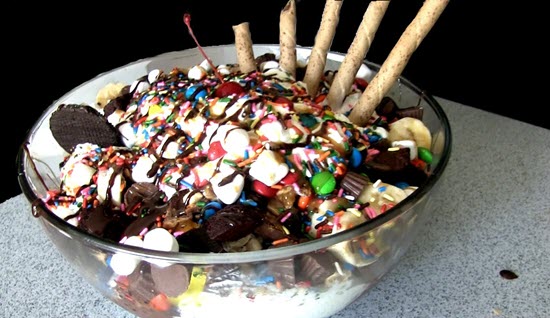
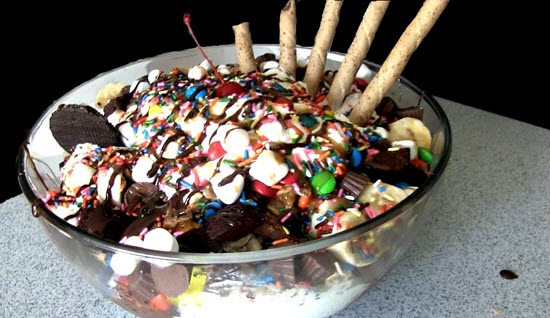
Binge eating is legal, of course, and fairly common. It also appears to be a victimless crime. Who cares if you eat 3 quarts of mashed potatoes, or finish off a few pints of ice cream?
But what if we view the victim concept more broadly?
Health
Not many people binge on broccoli or kale. When someone binges, it’s usually on junk that can affect health negatively.
In general, binge trigger foods are known to be high in sugar, fat, or both. The most common binge foods include ice cream, cookies, chocolate, milkshakes, chips, pasta, and bread with butter and jam.
Most of these foods trigger high levels of insulin. That high insulin will result in a short-term increase in serotonin. That’s one reason we choose these foods for bingeing. But we’ll look at serotonin and other brain chemicals later.
Over time, high insulin can cause a variety of health-related problems: insulin resistance; type-2 diabetes; hypertension; high LDL (bad) cholesterol; low HDL (good) cholesterol; high triglycerides; heart disease; certain cancers; formation of series 2 prostaglandins, which trigger inflammation, pain and more; and inhibition of white blood cell function, leading to incomplete healing and chronic inflammation.
Because of food selection, quantities eaten, and the frequency of binges, the long-term health effects of binge eating shouldn’t be dismissed. The conditions may affect work attendance and productivity, and add costs for the companies that provide medical insurance for their employees.
Appetite and Weight
Sugar triggers a release of dopamine. Dopamine, a brain feel-good chemical, can prompt cravings for more sugar — perhaps later the same day, the next day, or even for several days following.
Sugar also triggers endorphins (beta-endorphin). Endorphin increases appetite by inhibiting the satiety function of the VMH (the ventromedial hypothalamus).
Obesity is more than a possible result of this specific effect of sugar on the brain; it’s real and epidemic. The obesity epidemic was brought to us courtesy of the sneaky, underhanded dealings of the sugar industry that started in the 1970s (or before) and continued for a few decades.
Dopamine and endorphins change food preferences in the direction of foods high in sugar, fat, or both. That further contributes to obesity.
Obesity itself has health consequences, many of which are in the list above. Sleep apnea, asthma, osteoarthritis, gallbladder disease, stroke, gout, depression and other mental issues can be added to the list.
These health problems may affect work productivity, and someone pays for medical costs linked with the problems, so again bingeing is not without consequences.
Moods and Behaviors
Bingeing on sugary foods can wreak havoc on mood. Moods can go up and down — and include irritability when glucose drops after the initial temporary boost.
Clients have told me that they’ve snapped at coworkers, their kids, their spouse, or a waiter. They’ve said, “I always promise myself I won’t do it, but then I do.”
It doesn’t benefit their personal or business relationships to have moods that are erratic, or to be irritable and impatient.
For that matter, some of my clients promise themselves they’ll stay away from a particular food, only to end up eating it.
Anytime our behavior is a mystery to us, it always has a neurochemical origin — and the foods people tend to binge on are big brain chemical changers.
It has been postulated that the biological need for serotonin underlies binge eating. Serotonin has been called — somewhat mistakenly — a happiness chemical. What serotonin actually does is lead to more of a lethargic state, which I believe is what binge eaters may be looking for, rather than happiness.
Serotonin opens the space, so to speak, between thought and action, making them less reactive to the stress around them. You might think of it as a serotonin coma: they’ve had a tough day at work, the kids are crying, the phone’s ringing, the dog is barking, but they feel almost distant from it.
Animals Do It and So Do People
Back in 1983, E.M. Stricker wrote, “Animals eat not for nutrition per se, but for optimal arousal.” The arousal Stricker referred to comes from the changes in brain chemistry that certain foods promote.
People do the same thing.
Binge eating is not a victimless crime. Health, appetite, food preferences, and weight may seem to affect only the binge eater. As suggested above, though, those can affect others through the health problems they cause and the costs to businesses in lost productivity and medical charges.
And because moods and behaviors are affected by the most common binge foods, we could say binge eating makes families, friends and coworkers the victims.
Most importantly, of course, binge eating and its effects on health, weight and mood make the binge eater the primary victim. Along with everything described above, there’s the “inner” effect. Binge eaters often experience shame and guilt that affect their self-esteem. Bingeing is typically done alone, and binge eaters worry about being caught.
The neurochemical piece is something I contribute to help binge eaters stop being the victims of their own eating behaviors and start feeling great.
Sometimes binge eaters who’ve tried everything to stop bingeing can’t stop because of cravings. I help them stop cravings and bingeing, so they can lose weight and reverse their health problems. For a free copy of “Stop Bingeing NOW! 3 Simple Steps For Stopping a Binge Once It Starts,” please visit www.LastResortNutrition.com
