
by Joan Kent | Aug 10, 2015 | Engage Your Students, Health and Wellness, Instructor Resources

During an office-clearing project, I found an article I wrote years ago about a book by Hirschman and Munter. They advocate 3 rules for approaching food whenever you feel like eating.[wlm_private ‘PRO-Platinum|PRO-Monthly|PRO-Gratis|PRO-Seasonal|Platinum-trial|Monthly-trial|PRO-Military|30-Days-of-PRO|90 Day PRO|Stages-Instructor|Schwinn-Instructor|Instructor-Bonus|28 Day Challenge']
Rule 1: Ask yourself if you’re hungry.
The purpose of food is to fuel us when our bodies need it. That’s signaled by physical hunger. Asking this question over and over reinforces the critical connection between hunger and eating.
Rule 2: Ask yourself what you’re hungry for, what you feel like eating.
The idea is to tune in to what your body is telling you. This assumes that the body will know what it needs nutritionally. You can then choose in accordance with that.
Rule 3: Stop eating when you’ve had enough.
This also involves tuning in to what your body is telling you and recognizing the feeling of “comfortable fullness” as the right amount of food.
Take it from a sugar addiction expert: these 3 rules could easily backfire when it comes to sugar.
Why Don’t They Work When Sugar’s Involved?
First, clients who eat sugar frequently may not get hungry. As explained in a previous post, my research hasn’t yet uncovered a solid explanation for exactly why that is. Still, too many clients have described this phenomenon for me to think it’s not real.
These clients may even get symptoms (headaches, queasiness, and so on) instead of physical hunger. The symptoms can typically be traced back to low glucose.
Second, it’s not surprising that someone who’s hooked on sugar feels like eating sugar. Frequently.
How can it be helpful to tell someone who’s going through sugar withdrawal — which may include cravings — to tune in to the body and eat what she/he wants?
Third, the comfort stopping point works well only for those who tend to eat to fuel.
It’s not always easy to stop eating sugar at the comfort point if (and when) the client’s “relationship” with sugary foods is based on satisfying a craving or an addictive urge.
Athletic Training Theories Apply To Sugar Addiction?
From my coach, I learned that the purpose of training is to bring consciousness to the process.
When athletes talked about the pain of athletic training, the coach would say that pain stimulates resistance. But through continued training — and by adding consciousness to it — our response to pain changes. We become nonreactive to it.
It doesn’t feel any better, he’d say. It just doesn’t bother us as much.
Once you remove an addictive substance, like sugar, from the diet, the body may start to display different signals. Hunger pangs may return — or show up for the first time — reflecting the body’s needs. Control over food may increase. Appetite may decrease. Awareness may increase and unconscious reactions decrease.
Significantly, over time, we become less and less reactive to external sugar triggers.
The triggers might include the sight of appetizing foods, the delicious smell of baking cookies — or even sounds that bring on cravings. For example, someone fond of candy might have been triggered in the past by the sound of someone unwrapping a candy bar. Once they’ve been “off” sugar for a while, that sound could become less automatic in triggering the desire to eat candy.
It’s not that the foods lose their appeal; it’s just that they bother us less.
These changes may take time, but staying off sugar long-term could be considered continued, long-term training.[/wlm_private]
[Part 2 will cover athletics and sugar addiction.]

by Joan Kent | Aug 3, 2015 | Engage Your Students, Health and Wellness

Is Your Diet Too Low In Fats?
Healthful omega-3 fats are found in such foods as fatty fish, flaxseed oil, walnuts and walnut oil, and leafy green vegetables. Other top sources of fats include raw coconut oil, avocado, olive oil, nuts and seeds. With nuts and seeds, raw is better than roasted.[wlm_private ‘PRO-Platinum|PRO-Monthly|PRO-Gratis|PRO-Seasonal|Platinum-trial|Monthly-trial|PRO-Military|30-Days-of-PRO|90 Day PRO|Stages-Instructor|Schwinn-Instructor|Instructor-Bonus|28 Day Challenge']
Higher intake of omega-3 fats may be associated with decreased incidence of depression, anxiety, and bipolar disorders. A diet lacking omega-3s may result in cognitive or behavioral problems, or such conditions as dementia, schizophrenia and more.
High triglycerides (blood fats) have been shown to be associated with depression, aggression and hostility. Omega-3 fatty acids may play a role in preventing high triglyceride levels.
As an additional benefit, fats can increase satiety. When fats (or proteins) first enter the small intestine, they trigger the release of a hormone known as CCK (cholecystokinin), which produces satiety, the feeling that we’ve had enough food. Interestingly, CCK cuts down our carb consumption and carb cravings specifically. A diet too low in fats can thus result in cravings and overeating.
For all of these reasons, it’s good to eat some healthful fats with your meals.
Do You Often Eat the Wrong Carbs?
Lets start with leafy green vegetables. Do you eat enough of them? Enough would be 3 to 5 cups per day, every day. But how do vegetables affect your mood?
Leafy vegetables contain folate. A diet that’s deficient in folate can result in low serotonin production, which in turn can cause possible depression. Build big salads from a variety of “serious” greens (kale, spinach, arugula, chard and more). Not iceberg lettuce! Eat these serious salads every day. (And other vegetables, too.)
On the other hand, a diet too high in the wrong carbs — meaning starchy or sweet carbs — will trigger high levels of insulin. Some people, called carbohydrate sensitive, release extra insulin when they eat these types of carbs. That can actually change the neurochemical balance of the brain.
To give just one example, a high-carb diet can make you insulin resistant. This is not always recognized. We typically hear that insulin resistance is a result of overweight — but it can also be caused by diet.
Insulin action is necessary for the production of serotonin. So insulin resistance could cut down on serotonin production, leading to depression or other dysphoric (rotten) moods.
When you eat carbohydrates, emphasize vegetables, lentils, beans, rice, or root vegetables — such as yams, turnips or parsnips. These would be more desirable than always turning to pastas and breads, which may trigger more insulin. Research has shown that, in general, wheat tends to trigger higher levels of insulin resistance than other starchy carbs.
And always keep your intake of sugar to a minimum — or eliminate it altogether.
Do You Drink Alcohol Regularly or Frequently?
Regular use of alcohol may either cause, or exaggerate, low brain levels of serotonin. Alcohol can do that in a couple of ways. One is by causing malabsorption of folate. Another is by actively destroying vitamin B6.
As explained above, folate and B6 are both necessary for serotonin production. Also stated above, B6 is necessary for production of norepinephrine and dopamine, as well.
So drinking alcohol frequently can result in depression and other mood disorders, resulting from low levels of these 3 important brain chemicals.
In addition, alcohol use can cause reactive hypoglycemia, a condition of low blood glucose following the consumption of alcohol. Reactive hypoglycemia results from the high insulin levels triggered by alcohol. High insulin may then cause glucose to drop — quickly and quite low.
Reactive hypoglycemia is associated with various mood-state disorders, such as depression, irritability, outbursts, or temper tantrums. If you want to keep your moods even, whenever you drink alcohol, do so in moderation.
Finally, low serotonin is often associated with cravings, especially for carbohydrate foods. To help keep serotonin levels adequate, limit alcohol consumption. Drink less often or have fewer drinks when you do drink.
There’s much more we could say about bad moods and foods. For example, bad moods can bring on cravings, typically for carbohydrates — and not the good kind. PMS or stress can also bring on cravings. But what causes cravings is a topic for another post.
Sticking with the current topic, if your diet tends to be high in white flour or sugar, or if it tends to be low in protein, good fats, complex starches, or veggies — or if you drink alcohol frequently — please try these general guidelines:
– Eat lean protein throughout the day. Lean protein would include fish, shrimp, eggs, chicken, or unsweetened protein powder.
– At lunchtime, avoid or limit starchy or sweet carbs.
– Eat plenty of vegetables, especially leafy greens, throughout the day.
– Whenever possible, select complex carbs — such as quinoa, lentils, turnips, squash — rather than white flour products.
– Include some healthful fats in each of your meals or snacks.
– Limit your alcohol consumption.
These general guidelines may help you improve your mood and increase your energy levels — whatever you may be doing throughout your day or week.[/wlm_private]
You may also find that your food cravings will diminish and — along with them — the urge to overeat!
by Joan Kent | Jul 27, 2015 | Health and Wellness

As you may know, moods can affect our appetites and our food selection. People often eat for emotional reasons, based on their moods.
What’s helpful to know is that the reverse can also be true. What we eat — and when we eat it — can affect our moods, our minds, and our ability to work productively all day, sleep soundly at night, and more.
The foods we eat can cause such low mood states as depression, irritability or anxiety. Diet can also exaggerate our tendency to experience those moods.
Much of that occurs through the action of neurochemicals — chemicals in the brain that transmit information. As you read through this, keep in mind whether your diet may be preventing you from feeling as good as you could.
Do You Feel “Down” After Your Lunch?
If afternoons are tough for you, you might be eating too many starchy or sweet carbs at lunchtime. Some people experience that reaction to carbs more strongly than others.
Protein foods trigger the production of the brain chemicals dopamine and norepinephrine, which will keep you awake, alert and feeling good.
A meal of pasta, on the other hand — either with or without bread — can raise insulin levels significantly. The rise in insulin allows tryptophan, an amino acid, to reach the brain.
Once tryptophan gets to the brain, it’s used to make serotonin. Serotonin is a brain chemical that makes us feel relaxed and calm. High levels of serotonin, though, can cause lethargy, sleepiness, and, in some people, a “down” or depressed mood.
Vegetables don’t raise insulin, so they don’t trigger serotonin and won’t bring you down. That makes them an excellent lunchtime food if you need to stay focused and positive, and work through the afternoon and early evening.
A good solution might be to eat a high-protein, low-carb lunch, such as chicken and salad — and go easy on the breadsticks, baked potato, or other starchy carbs.
Skipping sugary desserts is another way to keep yourself feeling alert and positive after lunch — or after any meal.
This alternative approach to your mid-day meal should help you stay awake, “even” and productive for the rest of your working day.
Is Your Diet Too Low In Protein?
If your moods tend to be low in general, if you feel sleepy often, or if you have strong cravings for carbs, it’s possible that your diet is too low in protein.
Protein is made of amino acids. We learned about them in basic biology as the “building blocks” of protein. The amino acid tyrosine is what the brain uses to make two chemicals — norepinephrine and dopamine. Low levels of norepinephrine can lead to depression, and low levels of dopamine can lead to the “blahs.”
Tryptophan, used to make serotonin, is also an amino acid, so it too comes from protein. Studies have shown that diets low in tryptophan can trigger depressive symptoms in susceptible people.
This doesn’t contradict the first point about how a high-carb lunch can trigger sleepiness or a down mood. Carbs — and specifically the insulin they trigger — are involved in transporting tryptophan to the brain.
But tryptophan itself comes from protein, so we need to eat adequate protein throughout the day to make sure we can make serotonin when we want and need it.
Finally, protein foods contain vitamin B6 (along with other B vitamins). B6 is necessary for the proper production and release of serotonin, dopamine and norepinephrine.
Low levels of those 3 brain chemicals could result in depression or other mood issues. To repeat the suggestion above, make sure to eat lean protein (fish, chicken, shrimp, for example, or even protein powder) with your meals and snacks throughout the day.
[Part 2 will cover more ways foods may affect your moods.]

by Joan Kent | Jul 21, 2015 | Engage Your Students, Health and Wellness

Part 1 covered getting participants to stop eating foods they hate and also avoid stress-driven, high-calorie blowouts or using food as entertainment.
Here are two more things you might wish your participants would stop.[wlm_private ‘PRO-Platinum|PRO-Monthly|PRO-Gratis|PRO-Seasonal|Platinum-trial|Monthly-trial|PRO-Military|30-Days-of-PRO|90 Day PRO|Stages-Instructor|Schwinn-Instructor|Instructor-Bonus|28 Day Challenge']
Thinking Only About Calories, Not Food Quality
I don’t think food (or weight) is only about calories in/calories out. I’ve even written articles and a book chapter on it because it’s an important subject — one that has raised angry reactions.
Some nutritionists and dietitians do think that a calorie is a calorie is a calorie.
As the lead nutritionist in a weight-loss program, I worked with a registered dietitian. One participant had typed “HELP!” next to the brownie listed in her food log.
Here was the dietitian’s reply: “This is only X calories, so I’m not worried about it.”
The dietitian didn’t seem to realize that the brownie might have consequences. My specialty — psychoactive nutrition — keeps me aware of those consequences. They might include increased appetite, the onset of cravings, or bingeing — any of which could last for several days.
The dietitian also seemed unaware that the brownie might have been a result of something the participant had eaten earlier that day or the day before.
Or that “HELP!” revealed the lack of control the participant was experiencing.
I have never told a client that all calories are equal — or that it’s okay to eat a certain amount of sugar if you stay within your calorie limits. When you recognize sugar as a psychoactive drug, calories are less important than that.
And this isn’t just about sugar. Even though we now know that saturated fats aren’t as bad as we were told, most of my clients do realize that fried pork rinds are not a healthful option in a daily food plan. Some foods we should just avoid.
At a recent presentation, a man asked about a non-caloric butter replacement. He started using it to save calories, but the junky chemicals in it made it a poor substitute. Coconut oil, raw almond butter, even butter would be better. They have calories but also offer nutrition benefits.
Thinking about calories alone leads to eating without focus or mindful attention.
Cleaning the House Before Housekeeping Gets There
This is something my clients do frequently. I suppose they expect me to reprimand them for the “bad” stuff they’ve been eating. (That never happens!)
They cancel, then reschedule appointments for later on, so they can get themselves together to eat well for a week or so — and keep a food log that shows how well they’re doing.
I’ve also had clients cancel follow-up appointments. Follow-ups are arguably the most important appointments. They give us a chance to discuss what has been working and what hasn’t.
The clients reschedule because they weren’t implementing the first appointment recommendations.
Yet the reasons they’re not implementing could reveal the moments that throw them off-track. Postponing till they’re sure they’ll get a gold star misses those valuable discovery points.
And occasionally, unfortunately, I never hear from them, even though they’ve already paid for their follow-up appointment — and have serious health problems that I specialize in and have studied in depth.
A final issue might be “too many cooks.” A new client came in after meeting with her physical therapist. She presented a week’s worth of food logs, based on her PT’s recommendations. She had already “cleaned house.”
My review of her logs indicated that this woman needed to make several nutrition changes. She was reluctant to do so, though, because the PT had suggested something else.
When it comes to nutrition, your cycling participants are free to do whatever they choose. They can wing it. They can follow steps they’ve found on websites — there’s more nutrition stuff online now than ever before.
They can combine different plans and follow a Paleo diet 2 days a week, the Mediterranean Diet on 2 different days, a vegan diet for 2 days, and a pepperoni pizza and beer binge the last day. Whatever they want.
But they might be eating too much of some things and too little of others, missing vital nutrients. They might skip over key brain chemical info that could make life easier if they knew it. They might find their appetite out of control and not know why. They might have intense cravings and not know why.[/wlm_private]
Food isn't as casual as we sometimes assume it is. You probably wish your participants would stop treating it as if it were. I know I do.
by Joan Kent | Jul 13, 2015 | Engage Your Students, Health and Wellness, Master Instructor Blog

Most IC instructors have the client’s best interest at heart. We may not all agree on every point, but we do want our participants to do well, get the results they seek, and feel great. That probably goes not just for how they work out, but for what they eat, as well.
It’s a safe guess that most instructors wouldn’t mind at all if their class participants stopped doing the following things — immediately and forever.[wlm_private ‘PRO-Platinum|PRO-Monthly|PRO-Gratis|PRO-Seasonal|Platinum-trial|Monthly-trial|PRO-Military|30-Days-of-PRO|90 Day PRO|Stages-Instructor|Schwinn-Instructor|Instructor-Bonus|28 Day Challenge']
1. Eating “Good For You” Foods They Hate
The feeling of deprivation can make us do strange things with food. Feeling deprived can result from eating so little food that they’re always hungry, always thinking about food, always ready to gnaw the legs off the furniture.
We know it’s a binge waiting to happen. But there’s more to it.
Several years ago, during an appointment, a frustrated client stomped her foot at me and demanded, “Joan, do you ever enjoy eating?!”
My answer was an enthusiastic, “Yes, of course.” It’s true that we might need to give up certain foods — including some of our favorites — to get the results we want.
But let’s look at the good news. There are always foods we can and do enjoy that will fit into our food plan — even if we stop eating sugar, for example. Plenty of delicious foods are out there that don’t contain sugar.
The main point of this, however, is to get your participants to avoid eating foods they hate. Please. They shouldn’t eat them because they heard how “healthy” they are. They shouldn’t eat them because they read about the antioxidants they contain.
They shouldn’t keep eating them because they’re worried about their health. Chances are you can find a different food for them that contains the same healthful nutrients as that hated food. In a food they won’t hate.
Most importantly, if they don’t like what they’re eating, they’ll feel deprived — as surely as if they were skimping on quantities and semi-starving throughout the day.
Eating foods they hate is just another binge waiting to happen.
2. Using Food As Their Entertainment Or Reward
How do we use food for entertainment or reward? We eat when we’re bored. We eat to procrastinate on that work project we dread starting. We eat to take a break from that work project we started but aren’t enjoying. We eat because we got through a killer cycling class that morning. We eat because we had a great day. We eat to celebrate hitting our weight loss goal that week.
Feel free to fill in other favorite entertainment or reward uses of food.
In the early days of an athletic training program for which I was the nutritionist, a participant refused to follow the nutrition guidelines for the program. Her rationale was simple: She worked out hard and was entitled to eat whatever foods she wanted. Who could argue with that? We all get to make our own decisions.
When her training coach took weight and measurements at the end of the program, though, it was disappointing for her. Hers had all increased. It was a shame, too, because she probably would have performed better athletically if she had followed the food plan.
It seems unusual that we’d eat more food — or eat junk — when things go well. But, to use just one example, endorphins (beta-endorphin) may be released when mood is “up” and positive.
Beta-endorphin affects the brain’s satiety center. It makes us want to eat more. It doesn’t matter whether the original trigger was positive or negative.
When we’re ‘up,’ it’s not surprising that we want more of that up feeling. And we may end up eating foods that trigger the release of more endorphins.
More sugar, please.
3. Using Food As Their Primary Stress Reliever
What does it look like when we eat to relieve stress? We eat when we’re frustrated. We eat at the end of a bad day. We eat in the middle of the bad day. We’re much more likely to go for junk food when we’re stressed.
Eating when we’re stressed might seem like a minor issue, but any stressed-out moment is a bad time to eat. The digestive system basically shuts down — reduced production of saliva, lack of peristaltic contractions throughout the digestive tract, and other stress changes. It all means the body isn’t ready for food.
Because foods change brain chemistry, they can change our mental/emotional state. When our moods are low, it’s almost an instinct to look for something that will lift us out of that low mood state.
Even animals do it. Researchers have said that animals don’t eat for calories or nutrition per se, but for “optimal arousal.”
That’s why food choices when we’re stressed go in the direction of big brain-chem changes. Sugar is often used as a stress reliever because it triggers changes in brain chemicals that are felt readily.
But other comfort foods are used — frequently in large quantities: mashed potatoes, mac & cheese, spaghetti, biscuits, grilled cheese sandwiches, chips.
If your participant’s favorite comfort food isn’t on this list, it’s probably still a state-changer.
State changing is the key. They won’t binge on broccoli when they’re stressed — unless it’s smothered in cheese or sauce. That’s because broccoli doesn’t change brain chem, but those toppings will.
You’d probably prefer that they avoid these stress-driven, high-calorie blowouts.[/wlm_private]
by Joan Kent | Jun 22, 2015 | Health and Wellness, Instructor Training
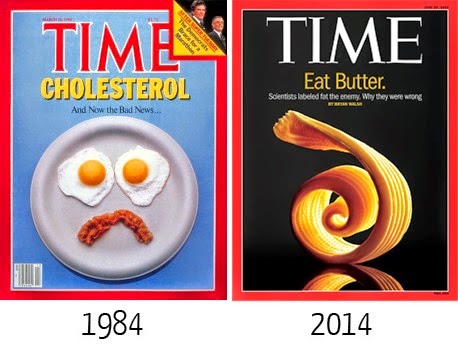
The last post covered the sugar industry’s push to demonize fats and take the heat off sugar. Unfortunately, it was successful. Here’s what happened next.
Recommendations for increased carbs came from everywhere — including the 1991 Food Guide Pyramid. The bottom tier called for 6 to 11 servings of grains.
The Pritikin Wellness Center suggested diets of 7% protein and under 10% fat, leaving 83% or more in carbs.
My clients’ food logs showed that the carbs they ate instead of fats and proteins were not vegetables, legumes, or root vegetables, but sugars and refined-flour products.
During the low-fat craze, consumption of sugar soared. From 1984 to 1997, the increase in sugar consumption — not total consumption, just the increase during those 13 years — was 25 pounds per person per year.
This increase may have been due partly to a phenomenon known as the sugar/fat seesaw: as one drops in the diet, the other goes up. When everyone went low-fat, the decrease in fat intake was met by a huge increase in sugar.
The sugar/fat seesaw is acknowledged in science journals but not explained. In my 1999 dissertation, I outlined a hormonal and neurochemical explanation for it.
During the low-fat craze, consumption of artificial sweeteners and high-fructose corn syrup rose, based on USDA figures. In 1996, the Nutrition Action HealthLetter reported that US sugar consumption had risen again for the 10th consecutive year.
In addition — and it didn’t surprise me — obesity in the US became epidemic. The CDC reported that, after 20 years at 25% of the population, the number of overweight Americans increased to 33% in the 1980s. Investigators from the Minnesota Heart Health Program couldn’t explain the increase with data on dietary fat.
But they hadn’t yet realized that they should investigate sugar. As in the 1970s.
Clearly, increased sugar consumption benefited the sugar industry. The obesity epidemic was an unfortunate consequence of their profit-grabbing strategies.
Low Fat Fitness Pros See the Light
At first, the fitness industry jumped on the low-fat train, and I got trapped on it. Throughout the industry, weight-loss guidelines for clients reflected the low-fat dogma. At fitness conferences, attendee goody bags were filled with low-fat, high-sugar “energy bars” and more.
In the early 1990s, I made a presentation to fitness professionals on health problems associated with sugar intake. An angry woman stood up and shouted, “I have the same degree you do” — we both had master’s degrees in exercise physiology — “and you don’t know what you’re talking about!”
In 1995, I was invited to a fitness conference to participate in a panel discussion called “To Eat Carbs or Not To Eat Carbs”. The ‘panel’ included two people: a Pritikin Center researcher and me. It was structured as a debate — and someone definitely wanted me to lose.
I was kept in the dark about things, but the Pritikin guy was in on the plot. He was also positioned to speak second so he could challenge my words with his low-fat Pritikin rhetoric.
Toward the late 1990s, a controversy raged. The fitness industry began to reflect some of the controversy. We saw fitness industry publications that warned against carb intake, followed closely by articles promoting “carb loading” prior to athletic events.
Only a few years after its 1995 pro-sugar supplement, the AJCN devoted an entire 1998 supplement to the role of fats and oils in the fight against obesity and metabolic complications. Several articles in it addressed the failure of low-fat diets to effect long-term weight reduction.
Now we’ve come full circle. People are finally realizing the many ways sugar and high-sugar foods impact our health — diabetes, high blood pressure, mood swings, out-of-control eating, and more.
Bonus Tip: Stay Aware, Cautious and Skeptical
Because more people know more about nutrition now than at any other time I can recall, I don’t think the sugar industry will be able to bamboozle us with talk of the dangers of fats. Too much recent research has shown the benefits of certain fats — and the relative harmlessness of the ones we were always told were bad.
Will the sugar industry give up? Don’t count on it. I fully expect to see a push for the benefits of “sneaky sugars,” the ones that people want to believe are good for them because they offer an excuse to eat sugar.
Those sneaky sugars will include products sweetened with “natural” fruit juice. Or the agave syrup we see everywhere these days. And probably new ones we haven’t seen yet. Are they — will they be — good for you? Please believe me when I say “No!”
What we’re told about nutrition in the US is often not what we should know or do, but what will benefit the various food industries.
Sugar sneaks into our foods and our meals in many ways. It can affect health, inflammation, metabolism, appetite, and moods. It can cause cravings and binge eating. It can affect autistic kids, as well as pregnant women and their babies.
Fructose is arguably the worst form of sugar — there are serious issues with it! Yet people are more reluctant to give up fruit than ever before — it’s the preferred form of sugar for people who want to believe their diets are healthy.
I’ve written book chapters on fruit as the “final frontier” in nutrition health. And it may be.
