
by Joan Kent | Oct 7, 2020 | Instructor Training

New Year’s Resolutions are upon us, but that doesn’t mean clear sailing. Things that can waylay resolutions are everywhere. Christmas candy will be on sale till early January, when the Valentine candy goes out and will be on display till February 14. February 15 it goes on sale. That brings us to March, when the Easter candy appears — even in years that Easter is late in April. And so on through the year.
Everyone offers tips for sticking to your resolutions. Ideas for quitting sugar, for example, may include (Don’t take notes here!) having fresh fruit instead of juice or dried fruit; flavoring plain yogurt with fruit or honey; using artificial sweeteners; switching to dark chocolate from milk chocolate; limiting sugar to desserts only; weaning yourself off desserts by reducing the weekly number; substituting wine or spirits for high-sugar mixed drinks.
Those tactics don’t — and can’t — work for those of us who have a sugar addiction. Here are a few suggestions — and some of them are just common sense.
1. Keep sugar and other junk food out of the house. Totally. Don’t buy it and tell yourself you won’t eat it. Don’t buy it and tell yourself you’ll have just a small portion. Don’t make your kitchen a binge blowout waiting to happen. Just don’t.
2. Stop putting your willpower to the test. I keep reading that we have only limited conscious self-control, limited willpower — and it certainly appears to be true. Instead, look for ways to change the situation. Ask the waiter to remove the breadbasket from the table. Don’t even ask for the dessert menu. Reread Suggestion 1. The fewer willpower tests you have each day, the fewer lapses you’ll experience later that day.
3. Train yourself to end a meal without dessert, no matter what time of day it is, no matter what everyone else is doing, no matter what others think, no matter what other say, no matter what habits you learned as a child. It takes practice, but it’s worth it.
4. Lie. (That’s fun to say because it grabs attention.) Don’t worry — I’m definitely not telling you to become untrustworthy and lie for no reason or about important matters.
But, seriously, sugar is a need-to-know issue. Does everyone at the dinner table need to know that you’re turning down dessert because you’re addicted to sugar? Or trying to lose weight? Both reasons will bring out every form of sabotage your “friends” can serve up:
“You’ll eat less tomorrow.”
“You’ll work out harder tomorrow.”
“Just a little can’t hurt.”
“But I made it myself.”
Harsh as it may seem, anyone who sabotages you is not a friend. If you have to pretend to want the food, claim to be full from the terrific dinner and ask for a doggie bag. On the way home, stop at the nearest trashcan and dump it. Don’t take it home and tell yourself you’ll make it last several days. Reread Suggestion 1.
5. That brings up another important point, covered in a previous post: Learn to throw away food, especially stuff that’s not really food, but junk. No compunctions here. The U.S. overproduces food significantly, and on a daily basis. Tossing the junk is survival, NOT a sin, as you may have been taught.
6. Little things add up. Focus on short-term actions — what you can do right now to avoid sugar. A recent study showed this approach — versus thinking about the long-term goal — was better for weight loss. It works for quitting sugar, too. Plan your next meal: how can you make it healthy? Buy nutritious foods when you shop. Develop an end-of-day ritual for the first 20 minutes after you arrive home to keep you out of the kitchen.
There won’t be any sugar in there, anyway, right?
As I’ve written in previous posts, motivation is not necessarily enthusiasm. It also tends to fade when daily life presents its daily challenges. But using these suggestions consistently can be transformational.
Enthusiasm is entirely optional. In fact, it’s often the result of consistent action.
Please feel free to share this article with riders and friends!
Originally posted 2014-12-29 09:20:32.
by Joey Stabile | Oct 17, 2018 | Engage Your Students, Health and Wellness, Strength Training

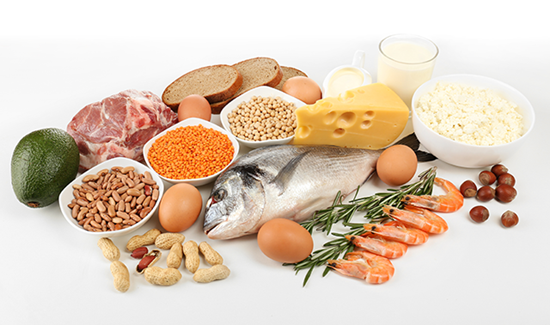
Protein Power: It’s Not Just for Muscles (Part 2 — Appetite Control)
By Joan Kent, PhD, and Shawn Bevington
Protein is used to make hormones, which are messengers in the body. They’re produced in one part of the body and then distributed — through blood, interstitial or other body fluid — to other organs or tissues. There they modify activity and function.
This brief post will focus on just a few hormones and how they affect appetite.
*CCK (Cholecystokinin) – Satiety is the feeling that you don’t need another meal because you’re still satisfied from the last one.
CCK is arguably the most powerful satiety hormone in the body. It reduces appetite by stimulating the function of the brain’s key satiety center, the VMH (ventromedial hypothalamus).
CCK is released when we eat protein and fats. It affects our food preferences by reducing the desire for carbs.
Anyone who suffers from an exaggerated desire for carbs probably needs to eat more protein. Vegans, for example, may experience strong cravings for carbs, including sugars. Finding a true protein source is a key factor in reducing vegans’ cravings. More on that in Part 3.
Eating adequate protein can also be key in conquering sugar addiction for this same reason.
*Ghrelin – Ghrelin increases appetite by stimulating the brain’s lateral hypothalamus. The LH can be seen as a ‘feeding’ center.
Eating protein can help to reduce ghrelin release. In healthy men, a high-protein breakfast decreased post-meal ghrelin levels more than a high-carb breakfast. The high-protein meal also slowed gastric emptying. Researchers attributed both effects to the secretion of CCK and glucagon, both triggered by protein.
*Glucagon – Glucagon is a hormone made in the pancreas. Insulin is, as well, but the functions of the two hormones are oppositional and work to balance glucose levels.
Insulin also tends to be a fat-storage hormone, while glucagon moves fats out of storage and into the blood stream so they can be utilized as fuel, rather than stored.
While many foods trigger the release of insulin, only protein foods trigger glucagon. Glucagon is also secreted when we exercise.
As mentioned above, glucagon and CCK seem to control appetite by modifying ghrelin levels.
Don’t miss protein and brain chemistry, age, and the vegan solution in Part 3, right here this week!
Shawn Bevington is a holistic health coach, certified by the National College of Exercise Professionals (NCEP). He has been a fitness trainer for six years, and boasts another seven years of activity in various programs, including football, shot-put, pro wrestling and other strenuous sports. Self-motivated, Shawn has spent years researching on his own – and putting that information into practice with his clients. His knowledge, skill and experience have made him a sought-after fitness trainer, both by clients and by colleagues who bring questions to him.
Dr. Joan Kent has a PhD in Psychoactive Nutrition. She was the first to document the brain chemical pathways of sugar addiction and to explain the sugar/fat seesaw hormonally and chemically. Joan has helped hundreds and hundreds of clients with metabolic conditions — diabetes, hypertension, heart disease, cancer — as well as clients with inflammation and mood disorders. Joan has written 2 best-selling books: Stronger Than Sugar, on conquering sugar addiction, and The Sugar-Free Workout, on fueling before, during and after training for optimal performance. Visit www.LastResortNutrition.com and grab your free gifts.
by Joan Kent | Jun 8, 2018 | Engage Your Students, Health and Wellness, Strength Training

Frequently, I recommend protein powder to supplement dietary protein, but my clients aren't always sure exactly what to do once they have it. That’s the topic of this post.
Why Protein Is Important
Protein has numerous functions in the body, starting with the obvious one that it can be converted to glucose for energy.
Because I’ve covered protein in previous posts, I’ll keep this part brief. Protein is used to form hormones, enzymes, blood, body tissue, hemoglobin, antibodies, transport proteins, and much more.
As protein enters the small intestine, it triggers CCK, a powerful satiety hormone. CCK curbs carb cravings significantly. People who don’t get adequate protein often have strong sugar cravings.
Protein provides the amino acid precursors for brain chemicals that have many functions. Those amino acids can, for example, raise dopamine and norepinephrine for alertness and improved mood. Eating sufficient protein can reduce the need for caffeine — which triggers the same brain chemicals. But while caffeine depletes those chemicals, protein increases their production.
Another example is tryptophan, used by the brain to make serotonin. Serotonin enhances satiety and mood.
And protein provides several B vitamins that act as catalysts in forming all three of the brain chemicals above.
Why Protein Powder?
I’m not suggesting that you give up real foods and use protein powder instead. But protein powder is convenient. It’s light and portable and needs no refrigeration. Here are some suggestions for specific situations.[wlm_private ‘PRO-Platinum|PRO-Monthly|PRO-Gratis|PRO-Seasonal|Platinum-trial|Monthly-trial|PRO-Military|30-Days-of-PRO|90 Day PRO|Stages-Instructor|Schwinn-Instructor|Instructor-Bonus|28 Day Challenge']
Vegetarians / Vegans
Powdered protein is great for those who don’t want to eat meat. For vegans, who don’t eat any animal products, vegetable protein powder might be the best way to get high-quality protein in the diet.
Please recall that non-animal sources of ‘protein’ often aren’t. Nuts are not protein; they’re unsaturated fat. Beans, rice and quinoa are definitely carbs.
Vegans often experience sugar cravings. Vegetable protein powder could be a top method for vegans to stop cravings long-term.
Post-Training Fuel
As detailed in a previous post, refueling within 30 minutes is ideal. The best post-training meal is a combination of carb and protein in about a 3-to-1 ratio (the original research used 2 to 1).
Powdered protein will keep in a gym locker and mix with water as part of a solid post-workout “meal.” Just add good starch. Potatoes are excellent after workouts; other starches work, too.
Travel
Travel is an obvious time for the convenience of protein powder. A couple of years ago, I attended a 5-day seminar in a remote area. We were told it would feature only vegetarian cuisine. I brought 15 envelopes of raw vegetable protein powder and mixed one with water at the start of each meal. With my protein needs taken care of, I could enjoy the meal with no problem.
Conquering Sugar Addiction
For reasons explained above, having protein throughout the day can help you end sugar addiction by changing brain chemistry and preventing sugar cravings. Many brands of protein powder are out there, so find one with no junk — especially no sugar.
Don’t make the same mistake as a client of mine who had a serious sugar addiction. Instead of buying plain, unsweetened powder and mixing it with water (per my instructions), she bought French Vanilla and mixed it with orange juice. “The protein drinks are delicious!” she told me, but her sugar cravings got worse.
“Delicious” is usually a telltale sugar sign. Unsweetened protein — whey, pea, vegetable, soy, other — plus water won’t be delicious but will be helpful.
On the Go
Away from the office and a snack room, it might be difficult to find protein if you can’t stop for a meal. Depending on the hours you’ll be in the field, protein powder may help. Carbs are easy; we can find salads and other carbs almost anywhere.
Plan B
As suggested in a previous post, leave an envelope or two of protein powder in your car for emergencies. Take care of the protein and the rest of the meal will fall in place.
So skip granola bars, “energy” bars, chocolate-hazelnut spread, electrolyte drinks. The main benefit of protein powder is it’s a true protein source when ordinary foods aren’t available.
[/wlm_private]
by Joan Kent | May 11, 2015 | Engage Your Students, Health and Wellness
Image credit jokeroo.com
Sleep difficulties can take several different forms. Let’s look at one.
If you have trouble falling asleep at night, one easy solution is to eat a small portion of carbohydrate, preferably starch, about an hour or so before bed. Starch examples include quinoa, potato, rice, sweet potato, pumpkin, oats, even pasta.
What Starches Do[wlm_private ‘PRO-Platinum|PRO-Monthly|PRO-Gratis|PRO-Seasonal|Platinum-trial|Monthly-trial|PRO-Military|30-Days-of-PRO|90 Day PRO|Stages-Instructor|Schwinn-Instructor|Instructor-Bonus|28 Day Challenge']
Starches stimulate insulin, and insulin allows a specific amino acid (tryptophan) to reach the brain. When tryptophan reaches the brain, it’s used to make serotonin.
Serotonin relaxes us and allows us to fall asleep. It’s also converted to melatonin, the sleep hormone. Melatonin has the additional benefit of anti-inflammatory action, which is one reason sleep is so good for us.
When Starch Doesn’t Work, Add Turkey
If you try starch and still can’t fall asleep, another suggestion is to start your pre-bed food ritual with a little bit of turkey, which contains a relatively high amount of tryptophan. Eating carb together with turkey will have the same effect that you may have experienced after a Thanksgiving dinner — feeling sleepy after the meal.
Although turkey is usually blamed for that sleepiness, the tryptophan wouldn’t reach the brain readily if we didn’t eat carbs with it. Several larger and more abundant amino acids compete with tryptophan for brain entry. In effect, they block tryptophan and prevent it from reaching the brain.
Those competing amino acids are used to form dopamine and norepinephrine, which make us alert.
How Carbs Help
When carbs trigger insulin release, the insulin transports amino acids throughout the body. They can then be used for the various functions that aminos are used for: formation of antibodies, hormones, receptor sites, enzymes, and more.
At that point, tryptophan — smaller in size and less plentiful — can reach the brain. It can then be converted to serotonin.
Why Starches? Why Not Sugar?
Some people tend to crave sugar before bed, but eating it can backfire for a couple of reasons.
Sugar triggers the release of endorphins and dopamine. As mentioned above, dopamine is a brain alertness chemical, so it could wake us up, rather than allowing us to fall asleep. Some people are more sensitive to the dopamine effect of sugar and might find themselves “wired” after eating sugar.
Starches, in contrast, tend to produce relaxation without that wired feeling.
Another Problem With Sugar
Another way sugar can backfire has to do with glucose. This could wake us up in the middle of the night.
Sugar tends to trigger high insulin secretion. That effect is much more pronounced in some people than in others. (Those people are called “carbohydrate sensitive”, but don’t be confused by the name. We’re still talking about sugar before bed, rather than starch.)
In someone who is sensitive to sugar in this way, the extra insulin might cause glucose levels to drop very low. It might seem as if the low glucose would make someone so tired that they’d stay asleep all night and even having trouble waking in the morning.
Instead, the drop in glucose tends to cause us to wake up in the middle of the night and have difficulty going back asleep, even if we feel tired.
So starch again seems to be a better solution.
Bottom line
Eat protein throughout the day, and eat less protein with your dinner. Eat a small portion of starch about an hour or so before bedtime. Add turkey if it doesn’t work. Avoid late-night sugar.[/wlm_private]
————————————————————————————-
Note from John: Last Thursday a participant asked me; “John, where do you find all of these helpful tidbits about eating? I'm a sugar addict like you (I share my own personal struggles with my class) and appreciate your helpful reminders.” I responded by telling her that Dr. Joan Kent, our resident nutritionist at my website ICI/PRO, publishes these weekly. I simply copy down a few notes or print the article and share the info during recoveries.
by Joan Kent | May 4, 2015 | Engage Your Students, Health and Wellness, Master Instructor Blog
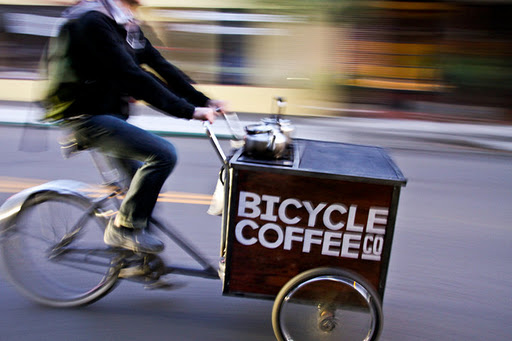
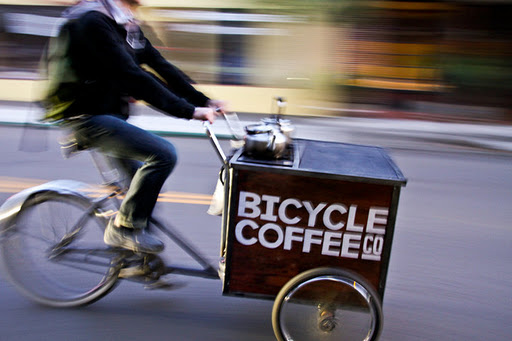
Caffeine is a drug that can be used in appropriate ways, so it has definite value. This post covers a few uses of caffeine.[wlm_private ‘PRO-Platinum|PRO-Monthly|PRO-Gratis|PRO-Seasonal|Platinum-trial|Monthly-trial|PRO-Military|30-Days-of-PRO|90 Day PRO|Stages-Instructor|Schwinn-Instructor|Instructor-Bonus|28 Day Challenge']
Ergogenic Aid
Much has been written about the ergogenic benefits of caffeine, particularly for endurance athletes, so it’s unnecessary to go into detail here.
Bottom line, caffeine can help athletes work harder and generate more power, often without feeling the extra effort. They may not even realize they’re putting out more effort, although the power increase could be as much as 3%.
It’s a good idea to get accustomed to caffeine in training before using it during a performance event, whatever that may be. My advice has always been, “No surprises on race day.”
Know how caffeine affects you and how much you can safely consume without upsetting your stomach or causing anxiety, irritability, high heart rate, or insomnia.
Brain Chem and Caffeine
When we drink coffee or tea, caffeine occupies the brain receptors that are normally occupied by adenosine. Adenosine inhibits the release of dopamine and norepinephrine — two brain alertness chemicals — to prevent an over-release of them.
When caffeine ‘takes over’ the adenosine receptor, adenosine can’t inhibit dopamine and norepinephrine, so those two chemicals are disinhibited. We feel alert and may notice improvements in memory, mood, energy, reaction time and general cognitive function.
Protein can also make us feel alert.
Why Do We Need Protein When We Can Just Drink Coffee?
The two mechanisms of action are completely different. While caffeine uses (and eventually depletes) stored brain levels of dopamine and norepinephrine, protein provides the amino acids that the brain uses to make more. The amino acids are tyrosine and phenylalanine.
If you haven’t been eating much protein for a while, you might find yourself drinking more coffee. Or you might discover that you get less effect from any caffeine you have because brain stores are already depleted.
On the other hand, if you systematically and consistently eat more protein foods, you might find you don’t need or want as much coffee or tea because your brain keeps making — and releasing — dopamine and norepinephrine.
(Sleep restores dopamine, too, but that’s a separate topic.)
Health Benefits of Coffee and Tea
Recent research has shown beneficial effects of coffee consumption. Coffee contains antioxidants and has been found to reduce the risk of type 2 diabetes, endometrial cancer, skin melanoma, multiple sclerosis, Alzheimer’s, and heart disease.
The benefits of green tea have long been known. It contains powerful antioxidants, can reduce anxiety, and can improve dental health. Like coffee, it may also reduce the risk of Alzheimer’s, type 2 diabetes, heart disease, certain cancers, and Parkinson’s.
Caffeine As a Pain Reliever
It’s less frequently mentioned, but relieving pain could be considered another benefit of caffeine. Norepinephrine and dopamine both trigger an analgesic effect. Plenty of potent pain-killing substances are available, but caffeine could be seen as a more natural pain reliever, especially in light of the health benefits listed above.
Unsweetened Is Better
Do I need to mention that sugar could reverse most of the beneficial effects covered in this post? Limit fancy coffees with exotic names. Sticking with the basics is a healthier choice.[/wlm_private]
