Dr Joan Kent joins me to give us a few ideas on how we can help our participants make better choices for fueling before and after an Indoor Cycling Class.
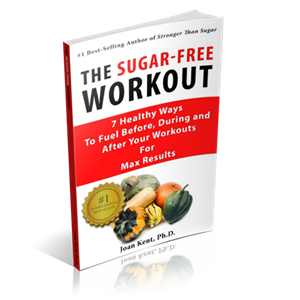
Dr. Kent has published a simple and concise ebook for you and your participants –
This is NOT the definitive sports nutrition manual. This short book simply contains suggestions for fueling for optimal athletic and endurance performance — without using the sugary junk that is typically recommended for athletes and fitness enthusiasts. Several suggestions were designed for distance cycling but can apply to other sports, as well.
Looking back, I suppose it’s understandable that it took me 3 appointments to figure out what was going on with my client.
First and perhaps foremost, this client, whom we’ll call John, was a cyclist.
John came in for his appointment in rather odd clothes, but that’s hardly noteworthy in the California bay area. He wanted to lose weight.
John was already thin. Still, his desire to lose weight didn’t seem noteworthy, either. In my experience, cyclists often try to lose weight to give them an advantage on the road, particularly on hills. Many cycling routes in California are known for the tough climbs they present.
The leaner a cyclist can become — particularly if he or she can maintain strength and power — the faster he can climb those hills.
Typically, my clients who are athletes (of any type) are interested primarily in results. They welcome suggestions and recommendations that will help them get those results. That tends to be true even if my recommendations seem contrary to what they’ve heard elsewhere.
What set John apart from other athletes was his reluctance to do anything I asked him to do nutritionally.
My recommendations for John were nothing out of the ordinary. They all had to do with ensuring that he was properly fueled for both his training rides and his events. In order to keep his energy at peak levels and limit the loss of lean mass, I suggested making his weight loss gradual and carefully trimming calories from the non-ride portions of his day — and certainly not from his pre-ride meals, his on-the-bike fueling, or his immediate post-ride refueling. That fuel was too critical in his continued performance and power.
But John wanted to cut calories from all of those “fueling moments,” as well as the rest of the day. He didn’t want to do it gradually or carefully.
So we had 3 appointments of food log reviews, more questions, and John’s somewhat odd answers. In his third appointment, he requested supplements to speed up his weight loss, and it was clear that he was an anorexic.
First, he didn’t fit the demographic. Only about 0.1% of anorexics are men.
And, again, he was a cyclist, so the desire to lose weight wasn’t a red flag.
I don’t work with anorexics because I’ve found that there are psychological issues involved that are beyond my area of expertise and beyond the scope of my practice.
Since I don’t feel qualified to deal with the issues of anorexia, I refer clients to those who are.
This post doesn’t end with a final set of suggestions or food recommendations, other than to point out that it’s sometimes necessary to look beyond the obvious when dealing with clients. Each one is unique.
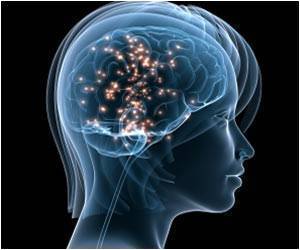
Serotonin is a brain chemical with different functions.
– It’s a neurotransmitter that’s targeted and enhanced by several antidepressants.
– It’s the precursor of melatonin, the “sleep hormone” and anti-inflammatory.
– It affects satiety and modulates general food intake and carbs specifically.
– It’s a vasoconstrictor.
– At high levels, it can make us lethargic.
– It plays a role in energy expenditure and motor activity.
Exercise can raise levels of serotonin. Typically, that’s considered beneficial because serotonin is often referred to — somewhat mistakenly — as a “happiness” hormone.
But among athletes, increased serotonin is known to exert a negative influence on endurance training by bringing on fatigue. Various studies over the past decade or so have shown this to be true in both human and animal studies.
The connection between serotonin and fatigue during endurance exercise is more pronounced in high-intensity (“exhaustive”) training.
Red Ginseng
Red (panax) ginseng has been promoted as an ergogenic aid for endurance athletes. Having never tried it, I can’t vouch for its effectiveness.
Tests on animals, however, suggest that the mechanism behind the ergogenic benefit of ginseng lies in its ability to suppress brain levels of serotonin.
The side effects of red ginseng vary and may include anxiety, headache, insomnia, nervousness, or dizziness. If consumed with coffee, it can cause irregular heart rhythms. Anyone taking meds for hypertension should avoid red ginseng.
Peony Root
Other animal studies show that peony root (paeonia radix) works similarly. It reduces fatigue by blocking the synthesis of serotonin during exercise.
The drawbacks of peony root are stomach upset, rashes in sensitive people, or its ability to slow blood clotting. That may lead to negative interactions with anticoagulant meds — either prescription drugs like Coumadin or over-the-counter items, such as aspirin, ibuprofen, or naproxen (Naprosyn).
Acupuncture and glucose
Still other animal studies have shown that acupuncture at selected sites or glucose injections in the brain can improve treadmill running by suppressing serotonin synthesis and release.
So the serotonin/fatigue connection in athletes and animals has been shown time and again.
Protein To the Rescue
When I long ago learned of the connection between exercise-induced serotonin and fatigue, my first thought was of protein. A combination of mid-ride protein and starch would tend to block serotonin synthesis, I figured.
Sure enough, research supports that.
Protein added to a carb supplement has been shown, for example, to enhance running endurance capacity in football players toward the end of a game.
Experiments on rats trained on a treadmill and given free access to food and a choice between water and a water/amino acid solution showed that the rats preferred the amino acid solution when made to run on the treadmill. Tests revealed decreased brain serotonin in those rats. This suggests an ergogenic benefit of the amino solution.
How Can You Use This Info?
Fatigue has multiple symptoms that may occur simultaneously. For best results overall, a few basic workout guidelines should help.
Stay hydrated, of course, always. Dehydration produces severe fatigue (and worse).
Don’t overdress. Hyperthermia can increase perceived effort and derail endurance efforts.
Add protein to your fuel mix. Preferable types would be fairly easy to digest, such as organic pea protein powder. It could easily be added to the recipe for Dr. Joan’s Potato Goo, described in a previous post.
Wishing you excellent results with your endurance workouts in the year ahead!
Okay, it’s not as if another set of tips on surviving the holidays is a pressing need, but hey. The holidays keep showing up every year, and it’s easy to fall into familiar traps. Here are some practical tips for your participants.
Obviously, the problem lies less in the 3 holidays themselves and more in the weeks of partying, socializing, and grazing between Thanksgiving and New Year’s.
– Workout Survival
Don’t skip workouts. They’re a spot of sanity in a crazy time, and can help you commit to eating right.
First thing in the morning is often best. No matter what happens the rest of the day, it’s done.
If you’re truly too busy for a class, don’t delay and hope for the time to take one. That can lead to doing nothing. Instead, aim for Better Than Nothing (BTN).
BTN means short duration — but it only works with high intensity. Here’s a sample 10-minute workout.
Warm up for 3 minutes: first minute easy, second minute a little harder, third minute a little harder.
Then start intervals — say, 30 seconds very hard, followed by 30 seconds easy. Repeat the pattern for the rest of your workout. Those 7 intervals can, and will, be physiologically meaningful.
– Office Survival
This is pretty obvious. Find out where the temptations lurk. Avoid them. Eat lunch elsewhere. Bring water, coffee, tea to your desk — to avoid seeing (and eating) foods that will make you feel crummy later.
– Party Survival
If there’s a party later that day, eat as usual. Skipping meals is a binge blowout waiting to happen.
– Buffet Survival
Eat before you go. At least have 3 ounces of a protein food, or a scoop of unsweetened protein powder.
At the buffet, place a full serving of protein on your plate. Fill half the plate with vegetables. Save any splurge calories for unique holiday foods. Skip ordinary foods you can have anytime.
Then step away from the buffet table!
When eating the meal, fill up on protein and vegetables first. Then, and only then, eat the other foods you’ve taken.
– Meal Control As Survival
Make or bring healthful dishes: vegetable platters; big, varied salads; a fruit and nut tray for dessert.
Modify recipes all month. Cut butter and/or sugar in half (no one will notice). Use chicken broth in potatoes instead of milk or cream. Don’t glaze foods. The sugar in the glaze can and will increase your appetite — for the wrong kind of foods.
– Post-Meal Survival
Take a walk immediately after dinner. Don’t wait — it might not happen. It’s extra exercise and will also prevent second helpings you don’t need.
Recruit a friend. “Let’s walk before we dive into those desserts,” might be just what your friend needs to hear.
When you return, stay on your feet. Help with clearing dishes, or stand and socialize.
– All-or-Nothing Survival
An all-or-nothing mindset will sabotage you. Get back on track immediately — at the next meal. Don’t wait till the next day — and certainly not till the following Monday.
– Leftover Survival
Don’t keep leftovers at home. Give them away. Throw away troublesome “trigger” foods.
Don’t take leftovers home from a dinner. If you’re pushed to do so, find a trashcan on the way home and toss them. Set yourself up to win.
– Alcohol Survival
Alcohol can make or break your holiday goals. Avoid it when possible. The brain chemistry changes will increase your appetite — for the most troublesome foods.
If you do drink, alternate a glass of your beverage with a glass of sparkling water. If sparkling water’s not available, drink regular water. Keep alternating as long as you’re drinking.
– Logging as Survival
Log your food — all of it! If you splurge, write it down and keep logging.
Clients tend to stop logging when they’ve gone off the grid, but that’s self-sabotage: “I’m not tracking, so I can eat anything.” It’s the all-or-nothing mindset again.
Log every holiday eating day, no matter what. You’ll eat less.
You might even want to keep a log all month. How great to be ahead of the game on New Year’s Day!
I’ve never liked the word “snack.” People are casual with snacks, as if they don’t matter.
People also treat snacks as if they’re different from meals.
Case in point: When I give nutrition presentations, I outline a simple method for creating meals with a good balance of foods and nutrition. Someone almost always asks, “What can we have for snacks?”
The answer is: Whatever you have for meals, just less.
Does Everyone Agree About Snacking?
Some say snacking keeps energy levels high throughout the day. That prevents the low energy and excess hunger that can lead to overeating later.
Others — particularly weight-loss programs — stress eating precisely three meals per day. Snacking encourages overeating. With too many chances to choose food, we have too many chances to give in to temptation.
Let’s assume here that Snacks Happen, so we might as well be wise about them.
The Quick Energy Question
Clients often ask me what to eat for “quick energy.” Maybe they’re hoping I’ll suggest something sugary. (Those who read my posts or my book won’t be surprised that I don’t.)
The need for “quick” energy implies that your energy has dropped. Instead, balance your meals by eating a good combination of foods. That will help keep energy more even and sustained throughout the day.
Prior to a workout, when many people seek “quick energy,” eat a tiny meal that follows the same nutrient balance.
What Does a Balanced Meal Look Like?
Whatever the size of your plate, fill half of it with vegetables. And eat them.
Fill the other half more or less equally with protein foods (fish, shrimp, chicken, grass-fed beef, unsweetened protein powder) and complex starch (quinoa, yams, lentils, squash, turnips, and so on). Add “good” fats in moderation wherever you’d like them (coconut oil, avocado, macadamia oil, olive oil, raw nuts).
Treat snacks like small meals. If you treat a snack as if it’s different from a meal, it’s too easy to mess up the nutrient balance.
How To Balance Meals On the Go
One simple way to plan snacking throughout the day is to get some divided plates with lids. They’re available online and at variety stores, and resemble the color graphic above. Follow the plate format described. Vegetables always go in the big section!
If you have access to a refrigerator at work, perfect. Once you’ve created your solid and balanced meal, take the container to work. For a snack, just eat from the meal you put together.
But! Eat using the proportions of the divided plate. Don’t eat just one item in the container, no matter how good for you it may be. Eat the most from the biggest section (veggies).
If you eat lunch out, this method still works for your snacks. If you eat lunch at your desk, prepare two containers — one for your lunch, the other a smaller meal to snack from as needed.
Can You Drink Your Snacks?
Great question.
One research study allowed participants to eat at will from a buffet, and compared the calories consumed by three test groups.
Group 1 had no snack before eating from the buffet. Group 2 had a snack of 150 calories two hours before eating from the buffet. Group 3 had a 150-calorie snack in liquid form — juice, a shake or a smoothie.
Group 2 participants, who ate 150 solid snack calories, reduced their average intake of buffet food by about the same number of calories.
Group 3 participants, who drank 150 calories, did not reduce their buffet intake.
So drinking juice could possibly add calories to your day. If you’re thirsty, it’s a body signal for water.
There’s much more to say about snacking, but the bottom line is to treat snacks as small meals. Build them the way you would a meal. Keep the nutrient balance the same as for a meal. Don’t use snacks as an excuse to over-consume calories.
FYI, the foods that give the highest satiety are protein foods. Don’t skip protein.
Americans tend to snack on junky foods, but let’s not follow that example. In particular, avoid snacking on sugar. It’s bad for your health and increases appetite.
Who needs a bigger appetite with the holidays almost here?
The sugar industry has powered its way through Washington as one of the most imposing lobbies, ever since the 1980s.
You may have read recently that sugar is under attack, specifically the industry’s substantial federal subsidies.
At first that might seem like good news, but the primary leader of the attacks is none other than the Corn Refiners Association.
These days, everyone knows sugar’s bad stuff. This ‘new’ news is actually old news. As covered in a previous post, the original studies on the evils of sugar date back to the 1970s. That was before the sugar lobby gained its stronghold.
Once the sugar industry came into power, all nutritional hell broke loose. Fat became Dietary Enemy #1 — sadly, the fitness industry was all over that viewpoint — and US obesity became epidemic.
It took a couple of decades for the pendulum to swing back to sugar. Yes, it’s about time.
But the worst news about the attack on sugar industry subsidies might have to do with what’s coming as a result. Logic tells us that, if the sugar industry loses its subsidies, sugar prices will skyrocket. In a perfect world, that might reduce sugar consumption, not unlike the decrease in smoking that followed sky-high cigarette prices.
The real, and unfortunately more realistic, nutrition danger is that demand for sweet foods won’t decrease.
What Might Happen Then?
One possibility is nothing will change. Hardcore sugar fans will simply pay the higher prices and keep eating their favorite desserts.
The other is that a cheaper alternative will be offered and devoured — exactly what the corn refiners must be plotting.
What will happen if high fructose corn syrup (HFCS) replaces sugar?
Much bad stuff has been written about HFCS — and it sparked controversy. Of course, the pro-HFCS side came from the Corn Refiners Association, so we can obviously ignore that as a highly vested interest.
Let’s simply skip over the looming shift in power in Washington and stick with food — as if sugar in any of its forms could be considered food.
What Does The Science Show Us?
Studies comparing fructose to glucose have measured the response of the hypothalamus to the two sugars. The hypothalamus helps regulate signals of hunger and satiety, as well as reward and motivation.
In comparison tests, subjects consumed either a fructose-sweetened beverage or one sweetened by glucose. Within 15 minutes, test results showed substantial differences in the activity of the hypothalamus. Glucose reduced activity in the feeding center of the hypothalamus, but fructose prompted a small increase.
The glucose drink also increased the participants’ feelings of fullness, which suggests they’d be less likely to keep eating after having something sweetened with glucose. That might relate to its effect on insulin. Insulin plays a role in fullness and reducing food reward.
Fructose is metabolized differently by the body and triggers less insulin secretion than glucose does.
Unlike glucose, fructose also fails to reduce circulating ghrelin, a monster hormone that increases appetite and food intake, while decreasing metabolism.
Sugar contains equal parts fructose and glucose. HFCS contains more fructose. All (all) research shows that fructose is the health troublemaker, not glucose.
Implications For Future Fructose Use
Obesity is epidemic and associated metabolic disorders (diabetes, hypertension, heart disease and more) are on the rise now, and largely because of sugar.
Imagine how bad things will get if sugar is replaced by HFCS.
James Davis, of the Freedom Partners Chamber of Commerce, said his group opposes special breaks for sugar and corn growers alike.
Davis said, “We’re not real interested in climbing in bed with the corn lobby to accuse the sugar industry of being prostitutes. We oppose all forms of corporate welfare.”
That’s a politician’s statement for sure, and this post will abstain from the politics of this issue.
And I’m certainly NOT pushing sugar over HFCS.
But wouldn’t it have been astounding if Davis’s second sentence had been, “We oppose all forms of sugar”??