If you run high-intensity trainings in your classes — and I’m guessing most of us do — you may have had a participant experience extreme difficulty during or just after a hard bout of work. In such cases, I’ve seen the skin turn absolutely white or ashen — or, alternatively, bright red and tinged with blue around the cheeks. Either way, the student doesn’t feel well and may be lightheaded, nauseated, shaky, and extremely fatigued.
It’s likely you’ve seen these signs, along with a variety of treatments offered: walking slowly around the room, sitting with the head between the knees, or just lying flat on the floor. These methods often don’t seem to help and may even make things worse.
Keeping in mind something I learned from my major professor in grad school, I developed a “trick” that has proven helpful in such circumstances. It can bring someone back to feeling better quickly and can frequently eliminate the need for stronger emergency measures.
As soon as possible, get the person off the bike and onto the floor. For the sake of comfort, an exercise mat is ideal. If no mat is available, fold a towel to cushion the head. DO NOT elevate the head — we all know from CPR classes that will close off the airway. Speed is more important than comfort, though, so if a towel or a mat isn’t available, just get your student on the floor.
Start the student on his back, with knees bent and feet on the floor. Instruct the student to keep the legs relaxed as she gently lifts one knee toward the chest for a moment and returns the leg to the starting position. Do the same on the other side. If the student is too confused to understand and follow your instructions, just ask him to relax and tell him that you’ll be lifting his legs.
This process typically needs to continue for several minutes. Keep watching the student and giving instructions. Most of them will stop after only one or two repetitions. Be prepared to move the legs manually if the student stops due to fatigue.
A few things not to let the student do:
– Don’t let her grab the knee and hold the leg up. What makes this procedure work is the rhythmic up-and-down action.
– Don’t let him do this quickly and turn it into a forceful exercise. Again, the gentle, rhythmic action of the leg moving up and down is the key.
– Don’t let her lift the second leg while the first one is still in the air. At least one foot should be flat on the floor during the entire procedure.
Like the rest of you, I’ve taken many CPR re-certs. They don’t cover anything like this, but it’s highly effective. The color of the face returns to normal fairly quickly, and the nausea tends to go away quickly, as well.
For better or worse, I’ve had many occasions to use this. When Jim Karanas was teaching his Performance Max program, more than a few participants experienced severe symptoms after max efforts (especially when rowing). Fortunately, the procedure was quite effective, as mentioned above.
Yet long before PMax existed, the “seal of approval” came from Dr. Campbell, my major professor, himself. In our exercise physiology lab one day, a student experienced exactly the symptoms described above — she was sick to her stomach, shaky and white as a sheet. I immediately asked if she’d be willing to do something that I thought would help her. From the floor, her color came back after several knee “pumps” and she was fine.
Tough as he was to impress, Dr. Campbell said nothing, watched closely, and finally made eye contact with me and nodded his approval. This expert in cardiovascular dynamics apparently saw it as an appropriate treatment method.
You might want to practice the technique so you’ll remember it. Then let’s hope we never have to use it.
Diet isn’t the only reason your students may suffer from PMS symptoms. But it could be a big one. If the women in your classes approach you for help with PMS (or even complain about it), you’re in a great position to offer good advice.
Premenstrual syndrome includes a long list of symptoms and signs: anxiety, depression, irritability, mood swings, nervousness, angry outbursts, fatigue, fluid retention, bloating, weight gain, backache, cramps, headaches, joint pain, breast pain, insomnia, acne, and cravings. Whew.
Factors that contribute to PMS include hormone or neurochemical shifts, diet deficiencies, stress, and lack of exercise. (That last one certainly won’t apply to indoor cycling students.)
Two important brain chemicals associated with PMS are serotonin and beta-endorphin. Both chemicals drop pre-menstrually — with interesting effects.
The first, serotonin, promotes relaxation, calm and satiety, the feeling that we’ve had enough food. It can reduce depression, stress, anxiety, and pain. During PMS, the drop in serotonin can lead to irritability, pain, depression, mood swings, impulsivity, increased appetite, and cravings, especially for carbs.
Second, beta-endorphin reduces pain and emotional distress, while it promotes wellbeing, euphoria, and brain “reward”. When beta-endorphin drops during PMS, we feel more pain and have “low” moods and cravings, especially for sugars and fats.
Serotonin and beta-endorphin are strongly influenced by diet and exercise. How does repeated sugar consumption affect this?
Women with PMS tend to have higher intakes of sugar, alcohol, white flour, salt, saturated fat, caffeine, and dairy products. From the other side, PMS is linked with low levels of B vitamins, protein, essential fatty acids, and fiber. These dietary habits tend to be either/or. One cancels out the other.
Let’s focus on high sugar intake. Sugar increases the intensity of PMS symptoms. It increases breast tenderness, congestion and pain; abdominal bloating; and swelling of the face and extremities. Sugar increases magnesium excretion, which in turn results in irritability, anxiety, depression, low brain reward, and insomnia.
Sugar triggers high insulin secretion. Insulin affects hormones known as prostaglandins (as explained in a previous post), and increases the ones that cause pain and inflammation. Sugar increases appetite for junk food, cravings, and hypoglycemia in people who are susceptible. Alcohol does these things, too, and can decrease serotonin besides. Not a good mix of effects from either of these substances.
The best plan is for your students to get off sugar (and alcohol, which is essentially the same thing health-wise). Recommend that they eat protein throughout the day, preferably with each meal and/or snack. They can replace sugar and white flour with complex carbs — sweet potato, quinoa, turnips, lentils, pumpkin and other squash, and vegetables — and eat unsaturated fats (avocado, olive oil, nuts, seeds) with each meal.
Supplements can help your students feel better. Flaxseed oil and fish oil capsules are good to take every day. Magnesium improves mood. B-complex can help restore healthful hormone and neurochemical levels. Vitamin D3 is needed for uptake of magnesium, as well as for calcium.
Make sure they keep coming to your classes. Working out at least 3-4 times a week relieves many symptoms, and is as important as all of the other suggestions combined.
Many other nutrition and supplement suggestions exist for dealing with PMS — not to mention making it through menopause without discomfort. I’ll be back to cover these topics in future posts. Meanwhile, if your students could use help in ending sugar addiction, they can contact me at www.foodaddictionsolutions.com.
No idea what you're eating? Does it contain chemicals and allergens that you want to avoid? Are you a bit distrustful of the labeling (or lack of labeling) on the food you purchase for your family? Well now there's an App for that, or at least there will be very soon.
I'm on an email list that sends regular notifications of new IndieGoGo projects. This morning I was alerted to this new product: TellSpec: What's in your food?
TellSpec is a fascinating device that literally scans your food and then displays the resluts on your portable deveice. Watch this short video to see how it works.
http://youtu.be/kcNj1DknDpg
What is TellSpec?
TellSpec is a three-part system which includes: (1) a spectrometer scanner (2) an algorithm that exists in the cloud; and (3) an easy-to-understand interface on your smart phone. Just aim the scanner at the food and press the button until it beeps. You can scan directly or through plastic or glass. TellSpec analyzes the findings using the algorithm and sends a report to your phone telling you the allergens, chemicals, nutrients, calories, and ingredients in the food. TellSpec is a fast, simple, and easy-to-use way to learn what's in your food. We need your help to make it smaller and manufacture it as a handheld device.
Here's the part that really impressed me – it can help you identify food allergies 🙂
TellSpec will track what you eat, and based on your reports of how you feel, it will help identify your food sensitivities.
I've always been a bit of a skeptic. While I don't typically use the exact words – prove it to me, when every I read/hear or discuss the next thing that will decrease/increase my lifespan, re-grow hair or magically increase fuel mileage by up to 80% – I instinctively question the message and/or messenger. For good reason. Often they're wrong… or or worse… lying to promote so agenda.
I'm not sure why, but for some reason I don't remember questioning the; too much salt is bad for you, line we've all heard a thousand or more times.
My Grandfather used to love McDonald's and White Castle hamburgers. “Two hamburgers and a coffee” was his typical order whenever he and I would sneak out for lunch. My Grandmother had a great sense of smell. Without fail, she'd know where we've been for lunch as soon as we walked in the door. She would begin harping on my Grandfather; “all that salt on those hamburgers will wreck havoc on your blood pressure. You know that”.
But as it turns out, much about what we've all been told about salt (and it's supposed negative health effects) is unsubstantiated by medical research… surprise!
Let’s begin with the 4 most important things you need to know right now:
1. There is zero evidence to support a drastic reduction in sodium intake.
A recent review of a study by the Institute of Medicine failed to identify a health benefit associated with sodium intakes less than 2,300 mgs/day, and concluded that there is insufficient evidence to determine whether sodium intakes of less than 2,300 mgs are harmful or beneficial.
In other words, there’s no evidence that a salt reduction will result in a health benefit (nor do we do know the potential consequences of reducing the salt content of food).
2. Reducing sodium intake can have unintended health risks.
But here’s what we actually do know: recent research highly suggests that low sodium intake can indeed increase health risks. Here are some of the unintended consequences of drastic reduction in sodium intake:
– Insulin resistance (diabetes) – Metabolic syndrome – Increased cardiovascular mortality and readmissions – Cognition loss in neonates and older adults – Unsteadiness, falls, fractures – Lifelong appetite cravings for salt
Despite this extreme lack of supporting evidence, here in America the Center for Disease Control and the New York Department of Health appear to remain intensely committed to their efforts to have us all consume less than 2,300mg/day, and for nearly half of us to consume less than 1,500mg/day.
The part about Insulin resistance (diabetes) really jumped out at me. My Grandfather developed Adult Onset Diabetes in his late 70's – he lived to 86. So I have as they say a “history” of this in my family = prefer not to get it myself. My lifestyle is nothing like his was; I'm very active vs. his sedentary / inactive life. My memory is that he was on a regiment to control his blood pressure (more history) most of his life. As elevated pressure was thought to be tied to salt intake, his doctor had prescribed a very low sodium diet. The guy almost never ate sweets, never snacked, overate or ate out at a restaurant. His wife cooked 97% of everything he ever consumed, always very low salt.
So now I'm left thinking; could his very limited salt intake, over a substantial portion of his life, have been a cause of his diabetes?
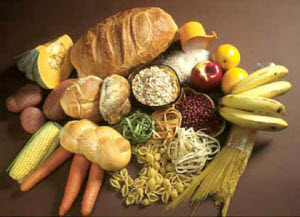
Because of the bad press carbs have received for a number of years — and the new gluten-free trend is only its most recent manifestation — many of your students may be avoiding carbs.
People who avoid “carbs” tend to define them as starches (bread, pasta, crackers, cereals, potatoes) and sugars (cakes, cookies, candy and syrups). I include agave in that last group, but few people want to acknowledge it as the sugar it is.
As indoor cycling instructors probably know, there are plenty of other carbs out there, such as vegetables, lentils, beans, sweet potatoes and more. Many of them are good for us, particularly as fuel for training.
It’s a bad idea for your students to avoid carbs, especially if they’re working out on a regular basis. Here are a few reasons for that, some of which you may already know.
Avoiding carbs doesn’t fit well with athletic training, especially tough training. In extreme cases, a low-carb diet could cause a full-fledged bonk. But even without that, low-carb eating can make it difficult, if not impossible, for the student to reach higher workloads in high-intensity classes.
A very low-carb diet can lead to cardiac arrhythmia, particularly in people who train hard. If you run hard workouts in your classes, you might need to remind your students to eat some starches both prior to, and following, a class. Fueling and refueling appropriately are important factors in fitness and health. In turn, the right carbs become an important factor in both.
Eating too few starches can increase appetite. This has to do with serotonin production, which involves carbs. Serotonin gives us a feeling of satiety, that we’ve had enough food and don’t need to seek more. Satiety caused by serotonin can be general, and its lack may lead to increased appetite. Satiety caused by serotonin can also be carb-specific, so a high-carb lunch might lead to a lower-carb dinner.
Someone who avoids starches as a general dietary strategy may not feel the satiety that starches (and serotonin) would produce. They may crave lots more food in general, and/or carbs in particular.
If your students avoid starches, the cravings could lead them to sugars. Because that general feeling of satiety might not be there, when they finally eat sugar, they’re likely to eat a lot of it. Sugar is dietary trouble, and health issues may ensue. (Don’t get me started.)
Eating too few starches can also lead to cravings for alcohol. See the preceding paragraphs for the mechanism of action; it’s the same for sugar and alcohol. I’ve seen this in many food logs submitted by clients — low starch intake, combined with substantial alcohol consumption. Alcohol can cause a host of heath, sleep and mood issues, as covered in previous post.
Less known is that the long-term effects of a low-carb diet can include an up-regulation of insulin receptors. Up-regulation is sometimes misunderstood. It takes place when the level of insulin is low, such as when the diet contains few insulin-triggering foods. In its ever-vigilant effort to maintain homeostasis, the body responds to the shortage of insulin-triggering foods by increasing both the number of insulin receptors and the sensitivity of the existing ones.
The result is that the body is ready to receive ANY insulin that’s triggered and respond vigorously to it. In someone who’s susceptible, that may translate to serious weight regain if and when the student returns to “normal” eating, even if only for a temporary period of time.
If your students need, or want, to avoid gluten, they can still consume healthful starches. Gluten-free starches include vegetables, lentils, various beans, sweet potatoes, yams, turnips and other root vegetables, squash, quinoa, and brown rice. These foods can help your students avoid the various health issues described above and keep them training well and often.
Many new businesses are based on creative solutions to identifiable problems. In this earlier post, I discussed entrepreneur Kat Filly Brown and her goal to find a convenient way for employees to exercise midday, while avoiding the hassles of California traffic.
Outburst Mobile Fitness is a self-contained studio that delivers classes to corporate customers in and around the San Francisco Bay area. They pull up in this big fancy rig and hold Indoor Cycling classes right there in the parking lot.
Kat Filley Brown joins me to discuss her new Indoor Cycling business on wheels on the latest episode of the Indoor Cycle Instructor Podcast to discuss her business model, her choice of Indoor Cycles and the opportunities she has for Indoor Cycling Instructors – especially if you have experience driving a 5th wheel commercial vehicle 🙂