Sugar is big nutrition news these days, and sugar addiction is getting the attention it deserved a long time ago when only a few nuts (like yours truly) were talking about it.
I searched recently for the mainstream “wisdom” on getting rid of sugar cravings. The suggestions I found display a poor understanding by the various authors of what makes us crave sugar.
Below are some of those suggestions, and why I doubt their effectiveness. Of course, almost everything will work for some people, but as a rule, these aren’t things I’d recommend to my clients.[wlm_private ‘PRO-Platinum|PRO-Monthly|PRO-Gratis|PRO-Seasonal|Platinum-trial|Monthly-trial|PRO-Military|30-Days-of-PRO|90 Day PRO|Stages-Instructor|Schwinn-Instructor|Instructor-Bonus|28 Day Challenge']
Turn your attention to something else. This approach is a good match for the next one on the list.
Change the scenery & take a walk. Whoever proposed these two solutions thinks cravings are “all in your head”, so the solution must be to focus your thoughts on something else.
Talk to a friend. If you believe that a sugar craving is an emotional phenomenon, this suggestion seems reasonable. It’s less reasonable if you look at the physiological side of cravings.
Meditate. If you think cravings are the result of a way of thinking or feeling, or a result of stress, this may seem reasonable. And it can change brain chemistry, so it could work.
Avoid stress. Of course, that sounds fantastic. Who wouldn’t want to avoid stress? But it’s not always realistic. Besides, what if you’re already stressed? What do you do then?
This advice also doesn’t distinguish a craving from the urge to eat. That urge to eat when stressed may actually be an inborn reaction. Even animals do it. It’s not always the same thing as a craving.
Drink water. This is ALWAYS good advice. But a craving isn’t necessarily the result of dehydration. Thirst can be mistaken for hunger, and, apparently, the urge to eat is sometimes mistaken for a craving (see “Avoid stress” above). But they’re not really the same.
The following suggestions might be effective temporarily, but could backfire in the long run.
Eat a little of the craved food, then divert your attention. This shows a misunderstanding of the neurochemical effects of sugar. Yes, eating sugar will take away the craving — after all, you’re eating what you craved. But it will probably come back later with a vengeance. And if you eat sugar and the craving goes away, why would you even need to turn your attention to something else?
Eat the craved food, then something healthful. Sorry, you’ll never convince me that sugar cravings will be “cured” by eating sugar plus kale. The craving will return big-time later, and the sugar may make kale (or other healthful food) seem unappealing.
Eat a decadent, delectable version of the craved food and savor it. How slowly and voluptuously you eat the food has nothing to do with eliminating the craving. Eating sugar will always stop a sugar craving — but that’s short-term at best.
Eat fruit. As if fruit isn’t sugar. If you recognize that it is, this suggestion is the same as the rest of the food suggestions above.
My recommendation is to treat a craving like what it truly is: a neurochemical phenomenon. Since it’s neurochemical, it’s physiological. Would we tell someone to get rid of the flu by changing the scenery? By diverting her/his attention? Those are good things to do, but they might not be an effective answer to a physiological problem.
In a previous post, the causes of sugar cravings were described, and all were neurochemical.
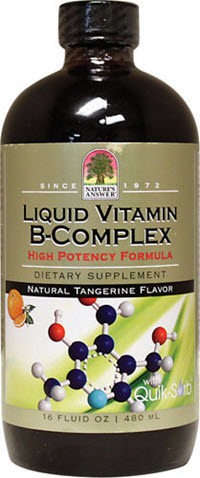
Addressing neurochemistry may be a better way to fix a neurochemical problem. Use liquid B-complex, suggested in a previous post, for short-term relief. (It really works.) Change your diet for a long-term cure. (It really works.) Get a coach for ongoing support, because those two suggestions can be easier said than done.
2/3/2015 UPDATE: ICI/PRO contributor Joan Kenk Ph.D. has published a new book on Sugar Addiction! So to celebrate her success I thought it would be helpful to republish her interview from 2011 – it was previously only for ICI/PRO members.
The first thirty seconds of the podcast will have you convinced she is the expert on the addictive qualities of sugar – and what to do about it.
As I was preparing this interview I went back and counted… Dr. Joan Kent is the 20th different Master Instructor that I've had the privilege of interviewing for the Indoor Cycle Instructor Podcast!
Dr. Kent is a Master Instructor with The Indoor Cycling Group of North America and she holds a Doctorate in psychoactive nutrition; the study of how foods effect brain chemistry along with a Masters in Exercise Physiology.
We got off of our intended track when I described an eating problem that I have and Joan helps me with a possible solution, one that maybe of interest to someone in you class.
Joan's suggested solution to my problem of yielding to sugar cravings after dinner was to take a spoonful of Super B Complex Vitamins. I'll let you know how it works 🙂
In a previous post, I listed the DSM-5 criteria for addiction and left tolerance and withdrawal for another time because they take a bit more explanation. For the sake of completeness, here they are. I promise to keep this short!
Tolerance and withdrawal are linked with addiction, but addiction can occur without them. Once called the classic markers of addiction (criteria 1 and 2 in the DSM-IV), tolerance and withdrawal have been moved to 10th and 11th places in the DSM-5 criteria for substance abuse disorder.
Tolerance
Tolerance is reduced effectiveness of an addictive substance. We’ll talk about sugar. A larger dose is needed to obtain the same effect, which may increase sugar intake.
Tolerance involving endorphins occurs with sweet substances. Sugar and artificial sweeteners can both change endorphin (beta-endorphin) function through up- or down-regulation. Endorphins are produced in response to pleasure or pain.
Serotonin is another brain chemical that alleviates pain, and tolerance can occur to its effects, as well. Serotonin production is higher when insulin release is higher, so more sugar means more serotonin.
Carb sensitivity — the exaggerated release of extra insulin when eating sugar — would also increase serotonin production.
Withdrawal
Withdrawal is a predictable set of symptoms that most addictive substances will produce when chronic use stops or drops.
Withdrawal includes physical symptoms and negative moods, both associated with low levels of specific brain chemicals.
It’s common to use more sugar, or a closely related food, like fruit, to relieve or avoid withdrawal symptoms.
Addiction involves two types of reinforcement. Positive reinforcers establish and sustain habits because they cause pleasure. That’s what typically creates an addiction in the first place.
Negative reinforcers establish and sustain habits because they alleviate pain or distress. If eating sugar takes away the discomfort of withdrawal, the sugar is a negative reinforcer. That’s true even though it started as a positive reinforcer.
Most addictions will run in this direction — toward seeking negative reinforcement to stop withdrawal — no matter how “positive” the reinforcing effects of the substance or food were in the beginning.
Any positive reinforcer can be addictive. Any negative reinforcer can be addictive, too. The negative reinforcer can be either a substitute or the substance itself.
So anything that’s substituted for sugar and takes away withdrawal symptoms (negative reinforcement) has addictive potential. I’m thinking fruit, agave, sweeteners.
What Withdrawal Looks Like
80% of self-labelled chocoholics reported irritability or depression when avoiding or cutting down on chocolate. They felt preoccupied with chocolate at those times. Abstinence from chocolate led to relapse and overeating of chocolate in all participants.
One thing that occurs during withdrawal is craving. A craving is an intense urge or desire for a substance. Cravings are typically highest when withdrawal is most severe — and the greater the intake, the greater the withdrawal and craving.
Cravings may be triggered externally (seeing or smelling the sugary food) or internally (tasting a little). Withdrawal is also internal triggering.
Among women, chocolate is the most craved food, and the cravings peak premenstrually. Chocolate contains stimulants and mood-elevators, including caffeine, theobromine (similar to caffeine), tyramine and phenylethylamine (the being-in-love chemical). These were defined as the “psychoactive components” of chocolate.
Yet, when chocolate wasn’t available, all the substitutes were sweet, rather than stimulants like caffeine.
PMS and morphine withdrawal share several symptoms, including cramping, carb craving, sweating, fever, increased appetite, insomnia, irritability and nausea. During PMS, endorphins drop, so PMS has been described as periodic withdrawal from endogenous opioids (endorphins).
(Indoor cycling instructors probably have their holiday eating under control, so this post is for your participants. I hope the information helps them.)
Quite a few years ago, I was on staff at a 10-day seminar on nutrition and eating behaviors. We lived at the ranch where it was held. Staff and participants alike followed the same mealtime rules.
Frankly, the seminar wasn’t particularly good. But we did one great exercise that helps me to this day.
The Standing Ovation
In the dining hall, we had to stand and announce that we were going back to the buffet to take seconds. At that point, everyone in the room gave us a standing ovation.
The reason behind this is simple. Some people tend to pile food on their plates when they go through the buffet line. It prevents the embarrassment of returning for more. The problem is, once the food is on the plate, it’s easy to keep eating, even when we don’t want it.
Giving yourself permission to get seconds eliminates the need to pile extra on the plate. Start with a small portion, and get more only if you really need and want it.
A Better Standing Ovation
The other part of the exercise was this: We had to stand and announce whenever we were throwing away food. Again, everyone in the room gave us a standing ovation.
I’m convinced this is one of the most valuable exercises anyone with food issues can try.
Most of us grew up learning that it’s a sin to throw away food. Didn’t you? Because of the starving children, right? Where were they starving when you learned it? We all heard different countries, different locations, but the sin was the same.
Kids immediately see through this nonsense and say, “So send it to them.” No one can convince kids that shoveling food that they don’t want or need into their mouths will help starving children anywhere. And yet this “teaching” persists and its negative lesson lingers into adulthood.
U.S. Food Production
Meanwhile, the U.S. produces 3950 calories worth of food for every man, woman and child (even infants) in the U.S., each and every day. 3950 calories is far more than most adult men need, and certainly more than women and children need.
So much of the food the U.S. produces is excess. There’s almost no way to prevent wasting of food.
Under circumstances like those, throwing away food isn’t a sin. It’s survival. And learning to be 100% okay with doing it is the smartest strategy.
Convincing My Clients To Get Rid Of Trouble Food
It isn’t easy to convince my clients of that. One client bought a giant tub of dates at Costco. Even though the date sugar kept triggering binges and her weight was creeping up, she kept eating them daily. When we talked about it, she said, “They’re almost gone.”
Perfect. Don’t put the dates in the garbage. Treat your body like a garbage can and put the dates in there. Yikes.
Another client had dinner with her parents at their home twice a week and couldn’t refuse the giant portions her mother served her. She had a problem with the sin of throwing away food. I wish she’d learn to use plastic containers for the purpose for which they’re intended.
Seminar Benefits You Can Use
After the seminar at the ranch — and all those standing ovations! — I can throw away any food. Now, I’m definitely NOT telling you to buy good food and throw it away for no reason.
But if a food — especially sugar — is making it difficult or impossible to stick with your eating plan, it needs to go. Not when it runs out, but now.
The impact of the sugar you can’t stay away from is huge. It goes beyond the “empty calories” most people talk about when discussing sugar. (Does that phrase bore you as much as it bores me?)
Toss That Sugar
Sugar increases appetite by inhibiting your satiety center. It changes your food preferences and makes you want more junk and fewer vegetables. It can make your eating feel out of control. As all of that happens, it affects your self-esteem, and not in a positive way.
And sugar will — as always — be everywhere this holiday season, along with holiday buffets.
Stop treating your body like a garbage can. Throw junk in the real garbage can, where it belongs. If you need to ruin the food first, do it. (Dishwashing liquid is handy for that!) Dump it and move on.
Your body deserves better. So does your brain, and your self-esteem. Can you hear the standing ovation?
John rode the #1 NYC subway train last week and it doesn't look like this today 🙂
Giving nutrition talks in many locations lets me meet interesting people. After a recent presentation, a man came up afterward to tell me about his doctoral research.
Dull, you think? Hardly. The man is working on a program for juvenile offenders that teaches them about good nutrition. His premise is that getting them to make good decisions about food helps them make better choices in life.
How Little Things Can Make a Big Difference
I was instantly reminded of Malcolm Gladwell’s book The Tipping Point. Gladwell describes the turnaround of the high crime rate in New York.
In the mid-1980s, violent crime in NYC was at a peak. Two criminologists, Wilson & Keller, theorized that crime is the inevitable result of disorder, and seemingly small displays of disorder invite serious crime by signaling neglect.
The NY Transit Authority hired Keller as a consultant. He convinced the key players to start the crime cleanup by cleaning graffiti from the subway trains. Some thought it was a foolish start because violence on the subway trains was so high.
But the repainting of trains was relentless. Even partially graffiti’d subway cars were taken out of service until they’d been cleaned. The message that someone was watching was clear, and it worked.
The theory was then applied to other small crimes, such as fare-skipping and minor property damage. By 1990, violent crime in NYC had dropped considerably.
So What Does This Have To Do With Sugar?
What if, instead of avoiding just the big stuff — like dessert — and letting little “tastes” slide by, you convinced your participants to start by eliminating the little tastes? Refusing that piece of a broken cookie, those two tiny M&Ms, that agave on their oatmeal? Small tastes that seem trivial, calorie-wise.
What good would that do? Well, sugar does affect brain chemistry and hormones, so small amounts can increase appetite and change food preferences — and not in a good way. A little can bring on cravings for sugar later that day or the next.
But What About Juvenile Offenders, Gladwell, and The Subway Trains?
I’m also suggesting that strictly refusing small bits of sugar could help your participants develop a different mindset: “That’s not food.”
What I know from decades of counseling dieting clients is they tend to think All-Or-Nothing. (“I ate cookies earlier, so I blew it. I’ll have this chocolate cake tonight and start my “diet” tomorrow.”)
What if — this season — they get out in front of it?
If they relentlessly reject small samplings of sugar throughout the day (and the week), it could be easier to turn down dessert.
Yes, because of the brain chem thing. But also this: Why undo all that careful, healthy picky-ness by blowing it on a bowl of Rocky Road?
Dare To Start Small
We know holiday sugar will be around in both large and small portions.
Why not shun the tiny tastes of sugar that will be everywhere? See if that doesn’t inspire better food choices throughout the day — and throughout the season. See if it doesn’t re-frame sugar as the junk it is, rather than as food.
If this deceptively silly idea keeps your students from overdoing it on pumpkin pie, chocolate truffles, fudge, cheesecake, and everything else that will be temptingly available as the holidays go on, it could even be seen as their practice.
Imagine the inner glow of having a no-sugar practice.
Besides, if you convince your participants to try this, you will definitely be a Hero, like my friend who’s working with juvenile offenders. What he’s doing is brilliant. You could be, too.
I’d love to hear how this Tipping Point approach works for your classes!