
by Joan Kent | Mar 17, 2015 | Health and Wellness, Strength Training
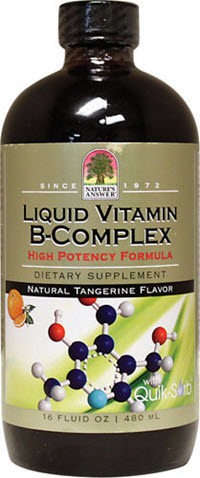
Liquid B complex is the only Nutrition Magic I know. It can stop a sugar craving within a few minutes. But every so often, people will tell me they tried it and it didn’t work. How could that be?
Careful questioning revealed a few common reasons that prevent B complex from working effectively. Here’s what I’ve discovered.
Not Using Liquid B Complex
The liquid formulation seems to speed up the effect so we can feel it within a few minutes. Tablets take longer and might be good for regular supplementation, but a “craving emergency” is better dealt with by using liquid B.
If you already take a daily B-complex tablet, you can safely add liquid B on a day that you get a craving. On the other hand, if you’ve used liquid B for a craving before taking your usual dose of B, there’s no reason to take the tablet that day.
A one-day “overload” of B vitamins won’t be harmful, but it’s best to avoid it on a regular basis. (If you have any questions about this, please check with your doctor.)
Taking B12 Instead of B Complex
For reasons I’ve never been able to understand, people misinterpret “B complex” as “B12.” It’s possible that this dates back to the once-upon-a-time practice of getting B12 injections for energy.
Whatever the reason, B12 is only part of the complete complex — and not even the most important B vitamin in trampling cravings. Yet this misinterpretation has happened so often, I now clarify immediately whenever I recommend B complex to a client.
So again, use LIQUID B COMPLEX. Not tablets, not B12, not any other individual B vitamin.
Not Eating Any Protein
When this mistake is made, it’s usually by folks who haven’t worked with me as clients. All of my clients know I stress the importance of protein.
Protein is a key element in the craving-killing plan. B vitamins work as catalysts to help form specific brain chemicals. Those chemicals can end cravings (and also prevent them) when they’re at optimal levels. But the brain chemicals are made from amino acids — which we learned in 7th—grade biology as “the building blocks of protein.”
We can’t make the necessary brain chemicals without protein.
Junking Out On Sugar First
If you’ve eaten half a bag of cookies, please don’t expect B vitamins to stop you from eating the other half. The neurochemical changes that the cookies have set in motion are powerful — and even more powerful for some people than for others.
For reasons beyond the scope of this post, those brain changes will probably make you want the rest of the cookies.
Suffice it to say there’s simply no way that a teaspoon of liquid B complex can override the strong effects of whatever sugar you may have just eaten. The most helpful idea is to use B vitamins to stop your craving so you don’t eat the cookies in the first place.
I’ll throw in a side note. If you find it too easy to reach for cookies because you’re home and they’re conveniently located in your kitchen cabinet, please do yourself a huge favor: Don’t keep cookies in your kitchen. Throw away the ones you have. Don’t buy more.
It Works If You Work It
Liquid B complex is still the only nutrition magic I know. It’s effective; it’s quick. But it’s not a stand-alone miracle. It’s best used as part of a sincere attempt to reduce dietary sugar.
Please stay aware that B vitamins are a short-term solution for stopping sugar cravings. Getting rid of cravings permanently requires changes in diet.
And, yes, changing diet can virtually eliminate cravings. Think of the freedom that could mean for your students.

by John | Mar 14, 2015 | Health and Wellness, KEEPING IT FUN, Latest News, Training With Power

Finally, a nose ring that actually does something… but would you wear it while teaching?
I connect with the ‘gear heads' in my classes by reminding them how our bodies convert a carbon based fuel source (food) into the energy that powers a bicycle. Which is very similar to how the engine in your car creates the power that propels you down the highway, using another carbon based fuel source > gasoline or diesel.
I wrote a pair of posts about the many similarities between engines and humans that you might enjoy; You’re an engine… act like it. Part 1 and You’re an engine… act like it. Part 2
No matter what source of fuel you're using, converting it into useful energy requires Oxygen (O2) and lots of it. Your car needs to ingest 15 pounds of O2 for every one pound of fuel burned. Not surprisingly, you need to breath in & out about the same amount of O2 to burn a pound of your last meal.
What limits the performance of both you and your car, is its ability to efficiently move air in and out.
There's a huge aftermarket industry that sells various components to improve how your car breathes. Now there's Turbine – a new sports breathing device from an Australian company that they say will improve how you breath, potentially increasing your performance.
HOW DOES THE TURBINE ENHANCE MY BREATHING?
Turbine increases airflow through the nose by an average of 38%, helping to reduce the feeling of breathlessness. Simply put, by dilating your nose (even slightly) you can increase the amount of air going in and also, importantly, increase the amount of exhaust air (CO2) you can expel. And, as you know, when you’re going hard, every little bit helps.
Using Turbine allows you to breathe more efficiently with every breath, enabling the body to focus energy on the muscles that need it, when they need it.
When exercising, oxygen is extracted from the air in your lungs, absorbed into the blood stream and circulated to enable muscular contraction. Supplying your exercising muscles with the air they need, has a high energy cost; Turbine may help reduce this. Try it today and find out for yourself.
I tried out a Turbine during the show last week. I was amazed by the instant improvement in my ability to breath comfortably in and out through my nose. I brought home a few samples and will be trying them shortly to see if they can help me ride faster/stronger.
They make a companion product for eliminating snoring, that Amy was excited for me to try. They call it mu:te.
by Joan Kent | Mar 9, 2015 | Best Practices, Health and Wellness, Latest News
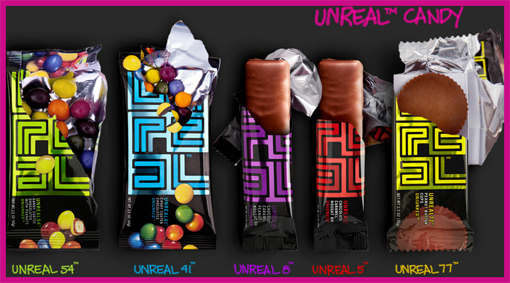
Several months ago, an author known for being a strong proponent of healthful eating wrote an article about a new line of “good” candy bars. You know: organic ingredients, no preservatives, that sort of thing.
The author took an if-you-can’t-beat-em-join-em approach. Candy isn’t going to go away, so let’s make better candy.
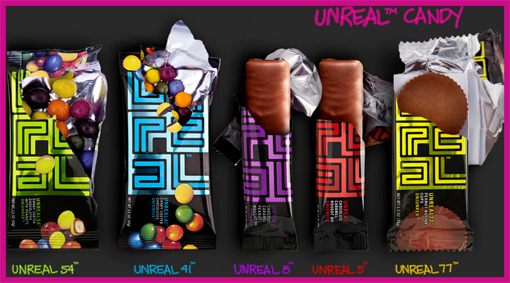
Who makes these healthy candy bars? A company aptly named UnReal. Their idea was to duplicate the top-selling candy bars, using different — better — ingredients.
What’s supposedly good about the candy?
[wlm_private ‘PRO-Platinum|PRO-Monthly|PRO-Gratis|PRO-Seasonal|Platinum-trial|Monthly-trial|PRO-Military|30-Days-of-PRO|90 Day PRO|Stages-Instructor|Schwinn-Instructor|Instructor-Bonus|28 Day Challenge']
Good taste, better ingredients, and improved nutritional value. That translates to being made without chemicals, artificial colors, artificial flavors, corn syrup, hydrogenated oils, or GMOs.
[Let me stop here to ask a dumb question: How would you get GMOs in a candy bar, anyway? Aren’t those typically found in agricultural products? So are we just talking about non-GMO peanuts?]
What else is supposedly good about these candy bars?
They apparently contain less sugar, more protein, more fiber, and — I’m as confused as I can get about this one — real food ingredients. Does it seem contradictory to anyone else to talk about “real food ingredients” and candy in the same sentence?
Please don’t say agave.
As a final benefit, the candy bars are sold in the same places and for the same prices as the standard junk versions. Because that was my primary concern: convenience.
Okay, what’s actually in the candy?
Here’s a list of ingredients from one bar:
Milk Chocolate (cane sugar, chocolate, cocoa butter, milk powder, organic blue agave inulin, skim milk, soy lecithin, vanilla extract), Caramel (tapioca syrup, cane sugar, fructan (prebiotic fiber), organic palm kernel oil, whey, milk protein concentrate, organic cream, vanilla extract, salt, soy lecithin), Peanuts, Tapioca Syrup, Cane Sugar, Organic Palm Kernel Oil, Skim Milk, Peanut Flour, Salt, Hydrolyzed Milk Protein, Evaporated Cane Syrup, Soy Lecithin.
Could you enumerate the health benefits of that list? They escape me, but maybe I missed something.
Readers weigh in
Several people commented on the article, including me. Here’s my comment, and please keep in mind that I was being polite:
“I saw a display of UnReal candy bars at Staples a couple of days ago. Curiosity made me read the label of one bar, and I couldn’t help laughing at the number of sugars in it. As a recovered sugar addict, I certainly didn’t have the guts to try one…. I honestly can’t see how these products could teach children, or anyone else, about the value of fresh, whole foods or steer them in that direction.”
If you’ve read my articles, that comment won’t surprise you, even a little. It’s just me doing my anti-sugar thing again.
The truly surprising thing was the enthusiasm a number of respondents had for the product: “Go, UnReal!” “Bravo!” “Great idea!” “Kudos to UnReal.” Others described their plans to give out the healthy candy bars on Halloween.
And many of the folks who commented positively seem to have kids.
Fortunately, others indicated disapproval of the candy bars and disappointment with the author (“Have you sold your soul to the devil?”).
That made me laugh. A seminar attendee once summed up my attitude as, “Sugar is the devil.”
Well, sugar can, and absolutely does, outweigh whatever benefits a so-called “healthy” candy bar can claim to have — even one with non-GMO peanuts.
My recommendation?
Stop looking for a sugar loophole. If there were one, I would have found it. No one looked harder than I did 🙂
[/wlm_private]
by Joan Kent | Mar 2, 2015 | Engage Your Students, Health and Wellness, Instructor Training, KEEPING IT FUN
My college roommate used to turn down yogurt, saying, “I never eat rotten food.” Now, there may be reasons not to eat yogurt, but the fact that it’s rotten isn’t one of them.
Maybe a better term for “rotten” is fermented. Fermentation is highly beneficial for the digestive system, and we’ll get to that. Meanwhile, how do we know if we should eat rotten foods?
Problems with bloating, gas, acid reflux, constipation and/or diarrhea are a sign. Even problems that seem unrelated to digestion could indicate that gut bacteria are out of balance: skin problems (such as acne), sleep problems, headaches, urinary tract infections, weight gain, and strong sugar cravings.
About 85% of the immune system is in the gut, and gut health affects inflammation, allergies, and autoimmune responses.
Good Bacteria, Bad Bacteria
[wlm_private ‘PRO-Platinum|PRO-Monthly|PRO-Gratis|PRO-Seasonal|Platinum-trial|Monthly-trial|PRO-Military|30-Days-of-PRO|90 Day PRO|Stages-Instructor|Schwinn-Instructor|Instructor-Bonus|28 Day Challenge']
As you probably know, we have both good and bad gut bacteria. The good should outnumber the bad by 6 to 1 (or better). Various environmental factors — pollution, chlorinated water, farming pesticides — may throw off that ratio.
Dietary habits can negatively affect gut bacteria. Such habits include consumption of sugar, alcohol, or artificial sweeteners in diet beverages, diet foods and gum. Processed foods in general wreak havoc on the gut and the immune system by triggering inflammation.
Taking antacids or laxatives can disrupt gut flora and, in a self-perpetuating cycle, actually increase the need for the products.
Use of antibiotics is known to interfere with the gut environment. That applies to antibiotics in any animal products we eat, not just to prescription meds.
So How Can We Fix The Gut?
Eat rotten foods. Fermented foods are powerful detoxifiers that break down and eliminate heavy metals and other toxins. Fermentation destroys pathogenic bacteria and optimizes gut flora, balancing the ratio of good and bad bacteria.
Fermented foods produce enzymes and probiotics that help with digestion and improve vitamin and mineral absorption. Fermentation can actually produce B vitamins (which fight sugar cravings). It also “predigests” foods so they’re more easily digestible.
Fermentation can regulate stomach acid production, increasing production when it’s too low and decreasing it when it’s too high. Fermentation preserves the nutrients in foods and can even increase food storage time and prevent the loss of nutrients.
Many countries have their own fermented favorites. Below are several fermented foods common in the U.S., with many more found worldwide.
– Soy is fermented to make tempeh, miso, or natto.
– Cabbage is fermented to make sauerkraut or the spicier kimchi, a popular Korean food.
– Milk is fermented for yogurt or kefir. Stay aware that flavored versions of these products contain sugar, which would seem to cancel some of the benefits.
– Kombucha is a fermented tea that contains small amounts of alcohol. Some people dismiss the alcohol in it as inconsequential. However, do what you feel is in your best interest. I drank it a couple of times and noticed a liking for it that made me suspicious. I stopped drinking it as a result, but that’s me.
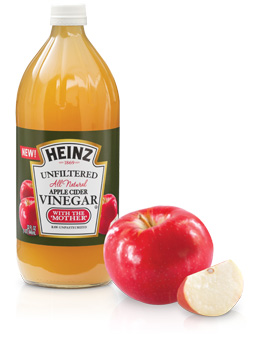
Apple Cider Vinegar
No list of favorable fermented foods is complete without apple cider vinegar. The folklore around it is vast. Old, well-worn books describe apple cider vinegar’s value as both medicinal and preventive with daily use.
Apple cider vinegar contains acetic acid, said to be antimicrobial and antibacterial. Cider vinegar has been touted as beneficial for heart health, weight loss, and even fighting cancer tumors. Some of these claims are inconclusive at best.
A documented benefit of apple cider vinegar, however, is its ability to decrease glucose levels in type 2 diabetics. It offers a similar benefit in non-diabetics. Of course, that fact alone won’t compensate for a diet loaded with sugar and/or refined carbs, but it does suggest that cider vinegar could complement a healthful diet.
Apparently, fermentation rocks. And my college roommate was off-target. Besides, she used to drink wine, and that’s fermented.
I guess the real rotten food continues to be sugar. Ya think?[/wlm_private]
by Joan Kent | Feb 16, 2015 | Best Practices, Engage Your Students, Health and Wellness, Master Instructor Blog

As a nutritionist who coaches many clients with sugar addiction, I find myself talking about willpower frequently and thinking about it a lot.
I used to take a hard line against willpower — or rather, against people’s view of it. On behalf of my clients, I resented those who smirked when the clients reacted to sugary temptations with vulnerability and conflict. “You don’t have to eat it,” they would smirk. I’m not a fan of smirking.
Time and again, I remind my clients of how misguided that smirking view of willpower is.
Would we tell a smoker who’s trying to quit to carry a pack of cigarettes in her purse, and place a pack in the car, in the office and in every room of the house, just to prove she has willpower?
Would we tell someone who’s trying to stop drinking to get a job in a bar or hang out with his drinking buddies while they party, just to prove he has willpower?
So why do we expect someone going for weight loss to sit in a room full of brownies and jellybeans and not take a bite?
If your goal is to lose weight, the only thing you have to do is lose weight. You don’t have to show you’re a tower of strength. Keep tempting foods out of the house so they don’t challenge your willpower.
The tower-of-strength willpower view is misguided at best. It typically comes from people who don’t understand sugar addiction or why someone may have trouble resisting sugar that’s readily available.
But have you noticed a shift lately in the attitude toward willpower?
I remember motivating slogans. Things like, “Willpower is a muscle. The more you use it, the stronger it gets.” Things like, “Where there’s a will, there’s a won’t.”
The slogans seem inspiring — but they can make someone feel like a failure for not exerting willpower in certain situations.
Willpower 2015[wlm_private ‘PRO-Platinum|PRO-Monthly|PRO-Gratis|PRO-Seasonal|Platinum-trial|Monthly-trial|PRO-Military|30-Days-of-PRO|90 Day PRO|Stages-Instructor|Schwinn-Instructor|Instructor-Bonus|28 Day Challenge']
The new view of willpower is that it’s finite, and actually in short supply. It’s now considered a conscious state that’s strong early in the day but diminishes as the day wears on. Apparently, it’s not a muscle that strengthens with use. It runs out because of something called Decision-Making Fatigue.
The more decisions we have to make over the course of the day — choosing between a donut or egg whites for breakfast, skipping a muffin at the morning meeting, avoiding dessert at lunch, ignoring the tray of cookies in the snack room at 3:30 p.m. — the more difficult it becomes to say “no” when we get home at night.
So is willpower a lifestyle habit that can be developed and strengthened? Or is it a limited resource that has to be meted out and saved for the moments it really counts?
And I wonder whether the limited-willpower viewpoint reflects rising obesity rates. Is it an attempt to explain them?
I’ll boldly go where no one seems to be going. Could this new Law of Diminishing Daily Willpower have anything to do with the fact that sugar is everywhere, and in everything?
Because sugar is everywhere, it’s an external trigger, making us want the goodies we see or smell. Cinnabon, anyone?
Because sugar’s hidden in everything, it’s an internal trigger, changing brain chemistry and priming us to eat more.
If sugar didn’t run our food industry, maybe we’d have stuck with the old view of willpower. It was around for a long time. I recall hearing those “inspiring” sayings before the obesity epidemic.
Maybe sugar is the reason for diminishing willpower — and the change in viewpoint about it.
Maybe. But I still say you don’t have to prove you’re a tower of willpower to get your nutrition goals. Set things up so you can win and just get them.[/wlm_private]
by Joan Kent | Feb 9, 2015 | Health and Wellness
Sugar is big nutrition news these days, and sugar addiction is getting the attention it deserved a long time ago when only a few nuts (like yours truly) were talking about it.
I searched recently for the mainstream “wisdom” on getting rid of sugar cravings. The suggestions I found display a poor understanding by the various authors of what makes us crave sugar.
Below are some of those suggestions, and why I doubt their effectiveness. Of course, almost everything will work for some people, but as a rule, these aren’t things I’d recommend to my clients.[wlm_private ‘PRO-Platinum|PRO-Monthly|PRO-Gratis|PRO-Seasonal|Platinum-trial|Monthly-trial|PRO-Military|30-Days-of-PRO|90 Day PRO|Stages-Instructor|Schwinn-Instructor|Instructor-Bonus|28 Day Challenge']
- Turn your attention to something else. This approach is a good match for the next one on the list.
- Change the scenery & take a walk. Whoever proposed these two solutions thinks cravings are “all in your head”, so the solution must be to focus your thoughts on something else.
- Talk to a friend. If you believe that a sugar craving is an emotional phenomenon, this suggestion seems reasonable. It’s less reasonable if you look at the physiological side of cravings.
- Meditate. If you think cravings are the result of a way of thinking or feeling, or a result of stress, this may seem reasonable. And it can change brain chemistry, so it could work.
- Avoid stress. Of course, that sounds fantastic. Who wouldn’t want to avoid stress? But it’s not always realistic. Besides, what if you’re already stressed? What do you do then?
This advice also doesn’t distinguish a craving from the urge to eat. That urge to eat when stressed may actually be an inborn reaction. Even animals do it. It’s not always the same thing as a craving.
- Drink water. This is ALWAYS good advice. But a craving isn’t necessarily the result of dehydration. Thirst can be mistaken for hunger, and, apparently, the urge to eat is sometimes mistaken for a craving (see “Avoid stress” above). But they’re not really the same.
The following suggestions might be effective temporarily, but could backfire in the long run.
- Eat a little of the craved food, then divert your attention. This shows a misunderstanding of the neurochemical effects of sugar. Yes, eating sugar will take away the craving — after all, you’re eating what you craved. But it will probably come back later with a vengeance. And if you eat sugar and the craving goes away, why would you even need to turn your attention to something else?
- Eat the craved food, then something healthful. Sorry, you’ll never convince me that sugar cravings will be “cured” by eating sugar plus kale. The craving will return big-time later, and the sugar may make kale (or other healthful food) seem unappealing.
- Eat a decadent, delectable version of the craved food and savor it. How slowly and voluptuously you eat the food has nothing to do with eliminating the craving. Eating sugar will always stop a sugar craving — but that’s short-term at best.
- Eat fruit. As if fruit isn’t sugar. If you recognize that it is, this suggestion is the same as the rest of the food suggestions above.
My recommendation is to treat a craving like what it truly is: a neurochemical phenomenon. Since it’s neurochemical, it’s physiological. Would we tell someone to get rid of the flu by changing the scenery? By diverting her/his attention? Those are good things to do, but they might not be an effective answer to a physiological problem.
In a previous post, the causes of sugar cravings were described, and all were neurochemical.
Addressing neurochemistry may be a better way to fix a neurochemical problem. Use liquid B-complex, suggested in a previous post, for short-term relief. (It really works.) Change your diet for a long-term cure. (It really works.) Get a coach for ongoing support, because those two suggestions can be easier said than done.
Coaching really works.[/wlm_private]
