This Podcast is was originally published on January 17, 2009, I have updated it with our new Podcast host information and I am representing it now. I hope you enjoy it, Joey
Dr Alinda Perrine joins me again! We discuss introducing Heart Rate Training to your Indoor Cycling Class and announce the formation of a NuMetrex Instructor Panel. One of the Instructor "testing" opportunities I was hinting about.
Alinda is the Celebrity Coach for NuMetrex and and creator of ZoneX™ Sensible Heart Rate Training.
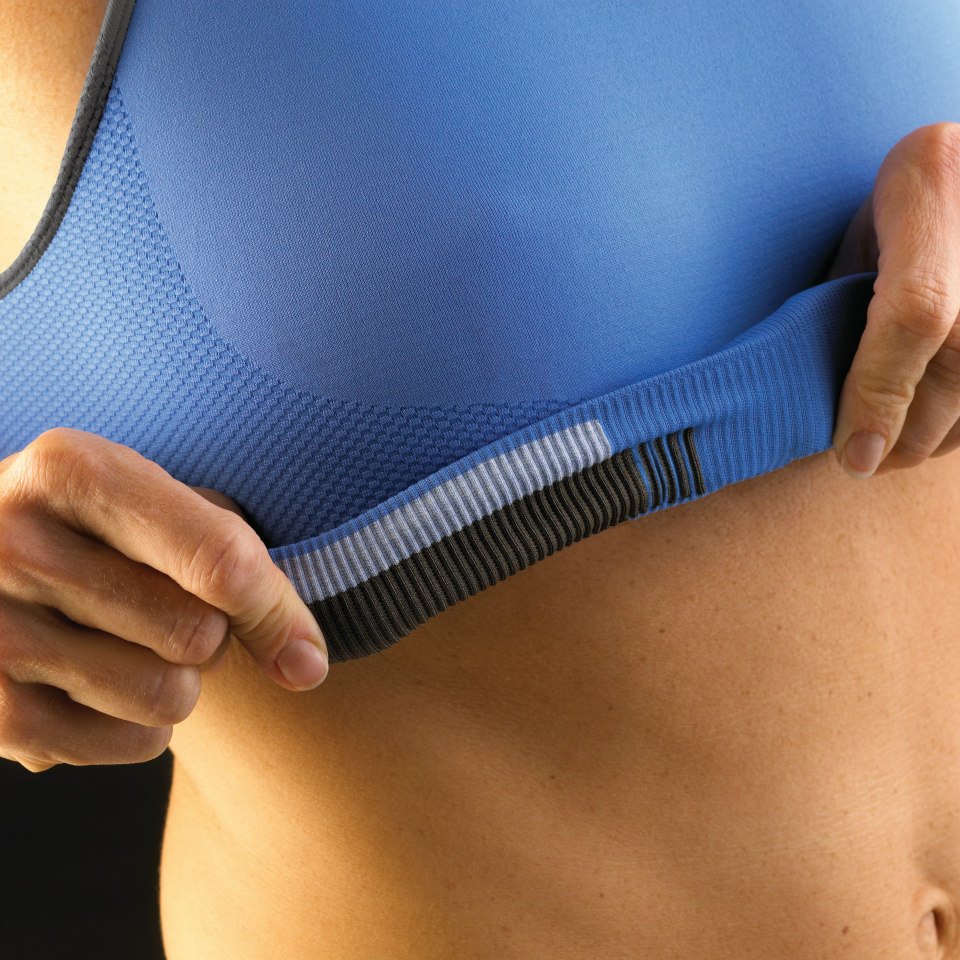
About NuMetrex Strapless Heart Rate Monitor Clothes -from their site -The NuMetrex line of heart rate monitoring athletic apparel uses innovative “smart fabric” technology that incorporates special sensing fibers directly into the fabric of its garments. Replacing the hard plastic chest straps that rub and chafe against the skin, NuMetrex offers a comfortable alternative with form-fitting shirts and sports bras that sense your pulse and transmit it to a compatible wristwatch or exercise machine.
Links mentioned in this episode: Check out Alinda's informative Sensible Group Cycling, a two part series on teaching Indoor Cycle Classes using Heart Rate Monitors. Part 1Part 2 and all her other articles on fitness and Heart Rate Training @ www.NuMetrex.com/coachscorner
Information about how you can be part of the NuMetrex Instructor Panel will be sent out to members of our community on Sunday January 18th. If you haven't joined yet, its as easy as entering your First Name and email in the box on the right side of this page.
Jan 20th update! All the panel spots have been filled. Look for the followup Instructor Panel Discussion Podcast on February 28th.
Listen to the Podcast below or subscribe using iTunes or Zune.
Do you have noise problems / complaints from neighboring businesses? Have you changed class times or cancelled classes to keep the peace with another class in your club? This maybe a solution…
Message from Facebook this morning:
Hi there!
My name is Naomi and I have a summer internship at N2Shape My boss has recently given me a project to implement headset use in all spinning classes as there have been noise complaints in the studio we use. She wants to have it so in addition to the instructor having a headset, all people in the class have wireless earphones or headphones as well so that they can hear the music and the instructor. I have been looking online at a couple different websites such as Iqua Products, AV Now, Amazon, etc, to get ideas but it seems that most places only sell transmitters for the instructor headset. My boss told me you guys have a lot of information regarding spinning and I thought I'd contact you for help! Thank you so much in advance!
My response was easy:
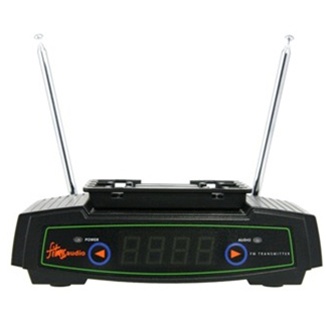
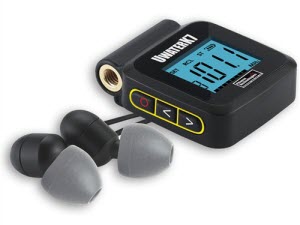
Hi Naomi – thanks for your question. We actually did this back in the late 90's when we first added Spinning classes. What you need is a FM transmitter like this http://www.avnow.com/WES_FM_Broadcast_System_p/wes-t-fm.htm and then have everyone tuned in with a FM radio receiver (old walkmans were FM) – your folks will need to dig into the back of their junk drawers.
Is that enough to get you going?
John
Back in the day (mid 1990's) when our club first introduced Spinning® classes, they employed this exact system. They had installed 24 Schwinn Johnny G Spinners (the original version) in a secluded corner of the fitness floor. A loud sound system with speakers was out of the question, so the Instructor's mic and music played through a FM transmitter. Everyone wore headphones connected to a Walkman tuned to the correct FM radio station.
This transmits both your music and voice to FM radios near by, tuned to the correct station.
Surprisingly it worked well. As long as you hadn't forgotten to turn off your Walkman the day before and were now scurrying around the club, looking for a pair of AAA batteries.
Talking between members was never a problem and there were no volume complaints with everyone having control of their own levels. The effect of having the Instructor's voice delivered directly into our heads was quite intimate as I remember. I'll never forget the classes lead by a particularly instructor (she's still an active Instructor and ICI/PRO member) who was very “breathy” in her class presentation 🙂
Working under the “everything new was once old” school of thought, could this be something you could offer in your studio? I'll bet if you asked, you'd find many of your members have an old Walkman shoved in the back of their junk drawer at home. Or you could buy a bunch to have for rental.
This Podcast is was originally published on December 13, 2008, I have updated it with our new Podcast host information and I am representing it now. I hope you enjoy it, Joey
Minneapolis was the last stop on the Global Ride Tour. It was at Pedal Indoor Cycling Studio a wonderful private studio in NE
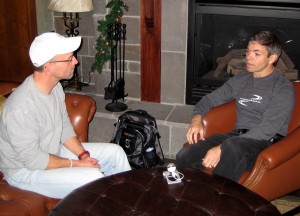
Minneapolis. The studio's owner Maryjo Hackett made everything work on short notice. I had a chance to sit down and hear from Spinning Instructor Gene Nacey about his two week, 9,500 mile road show. Gene was telling me that he has been editing and uploading videos to YouTube while they drove between towns. I felt a little competition brewing so I wanted to get this up before he got on the airplane this afternoon.
Listen to the Podcast below or subscribe using iTunes or Zune.
This Podcast is was originally published on December 3, 2008, I have updated it with our new Podcast host information and I am representing it now. I hope you enjoy it, Joey
I met Gene Nacey, the founder of Global Ride, LLC, at the Heart Zones Convention last month. Gene premiered one of his new Virtual Ride DVD's during an Indoor Cycling Class. What's unique about these DVD's is that you can teach to them. I had a chance to talk with Gene during a short break in his “Nationwide Global Ride” promotion tour.
You can follow along with Gene's tour at his blog Here
Listen to the Podcast below or subscribe using iTunes or Zune.
This Podcast is was originally published on November 26, 2008, I have updated it with our new Podcast host information and I am representing it now. I hope you enjoy it, Joey
Keiser Cycling Master Trainer Suzette O'Byrne and I discuss their M3 Indoor Cycle and it's unique magnetic resistance system. Suzette also describes the focus of their Indoor cycling certification and module based continuing education programs. You can find Indoor Cycling Certifications and Workshops here.
You heard it here first!
I think Suzette gave me my first “news scoop“. Keiser Cycling is planning to announce a correspondence (home study) certification course by the end of the year. Listen to the Podcast for the details.
Welcome to the Indoor Cycle Instructor Podcast | ICI/PRO Premium Education free podcast. This episode was recorded live in San Diego CA by Amy and Joey while at the 2019 IHRSA Event. This episode is a general commentary on the show and a brief rundown of the people that we connected with at the show. We will have several more indepth episodes with Amy and Joey and then several episodes with the indiviuals and their companies throughout the year.








 Welcome to the Indoor Cycle Instructor Podcast | ICI/PRO Premium Education free podcast. This episode was recorded live in San Diego CA by Amy and Joey while at the 2019 IHRSA Event. This episode is a general commentary on the show and a brief rundown of the people that we connected with at the show. We will have several more indepth episodes with Amy and Joey and then several episodes with the indiviuals and their companies throughout the year.