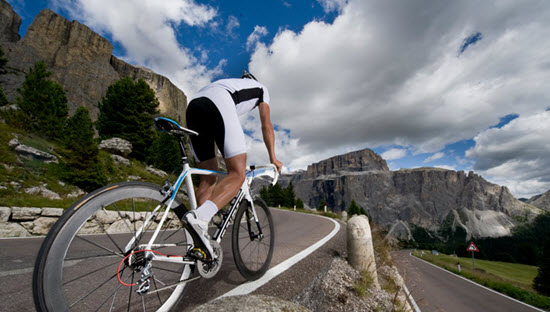
Long climbs have you bumping up against your power ceiling.
I prefer to limit the mathematical computations many Instructors typically ask of their classes. For example you'd never hear me say;
“now I want everyone at 85% of their FTP” or… “this next interval is 30 seconds in Zone 5B which is 103 to 106% of your LT/AT heart rate followed by 2 minutes in Zone 3 = 90%-93%”… everybody got that? Then let's GO!!!
I'll admit that part of this is due to my phobia of math. It's also because I recognise that there are a wide diversity of personalities riding in front of me. Sure, I've got a few engineers who could probably spit out the square root of their FTP between pedal strokes if you asked, but it's my impression that the majority of folks in your class would prefer that you leave the math for times when they have a calculator handy 🙂
Just this past Sunday I had two women in my Performance Cycle class cheer when I mentioned that I wouldn't be requiring any percentage figuring that morning.
But we still need to communicate intensities, right? That's where establishing Floors and Ceilings comes in. They're simple concepts everyone will understand – we all know what's below a floor or when we're up against a ceiling!
Master Instructor Dennis Mellon using this same Floors and Ceilings concept in his classes, except a little differently. We discuss how we each use them to (hopefully) communicate effectively, in this ICI/PRO Podcast episode.
[wlm_private ‘PRO-Platinum|PRO-Monthly|PRO-Gratis|PRO-Seasonal|Platinum-trial|Monthly-trial|PRO-Military|30-Days-of-PRO|90 Day PRO|Stages-Instructor|Schwinn-Instructor|Instructor-Bonus|28 Day Challenge']
Please let us know your questions.
You can read more about using VT1 Aerobic Threshold and VT2 Anaerobic Threshold to create easy to understand Floors and Ceilings here.
UPDATED 9/14 – We are no longer recommending the company involved in this podcast. When we renewed this month we were told we could no longer add an “additional insured” to Amy's policy unless we paid an extra $155.00. This is totally ridiculous in our eyes and we have gone back to Markel Insurance for Amy's liability insurance.
Indoor Cycling is experiencing a boom, with new bouquet studios popping up pretty much everywhere. This is great because all these new studios = more places for us to teach. But there's a small catch. Many of these new studios hire Fitness Instructors as independent contractors, not as true employees, but it shouldn't scare you away from teaching there.
There are multiple advantages for teaching as a self-employed contractor (you may be able to expense your fitness clothes and mileage) and a few disadvantages. The biggest being there's a very good chance the studio's general liability insurance won't protect you if someone gets hurt and sues you personally for millions of dollars 🙁
Professional Liability Insurance is designed to protect Instructors (you) and your family's financial assets, in the event that you're sued by a client. Many fitness businesses require contractors to have their own policy.
In a previous post; Low Cost Fitness Instructor Professional Liability Insurance I explain where I found a great deal (saved us $58.00) on an annual policy for Amy. I contacted the company for someone to interview and they provided Coleen Kelly, their Vice President Program Management for Aon Affinity and HPSO — Healthcare Providers Service Organization where we purchased Amy's insurance. This is no longer the case 🙁
Listen to my interview below (sound quality is low as we couldn't use Skype) and if you have additional questions you can call HPSO's info line 1.800.982.9491
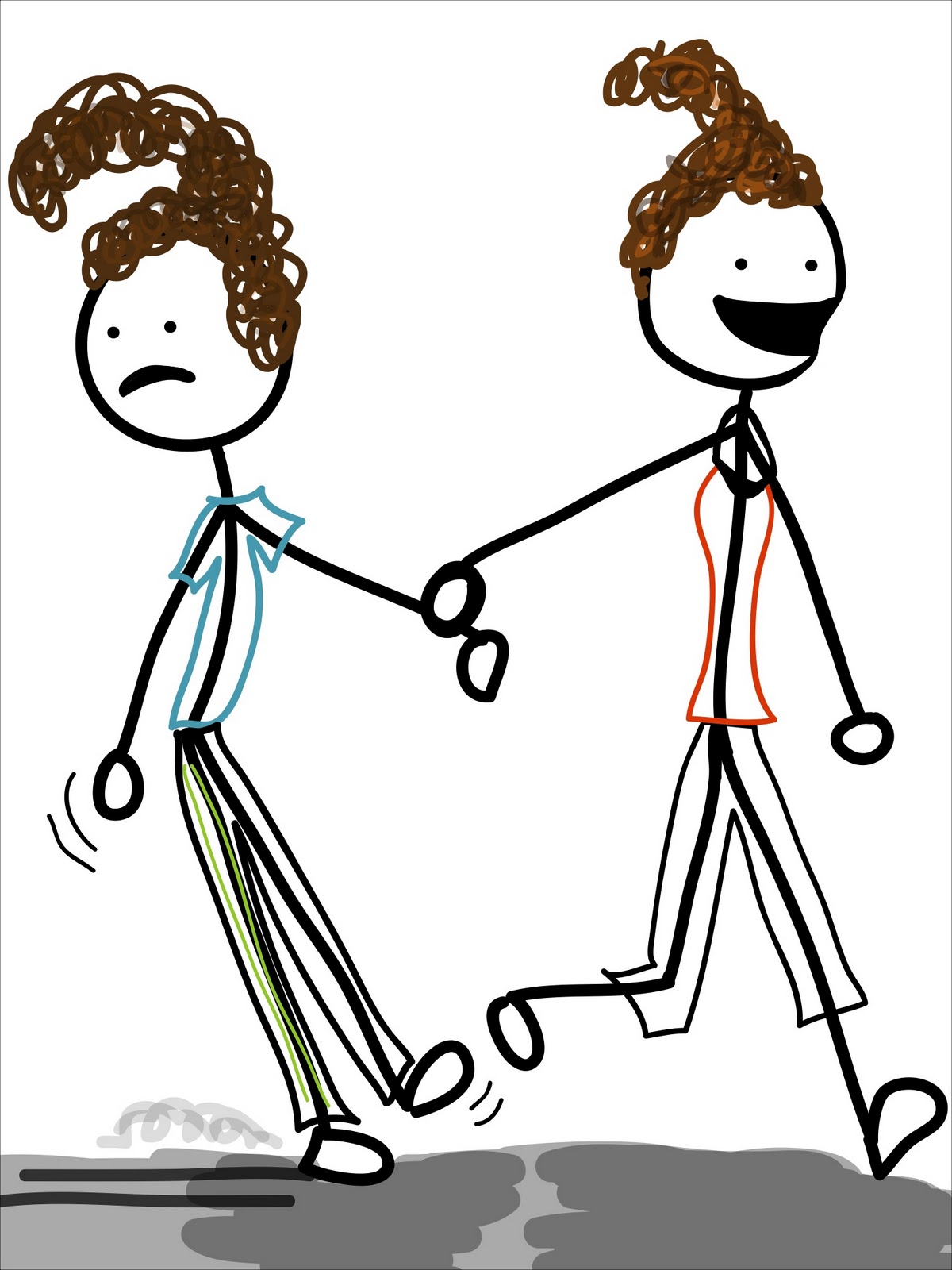
When I was back in Canada last month, my sister, known to all just you guys as GymSis, could not wait to take me to her gym. And since I had inspired her with the posts here, here, here and here, she felt compelled to drag her younger sister to her spin class. Oh joy.
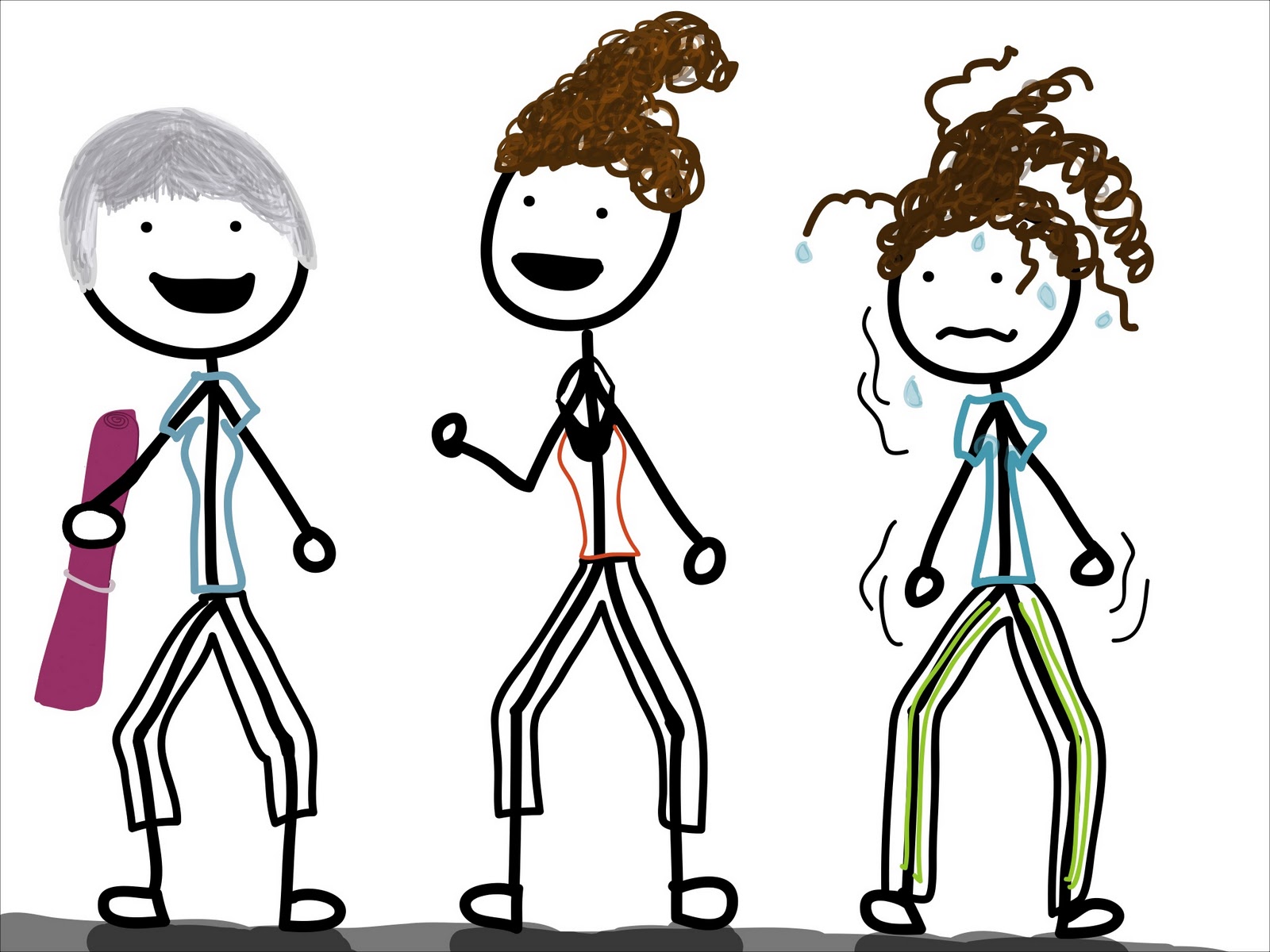
People say we look like twins, but I don't see it.
She was kind enough to bring me a water bottle (courtesy of ChatterNephew). Oh hey, can we talk about this water bottle for a minute? I struggle with these in general. I avoid wide-mouth bottles when I can because I end up looking like I have a drinking problem.
No, like a physical problem.
I tend to do best with the adult sippy cup, a.k.a. the CamelBak water bottle. You just bite… and sip! (Anyone else hearing the “Bend and Snap”?)
I think we could all agree that I would be Paulette in this scenario.
Don't get me wrong, the *bite and sip* is awesome. But it did not prepare me for the fancy Contigo bottle. You have to push a button under the lip of the bottle that retracts the top so you can drink. There is a timing issue that GymSis had to explain to me after I may or may not have spilled everywhere: you let go of the button before you take it away from your mouth.
Well when you explain it that way…
Ok, back to the class. We chose our bikes and hopped on; GymSis found one with a fancy, sparkly red seat.
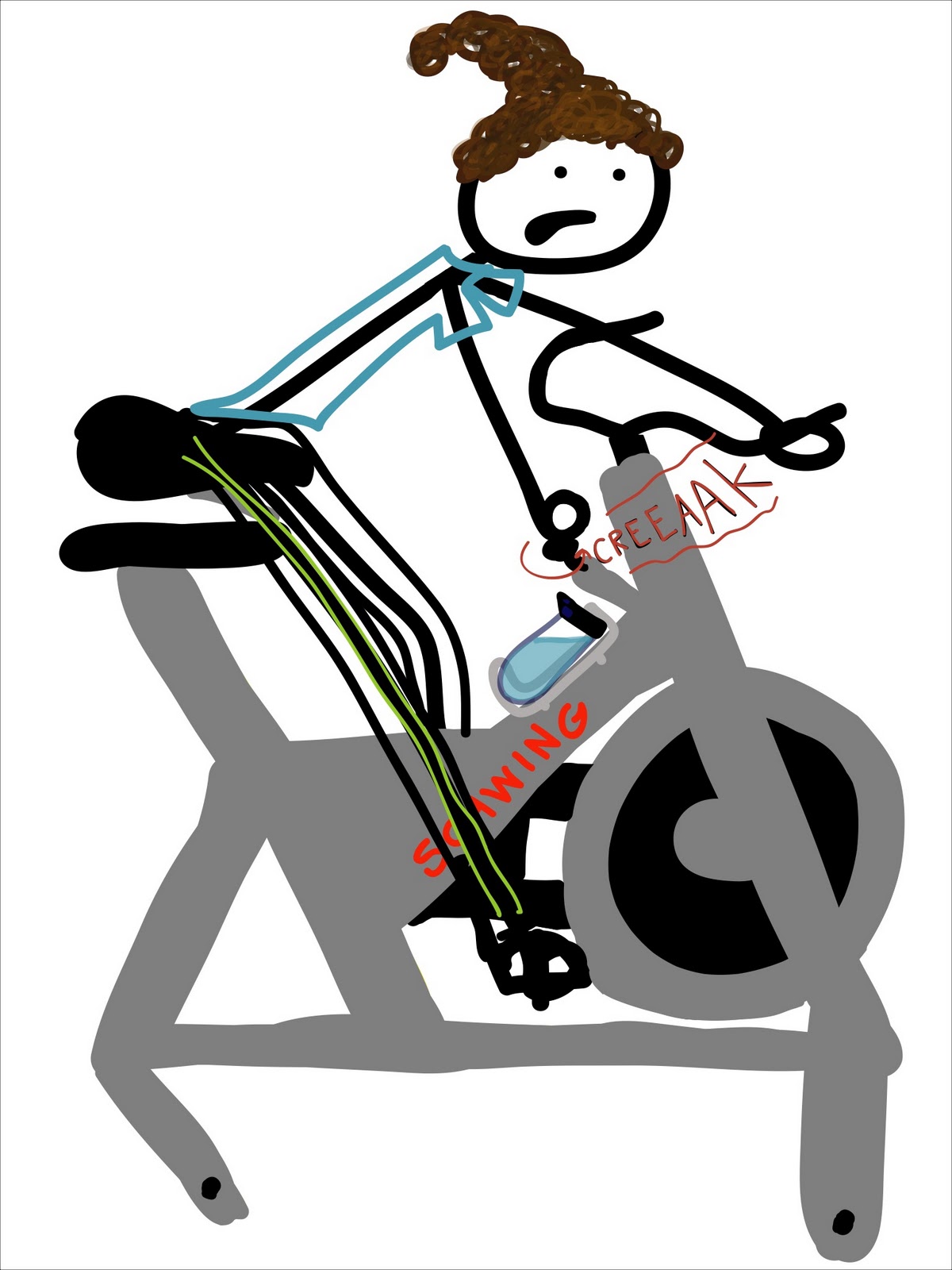
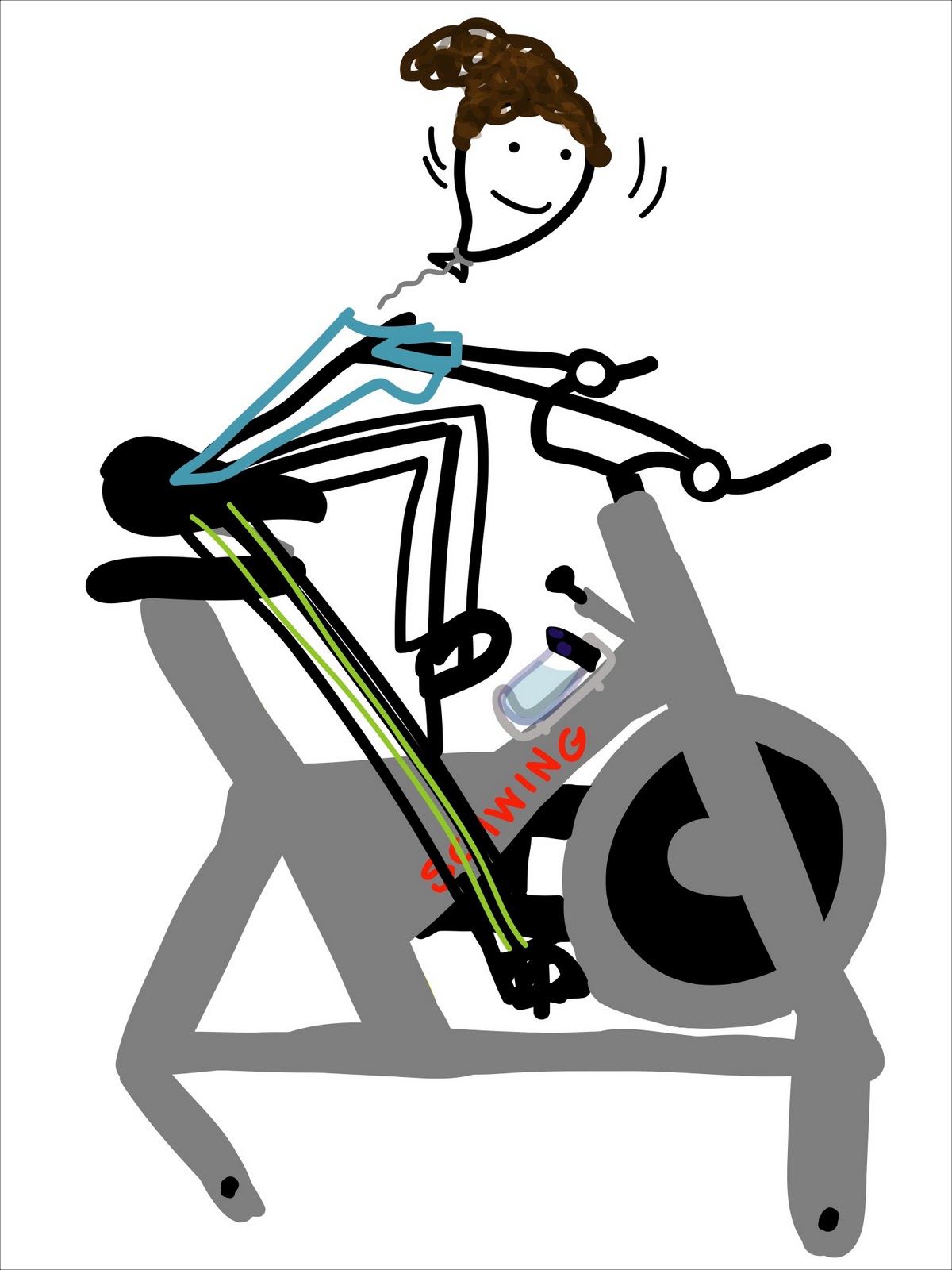
The bikes were on the older side, so the tension knobs were a little off. I would turn and turn and turn, spinning tension-free. Then suddenly I would just jerk to a halt.
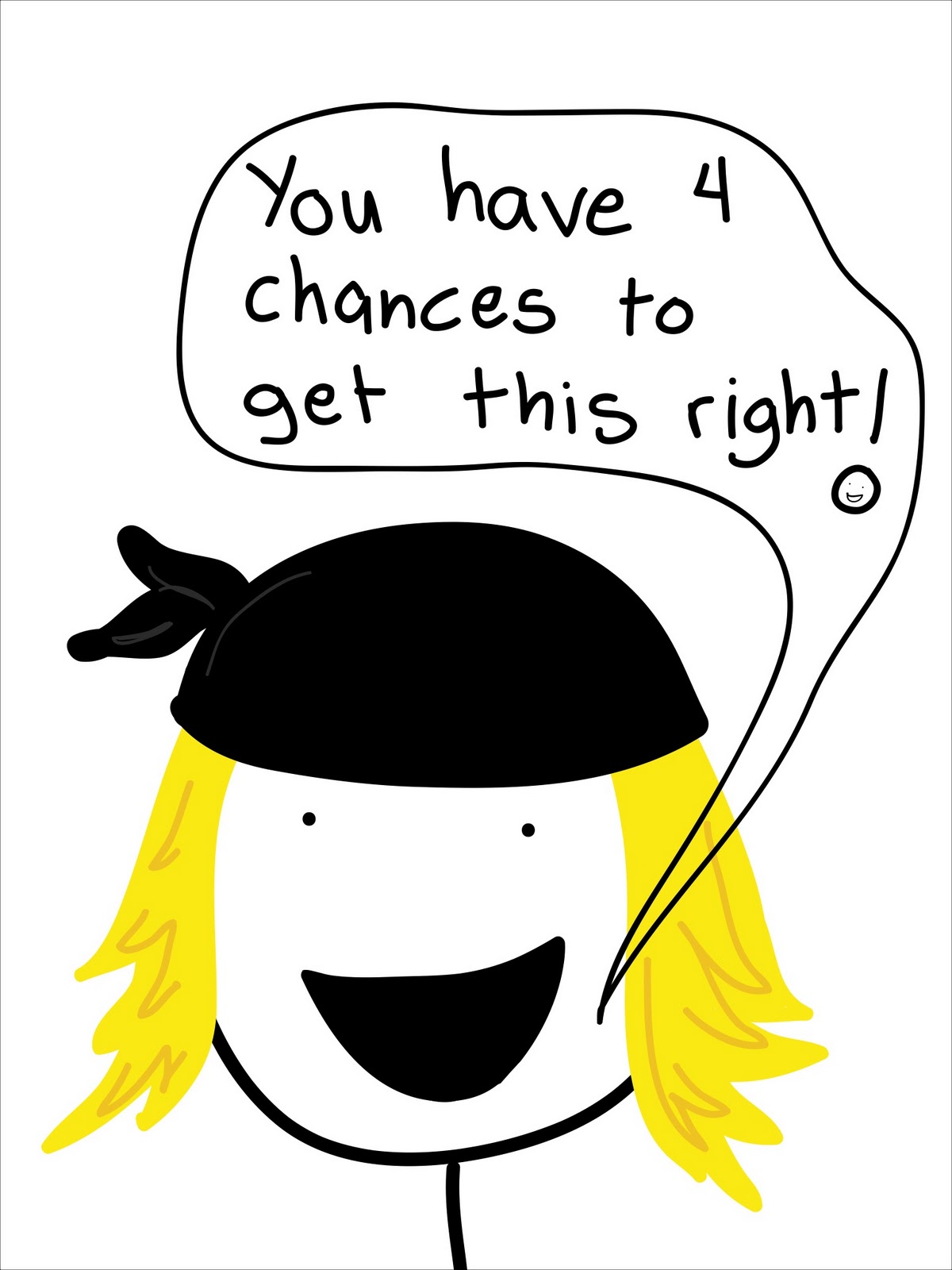
Once the class started, the teacher (her name was Natalie) always had lovely motivational phrases, such as:
And:
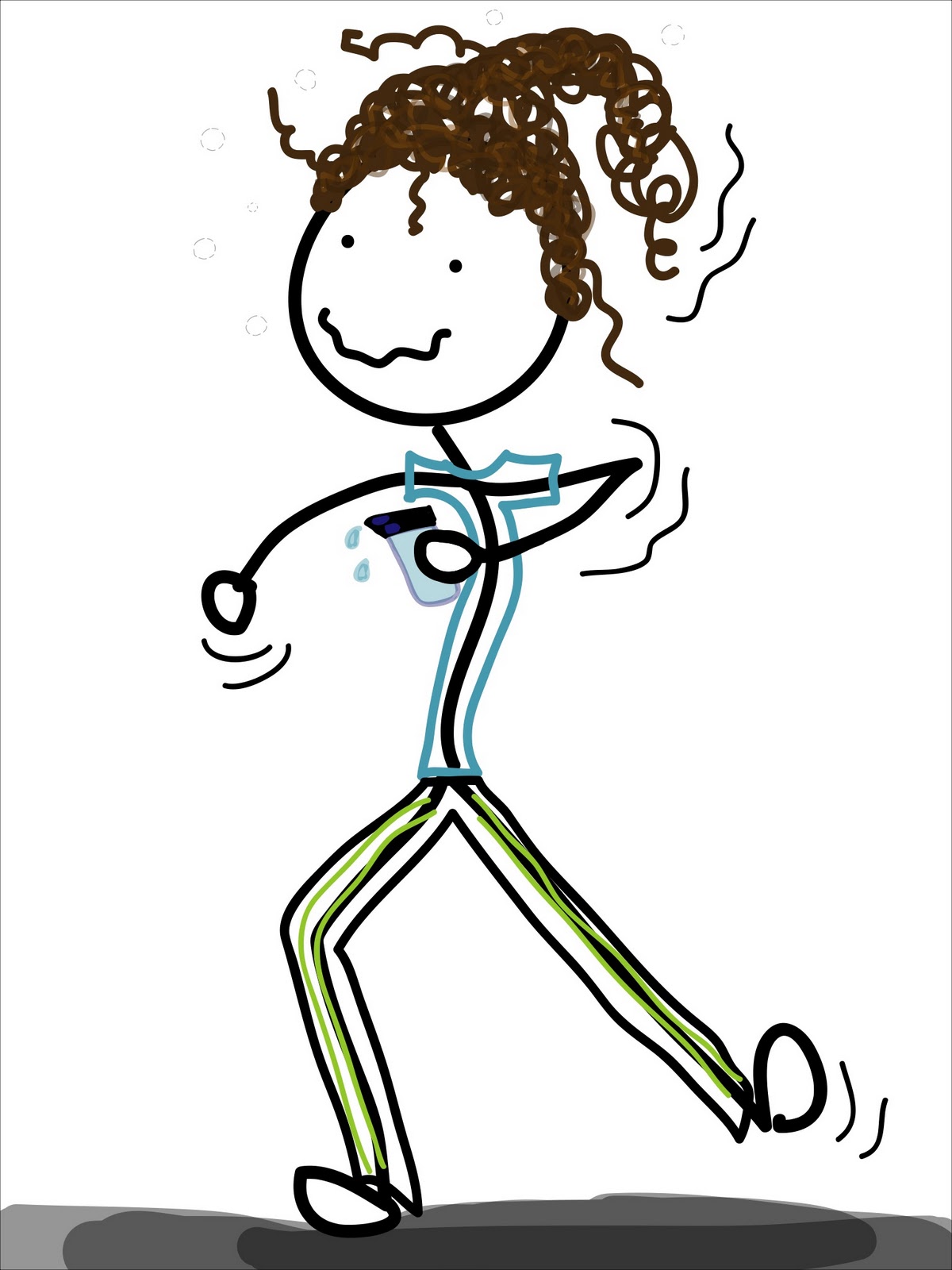
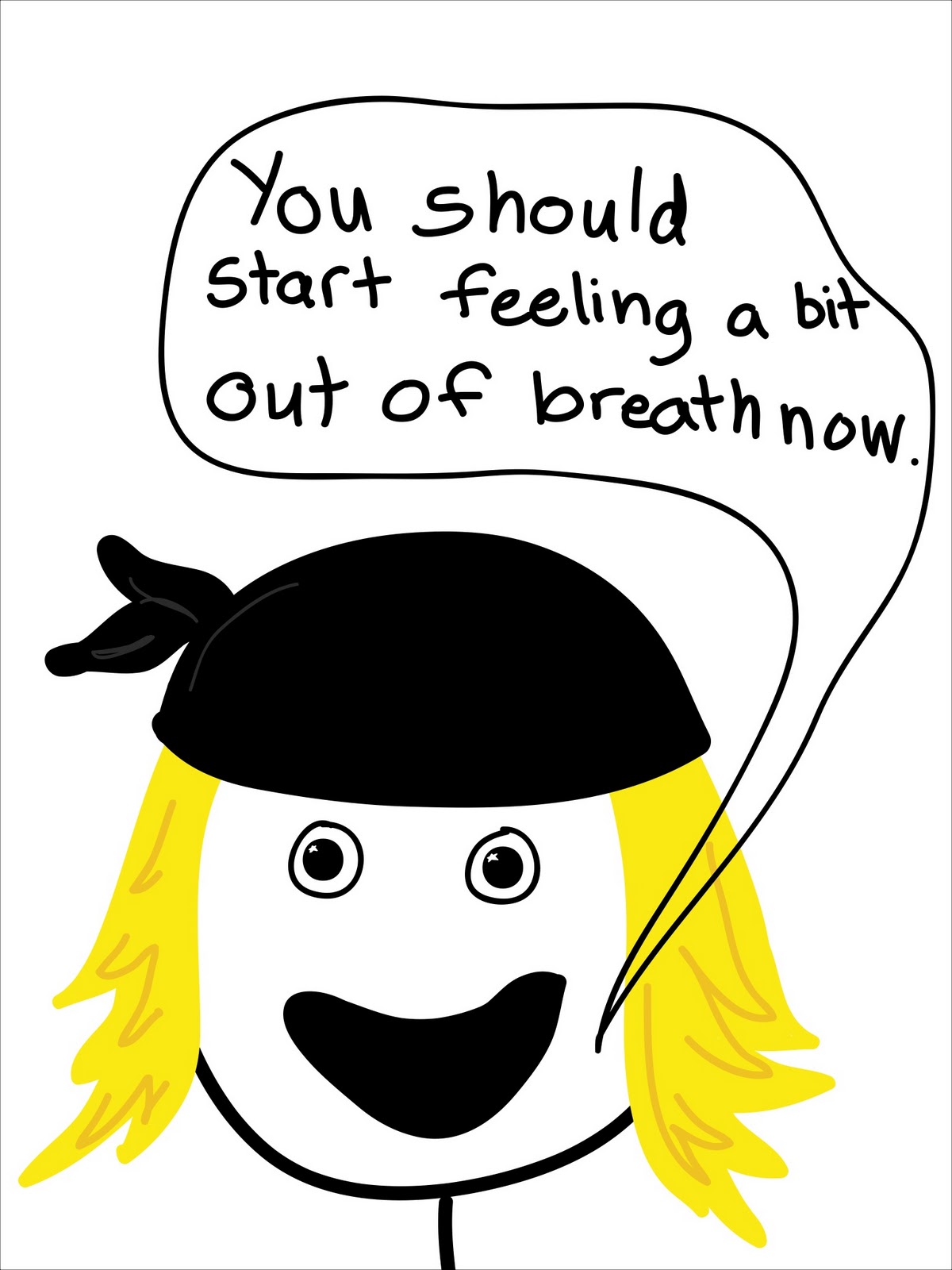
Start?? Really, Natalie? I think that happened when I sat on the bike. I was definitely a level beyond ‘slightly breathless'.
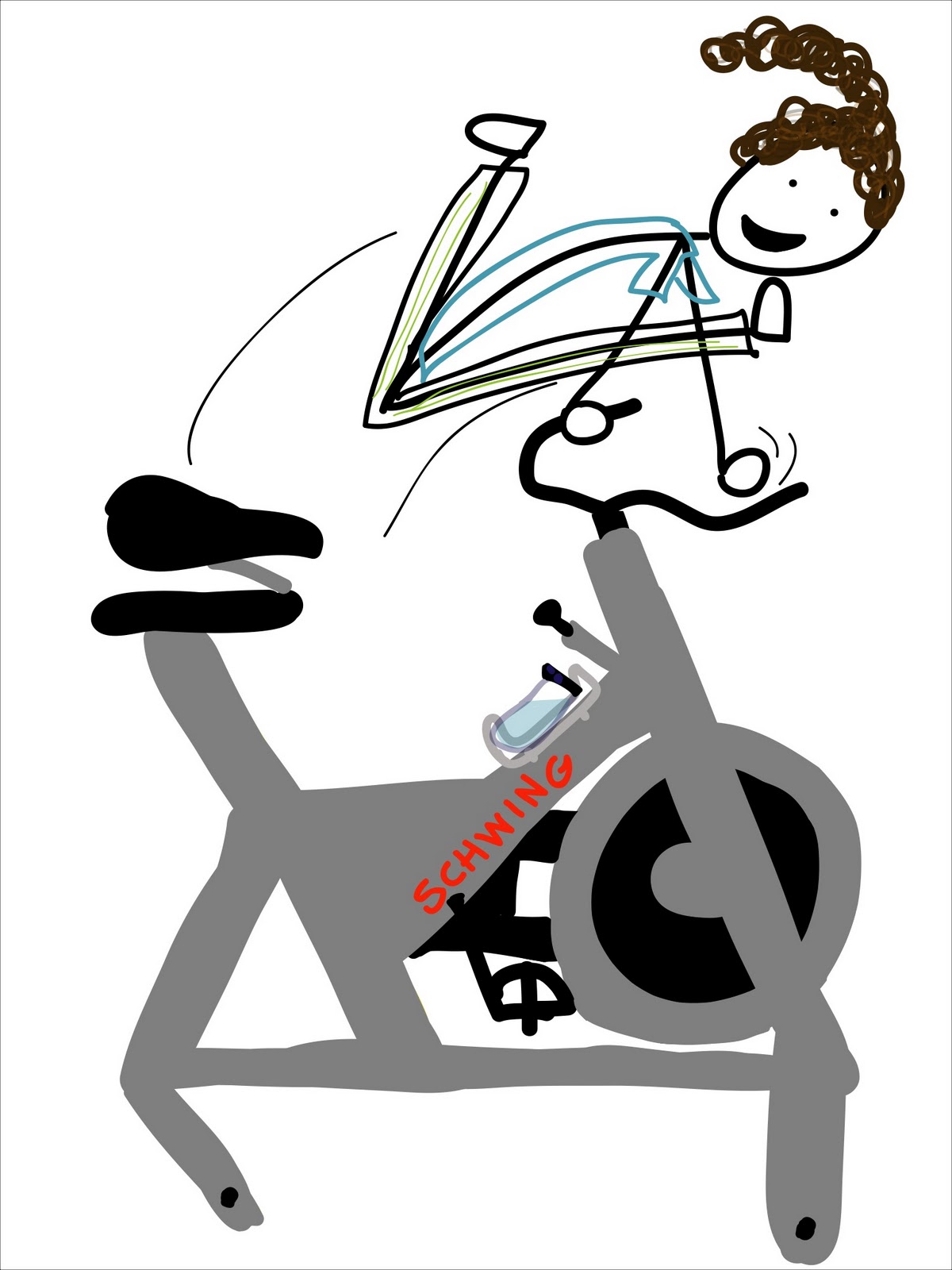
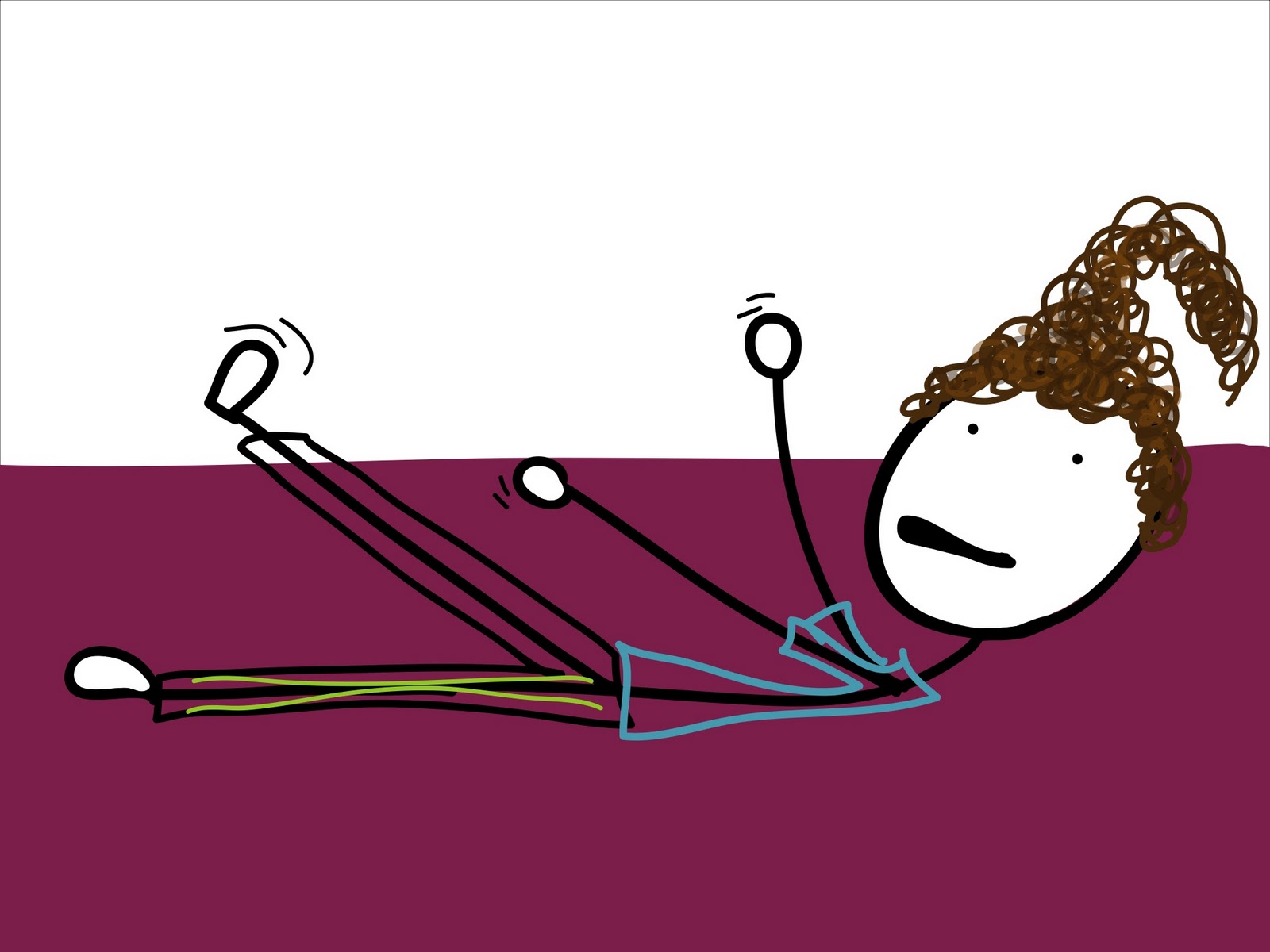
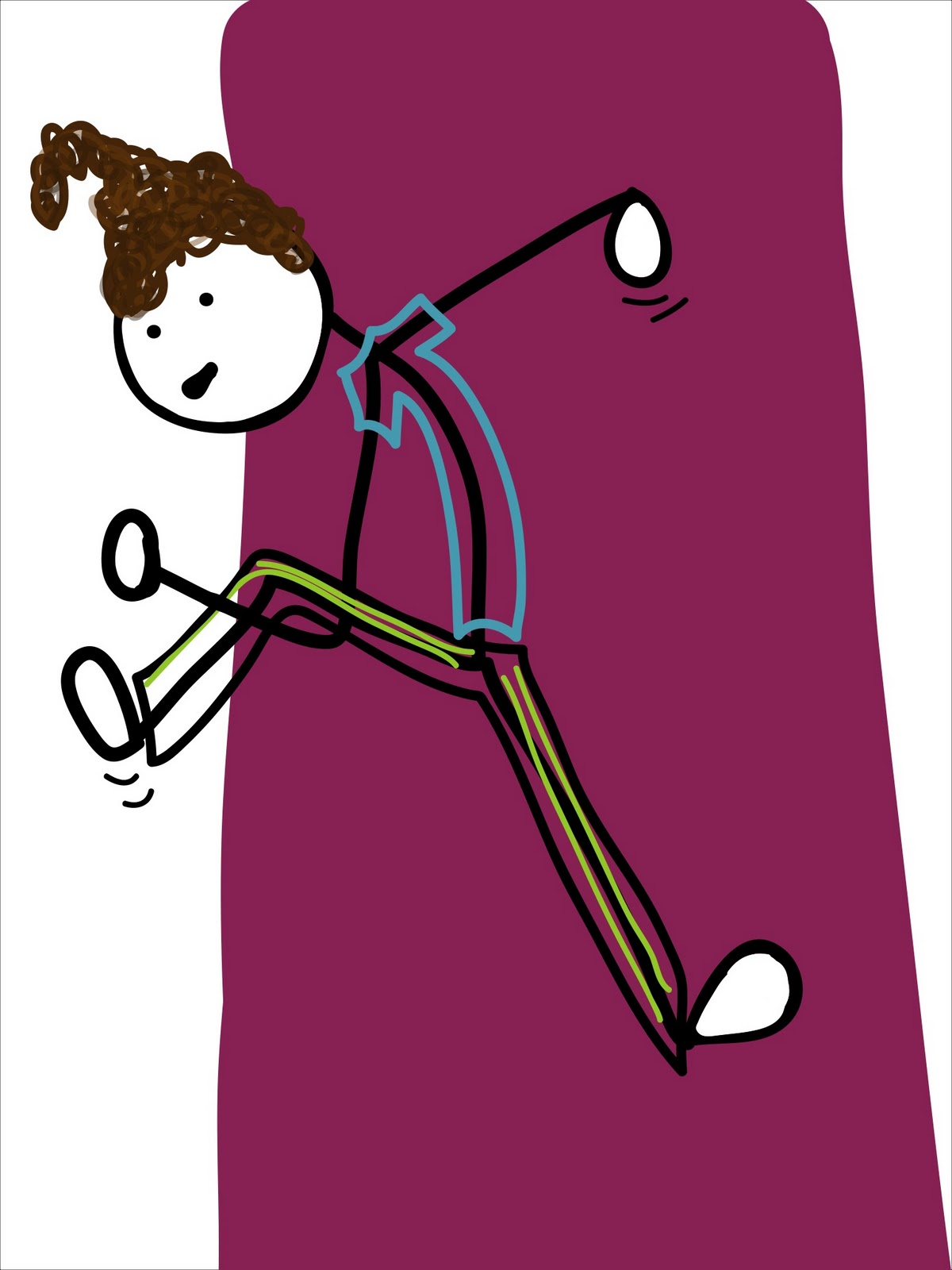
I got to try something new in this class: jumps. Natalie was once again very um, uh, motivating.
Side note: While talking about this later with my mom, she couldn't understand how we performed that maneuvre without hurting ourselves.
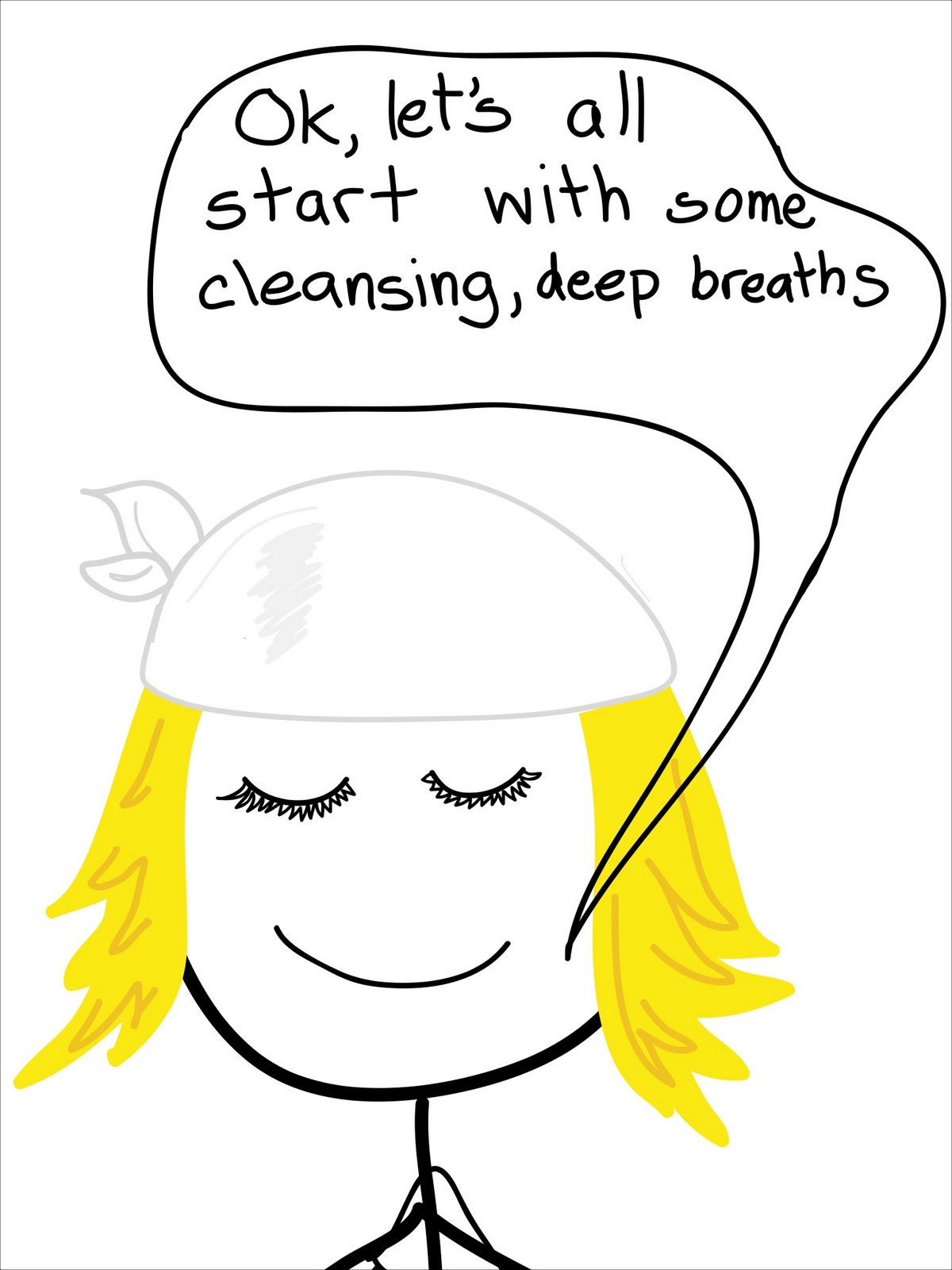
After surviving the ride, GymSis took me downstairs to meet our mom for a nice, relaxing BodyFlow class.
Imagine my surprise when I saw the instructor.
(That white scarf did not fool me.)
The class involved some tai chi,
some pilates,
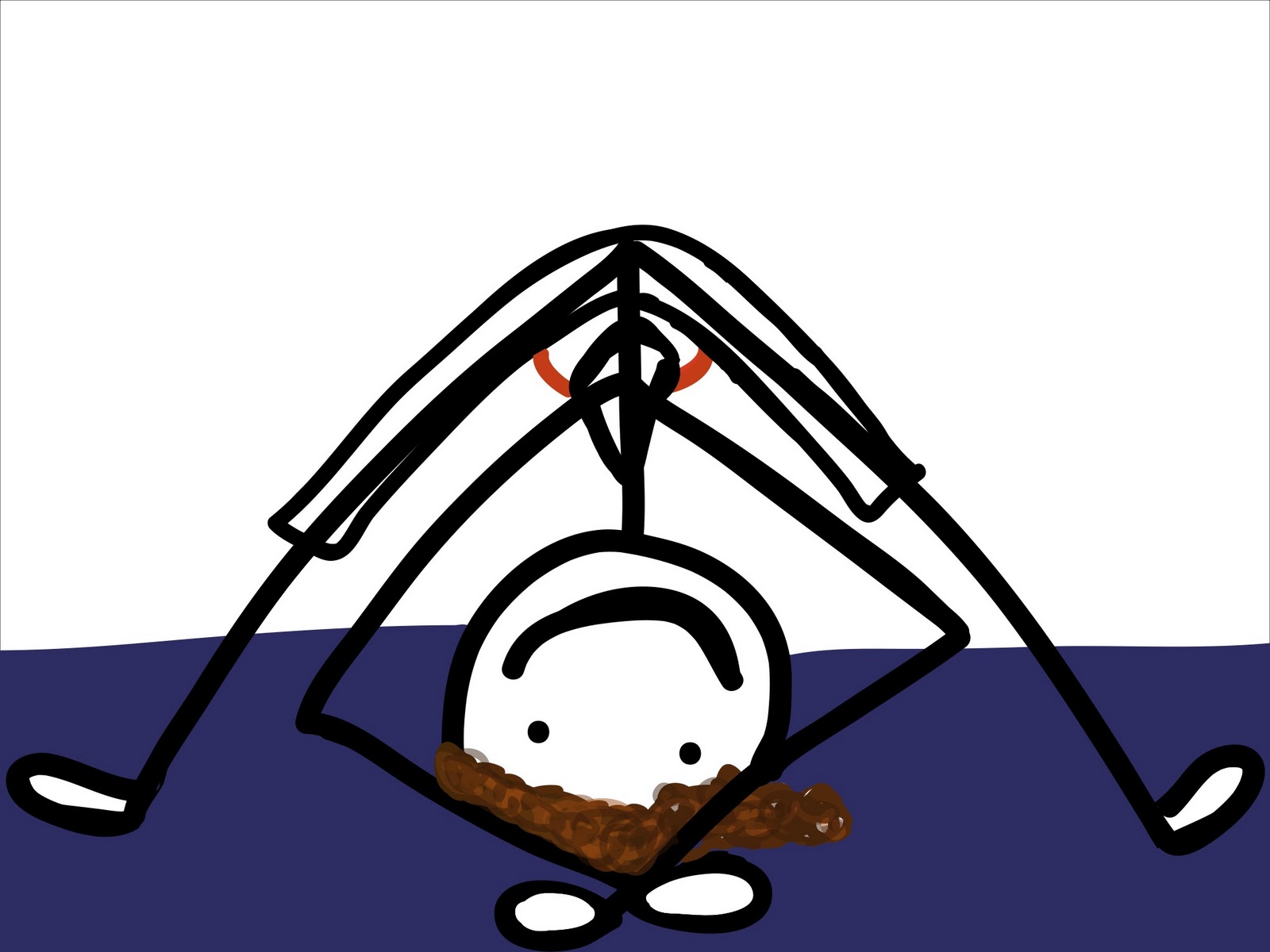
and some yoga.
GymSis' bendiness is so impressive!
Hmm? What's that? Where's *my* yoga pose, you ask?
DON'T FORGET, you can go to my Zazzle store to buy your favourite TRI-ING TO BE ATHLETIC picture on a shirt, tote, mug, bumper sticker, or tech decal! There are lots of shirt styles and colours so look around. Let me know if you have any questions or requests 😀
Seven minutes of climbing is just what your class needs this week and LCD Soundsystem's newest track will help you and your riders make the most of it. After getting back together, the band has come out with two new releases. Many of their songs are on the longer side, so they work well for steady climbs or flat roads. I'll be using this one as a seated climb:
If you are a data-geek, you’ve stumbled onto the right blog. If you love learning about the science behind your training, you should find these posts pretty interesting. If you’re the type who likes to not only know what, but has to know WHY training is prescribed in one way rather than another, your “show me” approach to training should be appeased in our Evidence Based Cycling.
However, if you just like to ride, and not worry about heart rate, not care about your power to weight ratios, could care less about threshold & VO2, then you might not get much out of Evidence Based Cycling.
Being patterned after the practice of evidence-based medicine, we (Cycling Fusionâ„¢) are defining Evidence Based Cycling in the following way:
The practice of Evidence Based Cycling is a process of life-long, self-directed learning in which caring for our own riders creates the need for cycling relevant information about diagnosis, prognosis, training methodologies, and other cycling and health issues that we can measure and improve.
Training protocols and methods used by Indoor Cycling Instructors and Outdoor Cycling Coaches that ascribe to Evidence Based Cycling are based on the following:
Integrating individual expertise with the best available external evidence from systematic research, but neither expertise nor external evidence alone is enough.
By individual expertise we mean the proficiency and judgment that we individual instructors and/or coaches acquire through relevant experience and practice.
This expertise is also reflected in thoughtful identification and compassionate use of individual rider life situations, rights, and preferences in making decisions about their training.
By best available external evidence we mean cycling relevant research, often from the basic sciences of training, but especially from rider centered research into the accuracy and precision of diagnostic tests.
External evidence can confirm previous theories or studies, but sometimes it can invalidate previously accepted methods and understanding. In these instances, it replaces them with new ones that are more powerful, more accurate, more efficacious, and safer.
Without cycling expertise, students risk becoming tyrannized by external evidence, for even excellent external evidence may be inapplicable to or inappropriate for an individual rider.
Without current best external evidence, training methods may become rapidly out of date, sometimes to the detriment of riders.
Evidence Based Cycling converts information needs into answerable questions:
Track down, with maximum efficiency, the best evidence with which to answer them.
From the first hand accounts of coaches, instructors and riders the diagnostic laboratory from research evidence, or other sources.
Critically appraise that evidence for its validity (closeness to the truth) and usefulness (cycling specific applicability).
Integrate this appraisal with our personal cycling expertise and apply it in practice.
Evaluate our performance.
Report back and record the results for others to benefit from.
No doubt, this definition and outline will be refined and/or expanded over time, as we continue to build a practice of Evidence Based Cycling. With the last 3 posts amounting to essentially a foundation or background for why we believe this is something worth writing about and implementing, the next post will be an example of how anyone can implement their own Evidence Based Cycling program.


 I promised myself I would update this site's theme. It may look like a “work in progress” for a few days while I fight through making all the changes.