Below is a summary of an outstanding article that I read on Training Peaks. The original article published on March 28, 2019 · By Maria Simone can be found HERE.
Many slogans that you find about doing work can inspire and motivate! However, it’s only through doing the right work that you will make our big dreams a reality. We can think about doing the right work in three ways: consistency; discipline with intensity and volume; and recovery.
Consistency
Consistency is the most important element of any training plan. In order to build your fitness and prepare your body for the demands of race day, or a really hard class, you need to be able to train daily.
To train consistently, we need to plan ahead in order to balance training with other life priorities. Of course, in some cases, it may not be possible to fit the scheduled training on a particular day. If you are self-coached, review the rhythm of the plan. Consider whether it’s possible to swap days, shorten or modify a workout, or skip the session when unexpected conflicts arise. When all else fails, remember one day here and there won’t ruin your overall consistency. Try not to regularly miss key workouts or rethink the flow of the plan and/or your life schedule to set yourself up for success.
Discipline with Volume and Intensity
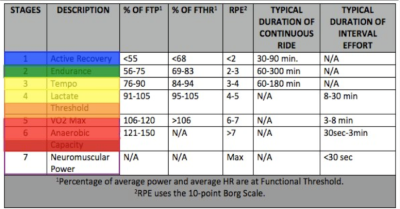
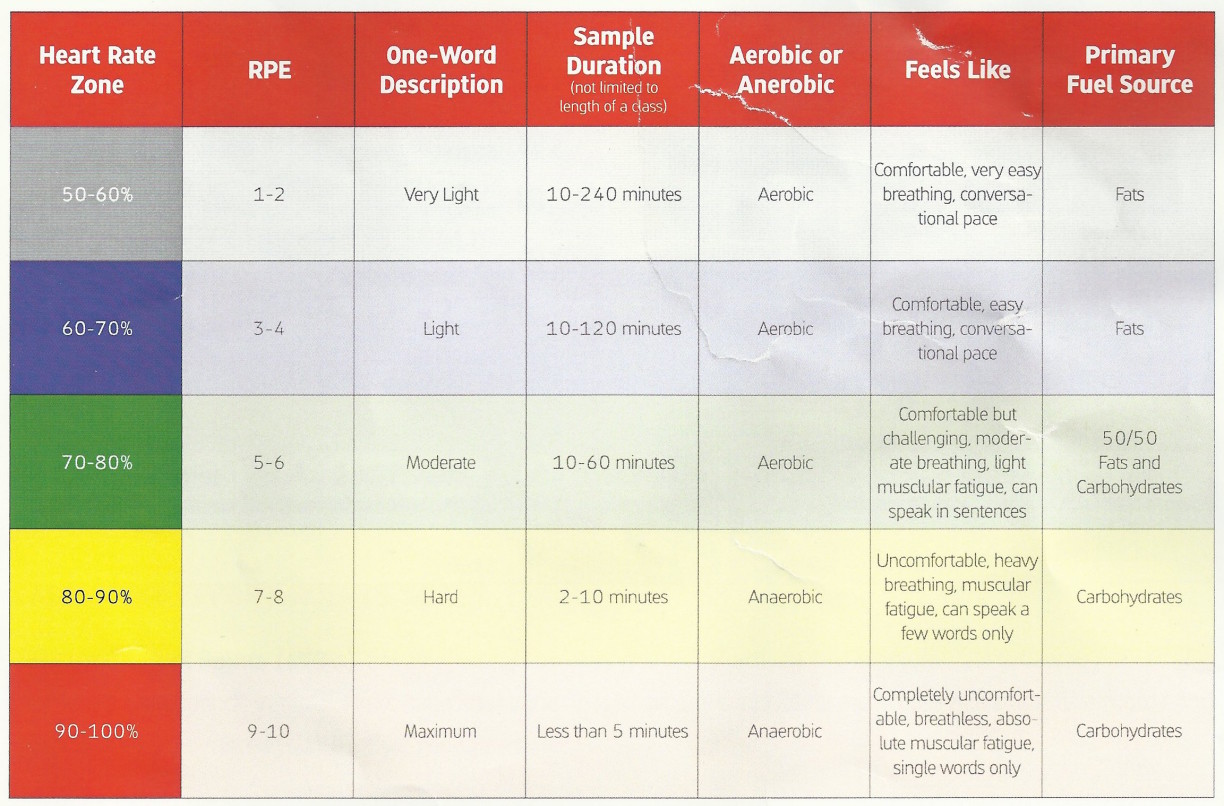
A second area where athletes unknowingly sabotage themselves is in their discipline sticking to intensity and volume targets. It’s important to stick to the targets for how hard or easy a workout should be (intensity) as well as how long or short a workout should be (volume). All too often athletes like pushing their endurance-based workouts into a tempo or Zone 3 effort because they feel like they aren’t working hard enough. Unfortunately, by raising the intensity, the athlete no longer reaps the endurance benefits, and they are not working hard enough to reap the benefits of a high-intensity session. We often see this in our classes. This is where we are doing work, but not the right work.
Recovery
Recovery is central
to your body’s ability to adapt to the training sessions. Training
breaks you down – recovery lets your body put itself back together.
How can we enhance recovery? The most important recovery tool is sleep. According to the National Sleep Foundation, sleep deprivation or “sleep debt” increases the production of the stress hormone cortisol while decreasing the production of glycogen. This combination means you won’t wake up feeling ready to tackle the day’s training session.
Beyond sleep, you can enhance recovery with daily nutrition, as well as properly fueling and hydrating before, during, and after workouts. If you aren’t putting the right gas in your tank, your car won’t work the way you want it to. If you aren’t incorporating a consistent recovery protocol into your training plan, then your body won’t adapt to the training stimulus.
Proper training isn’t just about doing the work. It is about doing the right
work, which includes a focus on consistency, discipline with your
intensity and volume, and recovery. Get the mix right, and you will
continue to see your body and mind working properly towards your next
big dream.
This Podcast is was originally published on December 30, 2008, I have updated it with our new Podcast host information and I am representing it now. I hope you enjoy it, Joey
Interview with Keith Burnage, AKA Keifer as he is known on the Indoor Cycling Forums. Keith is as close to an expert with Mix Meister music software as I have been able to find. Cadence Revolution is a weekly Music Podcast that Keith discribes as:
A weekly sixty minute Podsafe mix of fitness music to exercise, workout, run, bike, Spin to that will move you physically and stimulate you mentally, and is 99 percent talk free! Each show starts with a warm up section, then moves into an aerobic workout, and ends with a cool down session. Give it a try for your next indoor ride, run, or elliptical trainer experience.
Listen to the Podcast below or subscribe using iTunes or Zune.
This Podcast is was originally published on December 10, 2018, I have updated it with our new Podcast host information and I am representing it now. I hope you enjoy it, Joey
Jesse Piersol is a frequent contributor to the Spinning News and also an Adjunct Professor at West Chester University. There she teaches Public Speaking as well as Business and Professional Speech Communications. We discuss an article she wrote for the June 2007 issue – Literally Speaking.
Jesse explains: “I’ve found that fundamental elements of literature, such as setting, character, plot, and point of view can turn an uninspired ride into a memorable one.”
Leave Jesse any questions you have in the Comments below.
Listen to the Podcast below or subscribe using iTunes or Zune.
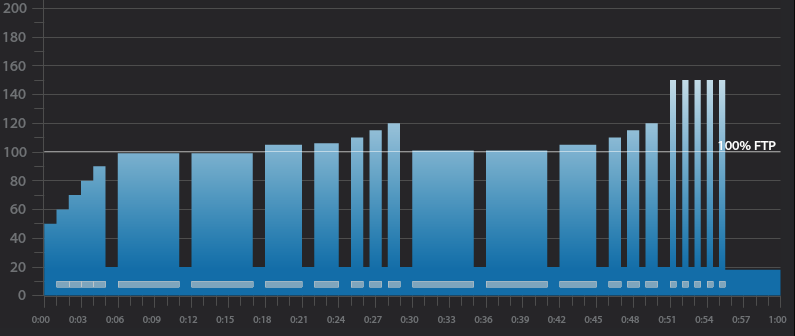
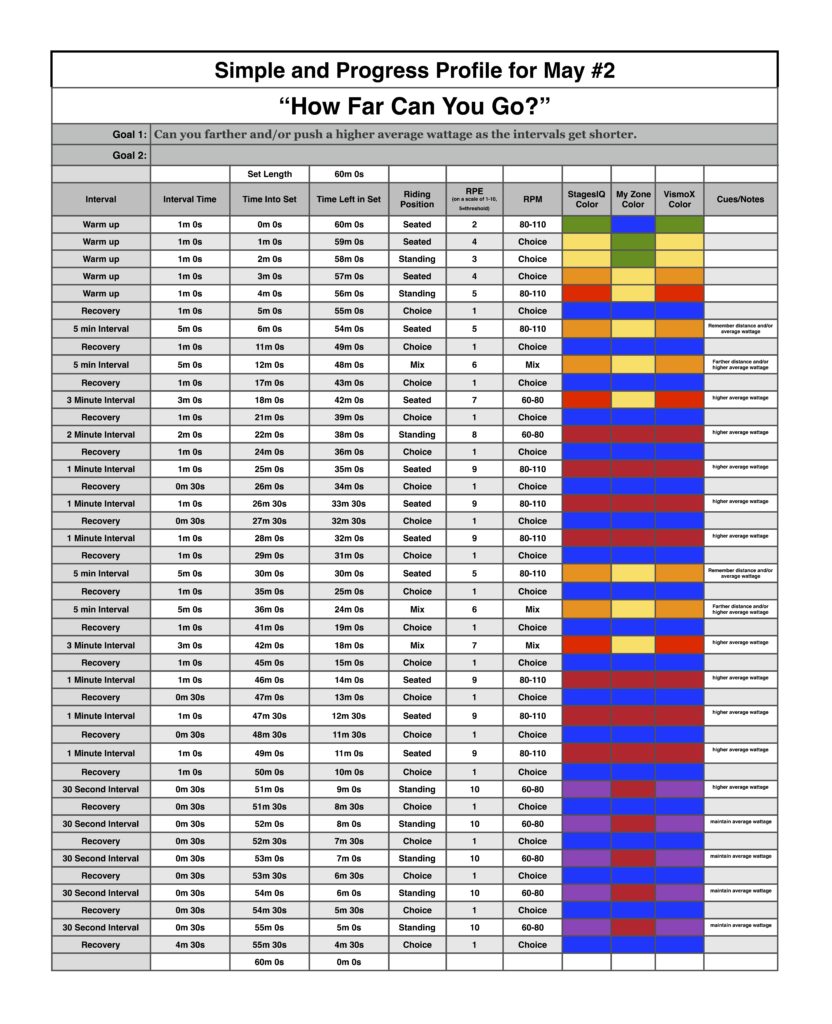
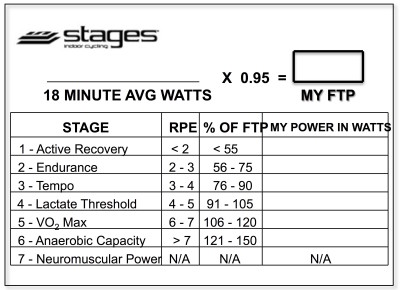
Below, Premium Members can view and download a printable Class Profile that can be used in class, read a detailed description of the Power Based Training Zones and download a printable Power Postcard.
Do you have noise problems / complaints from neighboring businesses? Have you changed class times or cancelled classes to keep the peace with another class in your club? This maybe a solution…
Message from Facebook this morning:
Hi there!
My name is Naomi and I have a summer internship at N2Shape My boss has recently given me a project to implement headset use in all spinning classes as there have been noise complaints in the studio we use. She wants to have it so in addition to the instructor having a headset, all people in the class have wireless earphones or headphones as well so that they can hear the music and the instructor. I have been looking online at a couple different websites such as Iqua Products, AV Now, Amazon, etc, to get ideas but it seems that most places only sell transmitters for the instructor headset. My boss told me you guys have a lot of information regarding spinning and I thought I'd contact you for help! Thank you so much in advance!
My response was easy:
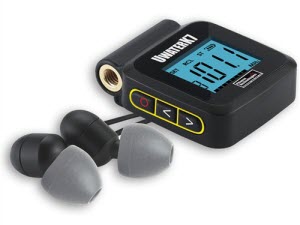
Hi Naomi – thanks for your question. We actually did this back in the late 90's when we first added Spinning classes. What you need is a FM transmitter like this http://www.avnow.com/WES_FM_Broadcast_System_p/wes-t-fm.htm and then have everyone tuned in with a FM radio receiver (old walkmans were FM) – your folks will need to dig into the back of their junk drawers.
Is that enough to get you going?
John
Back in the day (mid 1990's) when our club first introduced Spinning® classes, they employed this exact system. They had installed 24 Schwinn Johnny G Spinners (the original version) in a secluded corner of the fitness floor. A loud sound system with speakers was out of the question, so the Instructor's mic and music played through a FM transmitter. Everyone wore headphones connected to a Walkman tuned to the correct FM radio station.
This transmits both your music and voice to FM radios near by, tuned to the correct station.
Surprisingly it worked well. As long as you hadn't forgotten to turn off your Walkman the day before and were now scurrying around the club, looking for a pair of AAA batteries.
Talking between members was never a problem and there were no volume complaints with everyone having control of their own levels. The effect of having the Instructor's voice delivered directly into our heads was quite intimate as I remember. I'll never forget the classes lead by a particularly instructor (she's still an active Instructor and ICI/PRO member) who was very “breathy” in her class presentation 🙂
Working under the “everything new was once old” school of thought, could this be something you could offer in your studio? I'll bet if you asked, you'd find many of your members have an old Walkman shoved in the back of their junk drawer at home. Or you could buy a bunch to have for rental.
This Podcast is was originally published on December 15, 2008, I have updated it with our new Podcast host information and I am representing it now. I hope you enjoy it, Joey
Hi [firstname]
It's -5 below zero (F) here in Minneapolis as I write this. After listening to Ryan Hogan, from the Australian Fitness Network, describe how nice it is in Sydney I'm ready to go!
Ryan, Jennifer and I discuss Indoor Cycling Down Under (but no, he wouldn't give me a proper Good Day Mate).
New feature – We are including at the end of each Podcast a practical tip that you can use in your next Indoor Cycling Class. In this episode, Jennifer's tip is about queuing resistance. Listen to the Podcast below or subscribe using iTunes or Zune.