Below is a summary of an outstanding article that I read on Training Peaks. The original article published on March 28, 2019 · By Maria Simone can be found HERE.
Many slogans that you find about doing work can inspire and motivate! However, it’s only through doing the right work that you will make our big dreams a reality. We can think about doing the right work in three ways: consistency; discipline with intensity and volume; and recovery.
Consistency
Consistency is the most important element of any training plan. In order to build your fitness and prepare your body for the demands of race day, or a really hard class, you need to be able to train daily.
To train consistently, we need to plan ahead in order to balance training with other life priorities. Of course, in some cases, it may not be possible to fit the scheduled training on a particular day. If you are self-coached, review the rhythm of the plan. Consider whether it’s possible to swap days, shorten or modify a workout, or skip the session when unexpected conflicts arise. When all else fails, remember one day here and there won’t ruin your overall consistency. Try not to regularly miss key workouts or rethink the flow of the plan and/or your life schedule to set yourself up for success.
Discipline with Volume and Intensity
A second area where athletes unknowingly sabotage themselves is in their discipline sticking to intensity and volume targets. It’s important to stick to the targets for how hard or easy a workout should be (intensity) as well as how long or short a workout should be (volume). All too often athletes like pushing their endurance-based workouts into a tempo or Zone 3 effort because they feel like they aren’t working hard enough. Unfortunately, by raising the intensity, the athlete no longer reaps the endurance benefits, and they are not working hard enough to reap the benefits of a high-intensity session. We often see this in our classes. This is where we are doing work, but not the right work.
Recovery
Recovery is central
to your body’s ability to adapt to the training sessions. Training
breaks you down – recovery lets your body put itself back together.
How can we enhance recovery? The most important recovery tool is sleep. According to the National Sleep Foundation, sleep deprivation or “sleep debt” increases the production of the stress hormone cortisol while decreasing the production of glycogen. This combination means you won’t wake up feeling ready to tackle the day’s training session.
Beyond sleep, you can enhance recovery with daily nutrition, as well as properly fueling and hydrating before, during, and after workouts. If you aren’t putting the right gas in your tank, your car won’t work the way you want it to. If you aren’t incorporating a consistent recovery protocol into your training plan, then your body won’t adapt to the training stimulus.
Proper training isn’t just about doing the work. It is about doing the right
work, which includes a focus on consistency, discipline with your
intensity and volume, and recovery. Get the mix right, and you will
continue to see your body and mind working properly towards your next
big dream.
Welcome to the Indoor Cycle Instructor Podcast | ICI/PRO Premium Education free podcast. This episode was recorded live in San Diego CA by Amy and Joey while at the 2019 IHRSA Event. This episode is a general commentary on the show and a brief rundown of the people that we connected with at the show. We will have several more indepth episodes with Amy and Joey and then several episodes with the indiviuals and their companies throughout the year.
Yoga can be a great addition to any endurance athlete’s training plan and overall health. It can improve your strength and balance, as well as give you a heightened sense of how your body moves. But like all aspects of fitness, it’s not without risks.
The Benefits of Yoga for Endurance Sports
Yoga helps develop strength through controlled movements and poses. In any sport, consistent movement is vital for efficiency and injury prevention. Consider running – the connection of your feet to the ground, where you toe-off, your body symmetry in dynamic movement, and your posture are all dependent on good core strength. Boat pose, downward facing dog, locust pose and plank are examples of poses that build strength and stability.
Yoga also develops balance. Cycling (cornering, descending, and out-of-the-saddle climbing), swimming (holding streamlined body alignment during rotation), and running (maintaining a limber, dynamic gait through technical cross-country courses) can all benefit from better balance. Tree pose, warrior, and side plank are good examples of poses that develop balance.
As you move through various poses, remember to breathe into the stretches and be mindful of how your body is feeling as you work through any discomfort. This will give you context in racing and training and help you hone in on imbalances. Simply slowing down your day and moving through a flow session with intent and focus can also be incredibly relaxing.
The Risks of Yoga for Endurance Athletes
If you are in the thick of training for a 100-mile century ride, an hour of strength-intensive vinyasa yoga at the end of the day may take away more than it provides. Even practicing yoga on your recovery day can be too much exercise. To continue yoga without adding fatigue during heavy training blocks, choose a beginner class, or opt for yin yoga, which is more regenerative.
Injury can be a concern in yoga as well. Athletes tend to be physically competitive in nature, which isn’t always ideal for deep stretching. To avoid going down with a yoga injury, try to err on the side of under-doing your poses. Remember, there’s no prize awarded at the end of class to the downward dog champion! Instruction quality is also important. An experienced instructor can help you avoid excessive soreness, a strained muscle, or joint injury.
It’s also a good idea to approach bikram (hot) yoga with caution. It’s a style of yoga enjoyed by many, and can help with heat adaptation for hot climate races. On the flip side though, it can also contribute to fatigue and dehydration. Additionally, the heat opens your joints and muscles for further range of motion, which may increase the risk of a strain or a tear.
Whether you are a yoga novice or a veteran returning after a break, adaptation is key. Yoga should be supplementary to your training, not deleterious. Be consistent and ease into it gradually over a span of three to four weeks. Learning new skills can benefit your main sport as well as overall long-term health and happiness. Be calm, consistent, and patient, and yoga will be a great supplement to your endurance training protocol.
By Lance Watson, LifeSport head coach, has trained a number of Ironman, Olympic and age-group Champions over the past 30 years. He enjoys coaching athletes of all levels. Contact Lance to tackle your first IRONMAN or to perform at a higher level. For more training tips, visit LifeSport Coaching on Facebook or on Twitter at #LifeSportCoach.


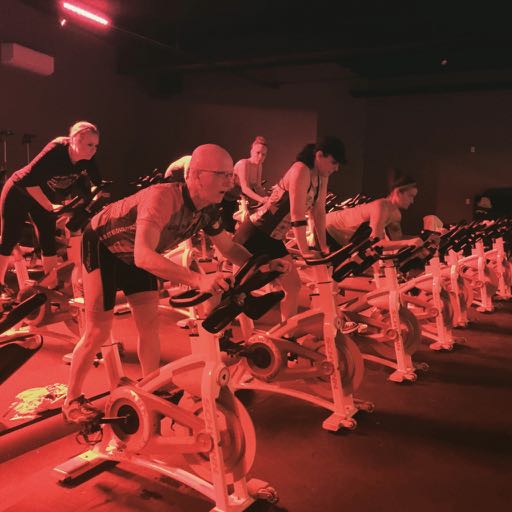


 Welcome to the Indoor Cycle Instructor Podcast | ICI/PRO Premium Education free podcast. This episode was recorded live in San Diego CA by Amy and Joey while at the 2019 IHRSA Event. This episode is a general commentary on the show and a brief rundown of the people that we connected with at the show. We will have several more indepth episodes with Amy and Joey and then several episodes with the indiviuals and their companies throughout the year.


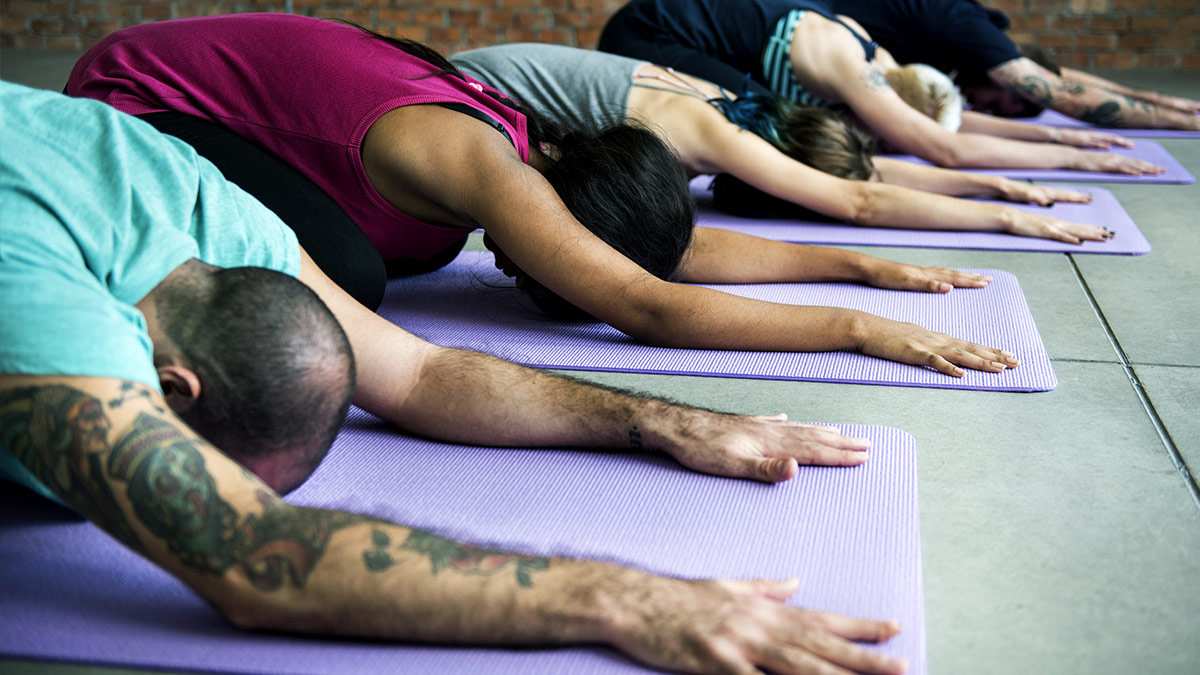
 Yoga can be a great addition to any endurance athlete’s training plan and overall health. It can improve your strength and balance, as well as give you a heightened sense of how your body moves. But like all aspects of fitness, it’s not without risks.