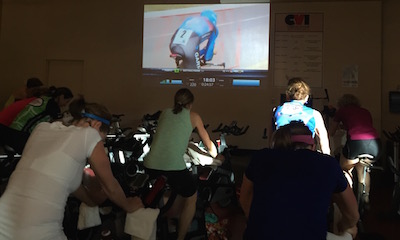
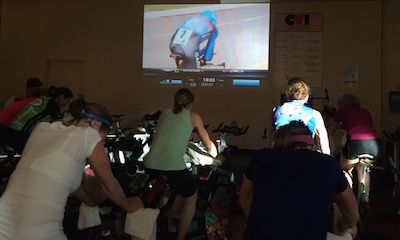
Over the last year I have been trying to take classes from many different instructors in many different facilities. I've been doing this to see what kind of profiles other instructors are using and what kind of music they are playing. Also, as a Master Educator for Stages Indoor Cycling, I want to see if our eduction is making it's way into these facilities and what we need to emphasize in our trainings.
When it comes to music I have found that most instructors are using mixes that you would hear in dance clubs. They are high energy with a strong beat. I like these mixes and they work well in most class, but sometimes I like to use Classic Rock songs that have real instruments with sing-a-long lyrics.
In this week's “Power of 3” mix I used some songs that bring me back to my childhood, riding in the car with my parents and hearing them sing along on the old AM radio.
[wlm_private ‘PRO-Platinum|PRO-Monthly|PRO-Gratis|PRO-Seasonal|Platinum-trial|Monthly-trial|PRO-Military|30-Days-of-PRO|90 Day PRO|Stages-Instructor|Schwinn-Instructor|Instructor-Bonus|28 Day Challenge']
Healthful omega-3 fats are found in such foods as fatty fish, flaxseed oil, walnuts and walnut oil, and leafy green vegetables. Other top sources of fats include raw coconut oil, avocado, olive oil, nuts and seeds. With nuts and seeds, raw is better than roasted.[wlm_private ‘PRO-Platinum|PRO-Monthly|PRO-Gratis|PRO-Seasonal|Platinum-trial|Monthly-trial|PRO-Military|30-Days-of-PRO|90 Day PRO|Stages-Instructor|Schwinn-Instructor|Instructor-Bonus|28 Day Challenge']
Higher intake of omega-3 fats may be associated with decreased incidence of depression, anxiety, and bipolar disorders. A diet lacking omega-3s may result in cognitive or behavioral problems, or such conditions as dementia, schizophrenia and more.
High triglycerides (blood fats) have been shown to be associated with depression, aggression and hostility. Omega-3 fatty acids may play a role in preventing high triglyceride levels.
As an additional benefit, fats can increase satiety. When fats (or proteins) first enter the small intestine, they trigger the release of a hormone known as CCK (cholecystokinin), which produces satiety, the feeling that we’ve had enough food. Interestingly, CCK cuts down our carb consumption and carb cravings specifically. A diet too low in fats can thus result in cravings and overeating.
For all of these reasons, it’s good to eat some healthful fats with your meals.
Do You Often Eat the Wrong Carbs?
Lets start with leafy green vegetables. Do you eat enough of them? Enough would be 3 to 5 cups per day, every day. But how do vegetables affect your mood?
Leafy vegetables contain folate. A diet that’s deficient in folate can result in low serotonin production, which in turn can cause possible depression. Build big salads from a variety of “serious” greens (kale, spinach, arugula, chard and more). Not iceberg lettuce! Eat these serious salads every day. (And other vegetables, too.)
On the other hand, a diet too high in the wrong carbs — meaning starchy or sweet carbs — will trigger high levels of insulin. Some people, called carbohydrate sensitive, release extra insulin when they eat these types of carbs. That can actually change the neurochemical balance of the brain.
To give just one example, a high-carb diet can make you insulin resistant. This is not always recognized. We typically hear that insulin resistance is a result of overweight — but it can also be caused by diet.
Insulin action is necessary for the production of serotonin. So insulin resistance could cut down on serotonin production, leading to depression or other dysphoric (rotten) moods.
When you eat carbohydrates, emphasize vegetables, lentils, beans, rice, or root vegetables — such as yams, turnips or parsnips. These would be more desirable than always turning to pastas and breads, which may trigger more insulin. Research has shown that, in general, wheat tends to trigger higher levels of insulin resistance than other starchy carbs.
And always keep your intake of sugar to a minimum — or eliminate it altogether.
Do You Drink Alcohol Regularly or Frequently?
Regular use of alcohol may either cause, or exaggerate, low brain levels of serotonin. Alcohol can do that in a couple of ways. One is by causing malabsorption of folate. Another is by actively destroying vitamin B6.
As explained above, folate and B6 are both necessary for serotonin production. Also stated above, B6 is necessary for production of norepinephrine and dopamine, as well.
So drinking alcohol frequently can result in depression and other mood disorders, resulting from low levels of these 3 important brain chemicals.
In addition, alcohol use can cause reactive hypoglycemia, a condition of low blood glucose following the consumption of alcohol. Reactive hypoglycemia results from the high insulin levels triggered by alcohol. High insulin may then cause glucose to drop — quickly and quite low.
Reactive hypoglycemia is associated with various mood-state disorders, such as depression, irritability, outbursts, or temper tantrums. If you want to keep your moods even, whenever you drink alcohol, do so in moderation.
Finally, low serotonin is often associated with cravings, especially for carbohydrate foods. To help keep serotonin levels adequate, limit alcohol consumption. Drink less often or have fewer drinks when you do drink.
There’s much more we could say about bad moods and foods. For example, bad moods can bring on cravings, typically for carbohydrates — and not the good kind. PMS or stress can also bring on cravings. But what causes cravings is a topic for another post.
Sticking with the current topic, if your diet tends to be high in white flour or sugar, or if it tends to be low in protein, good fats, complex starches, or veggies — or if you drink alcohol frequently — please try these general guidelines:
– Eat lean protein throughout the day. Lean protein would include fish, shrimp, eggs, chicken, or unsweetened protein powder.
– At lunchtime, avoid or limit starchy or sweet carbs.
– Eat plenty of vegetables, especially leafy greens, throughout the day.
– Whenever possible, select complex carbs — such as quinoa, lentils, turnips, squash — rather than white flour products.
– Include some healthful fats in each of your meals or snacks.
– Limit your alcohol consumption.
These general guidelines may help you improve your mood and increase your energy levels — whatever you may be doing throughout your day or week.[/wlm_private]
You may also find that your food cravings will diminish and — along with them — the urge to overeat!
Kickstart My Heart by Motley Crue is one of my favorite indoor cycling songs. It's my first choice whenever a profile calls for a Tabata interval. A Tabata interval is simply 8 max effort 20 second intervals with only 10 seconds rest between each.
If a Tabata interval done to Kick Start My Heart while watching a big wave surfing video doesn't get your rider's heart pumping, nothing will.
[wlm_private ‘PRO-Platinum|PRO-Monthly|PRO-Gratis|PRO-Seasonal|Platinum-trial|Monthly-trial|PRO-Military|30-Days-of-PRO|90 Day PRO|Stages-Instructor|Schwinn-Instructor|Instructor-Bonus|28 Day Challenge'].
As you may know, moods can affect our appetites and our food selection. People often eat for emotional reasons, based on their moods.
What’s helpful to know is that the reverse can also be true. What we eat — and when we eat it — can affect our moods, our minds, and our ability to work productively all day, sleep soundly at night, and more.
The foods we eat can cause such low mood states as depression, irritability or anxiety. Diet can also exaggerate our tendency to experience those moods.
Much of that occurs through the action of neurochemicals — chemicals in the brain that transmit information. As you read through this, keep in mind whether your diet may be preventing you from feeling as good as you could.
Do You Feel “Down” After Your Lunch?
If afternoons are tough for you, you might be eating too many starchy or sweet carbs at lunchtime. Some people experience that reaction to carbs more strongly than others.
Protein foods trigger the production of the brain chemicals dopamine and norepinephrine, which will keep you awake, alert and feeling good.
A meal of pasta, on the other hand — either with or without bread — can raise insulin levels significantly. The rise in insulin allows tryptophan, an amino acid, to reach the brain.
Once tryptophan gets to the brain, it’s used to make serotonin. Serotonin is a brain chemical that makes us feel relaxed and calm. High levels of serotonin, though, can cause lethargy, sleepiness, and, in some people, a “down” or depressed mood.
Vegetables don’t raise insulin, so they don’t trigger serotonin and won’t bring you down. That makes them an excellent lunchtime food if you need to stay focused and positive, and work through the afternoon and early evening.
A good solution might be to eat a high-protein, low-carb lunch, such as chicken and salad — and go easy on the breadsticks, baked potato, or other starchy carbs.
Skipping sugary desserts is another way to keep yourself feeling alert and positive after lunch — or after any meal.
This alternative approach to your mid-day meal should help you stay awake, “even” and productive for the rest of your working day.
Is Your Diet Too Low In Protein?
If your moods tend to be low in general, if you feel sleepy often, or if you have strong cravings for carbs, it’s possible that your diet is too low in protein.
Protein is made of amino acids. We learned about them in basic biology as the “building blocks” of protein. The amino acid tyrosine is what the brain uses to make two chemicals — norepinephrine and dopamine. Low levels of norepinephrine can lead to depression, and low levels of dopamine can lead to the “blahs.”
Tryptophan, used to make serotonin, is also an amino acid, so it too comes from protein. Studies have shown that diets low in tryptophan can trigger depressive symptoms in susceptible people.
This doesn’t contradict the first point about how a high-carb lunch can trigger sleepiness or a down mood. Carbs — and specifically the insulin they trigger — are involved in transporting tryptophan to the brain.
But tryptophan itself comes from protein, so we need to eat adequate protein throughout the day to make sure we can make serotonin when we want and need it.
Finally, protein foods contain vitamin B6 (along with other B vitamins). B6 is necessary for the proper production and release of serotonin, dopamine and norepinephrine.
Low levels of those 3 brain chemicals could result in depression or other mood issues. To repeat the suggestion above, make sure to eat lean protein (fish, chicken, shrimp, for example, or even protein powder) with your meals and snacks throughout the day.
[Part 2 will cover more ways foods may affect your moods.]
In advance of recording her new Audio Profile Beat Down, Instructor Krista Leopold and I discussed her need to take a break from teaching. With a demanding tech job, along with being an active soccer mom, Krista explains why she decided to step away from regularly scheduled Spinning® classes in this episode of the Podcast.
This ties in with my moving to Florida and having to give up my classes at Life Time Fitness. So for the first time in 17 years I don't have a scheduled class next week 🙁 Not sure how I'm going to feel, once this sinks in…
For those of you who are still teaching, we've published Krista's profile Beat Down for our ICI/PRO members. It's going to include a special treat – a fully mixed MP3 of the complete class playlist!
I taught my final class for LifeTime Fitness yesterday and thought I would use my very last track as this week's free music Friday.[wlm_private ‘PRO-Platinum|PRO-Monthly|PRO-Gratis|PRO-Seasonal|Platinum-trial|Monthly-trial|PRO-Military|30-Days-of-PRO|90 Day PRO|Stages-Instructor|Schwinn-Instructor|PRO-Visitor|PRO-Studio']
Line of Fire from Junip is one of those sneaky songs that starts quiet and unassuming. Then it begins to build @ 92 RPM, in volume and intensity. Listen for the obvious places to cue additional load that come about 20 seconds apart. We built up to our Best Effort power over the first 2:30. Then there's a nice quiet spot to regroup before ramping up again to the BIG FINISH – you decide how long you want to keep everyone above threshold. The total length (before the outro) is 5:22. Plenty of time to really do something cool!


 .
. .
.