by Gino | Dec 11, 2017 | Instructor Training, Master Instructor Blog, Training With Power
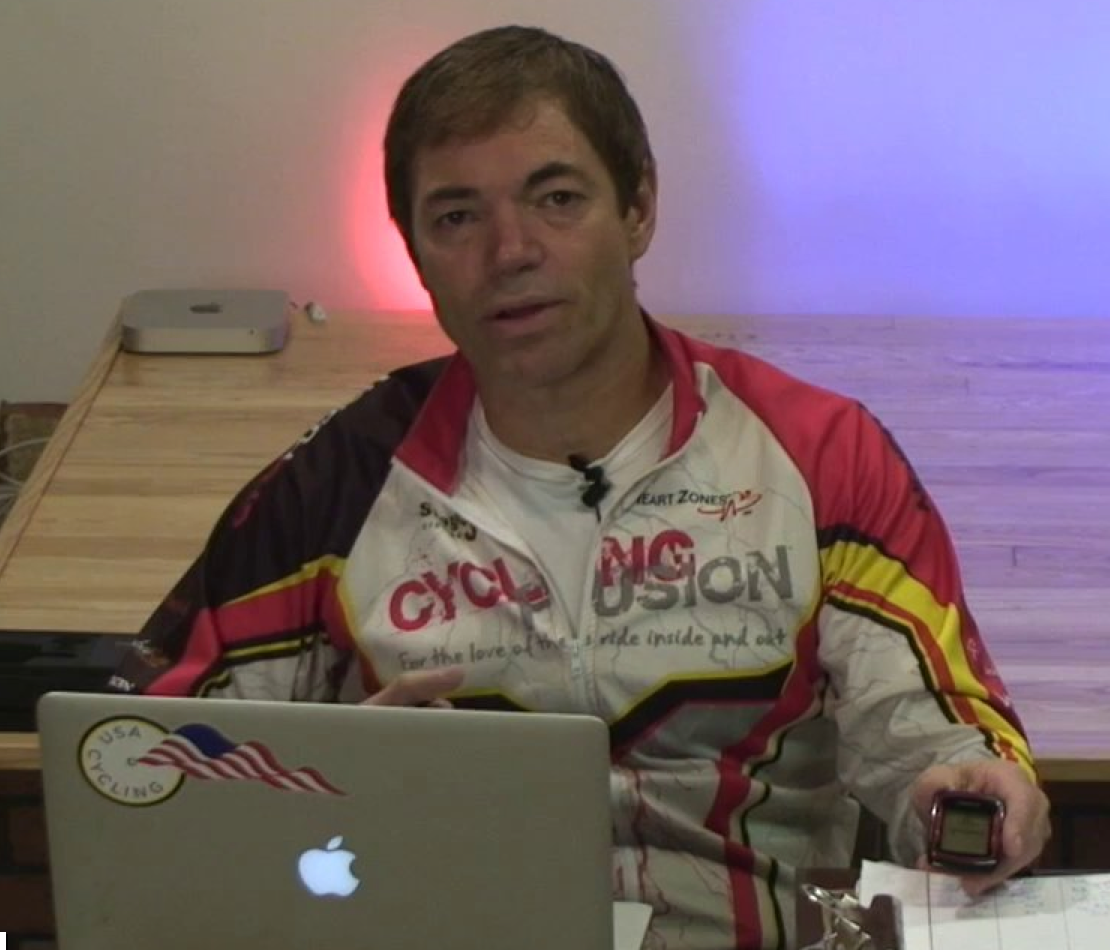
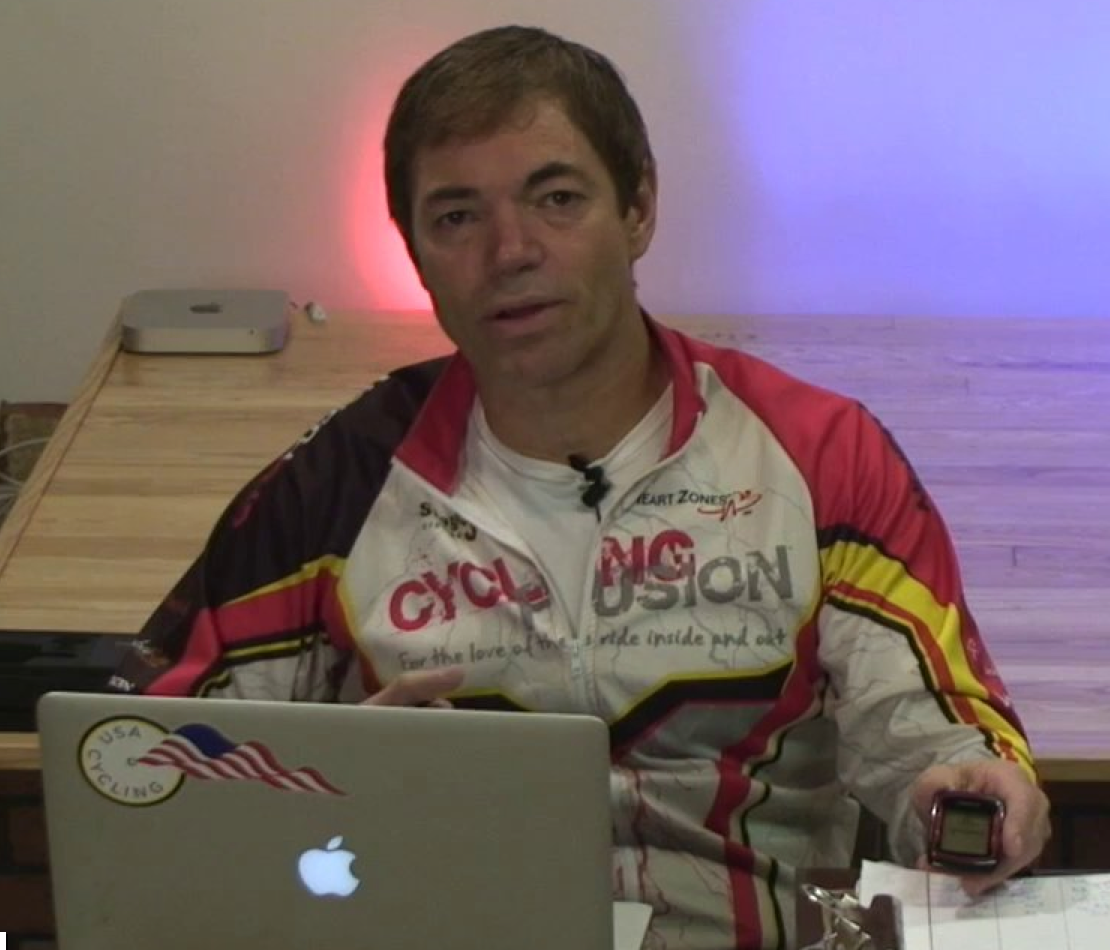
Coach Gino walks us through data collection
The first two video blogs showed the detailed process of performing power tests on the Keiser m3 bike with Garmin Vector power pedals mounted on them so that the power shown on the Keiser m3 can be compared to the power being measured by the Vector pedals. As you know, the m3 displays power based on a calculation or table within the computer that is a function of the magnet’s position with respect to the flywheel and the speed of your pedaling (cadence or RPM).
The standard approach considered most accurate and reliable in the industry is to measure the power where it is applied — somewhere between the feet moving those pedals, and the axel of the wheel being propelled forward by the pedaling motion. Power meters can now be found in any number of places along that continuum; from the pedals to the crank arms to the bike’s bottom bracket and the most widely used place of all – in the hub of the rear wheel. These power meters contain strain gauges that literally are sensing the torque or force being applied as you pedal.
It is these power readings that are then recorded on the Garmin 500 bike computer that I paired to the Vector power pedals to get a true reading of power being exerted during each pedal stroke. In fact, there are strain gauges in each pedal so that it also reports on the differences in power generated from each pedal; left and right. So we now can know what the real power numbers are as we work out on the Keiser m3.
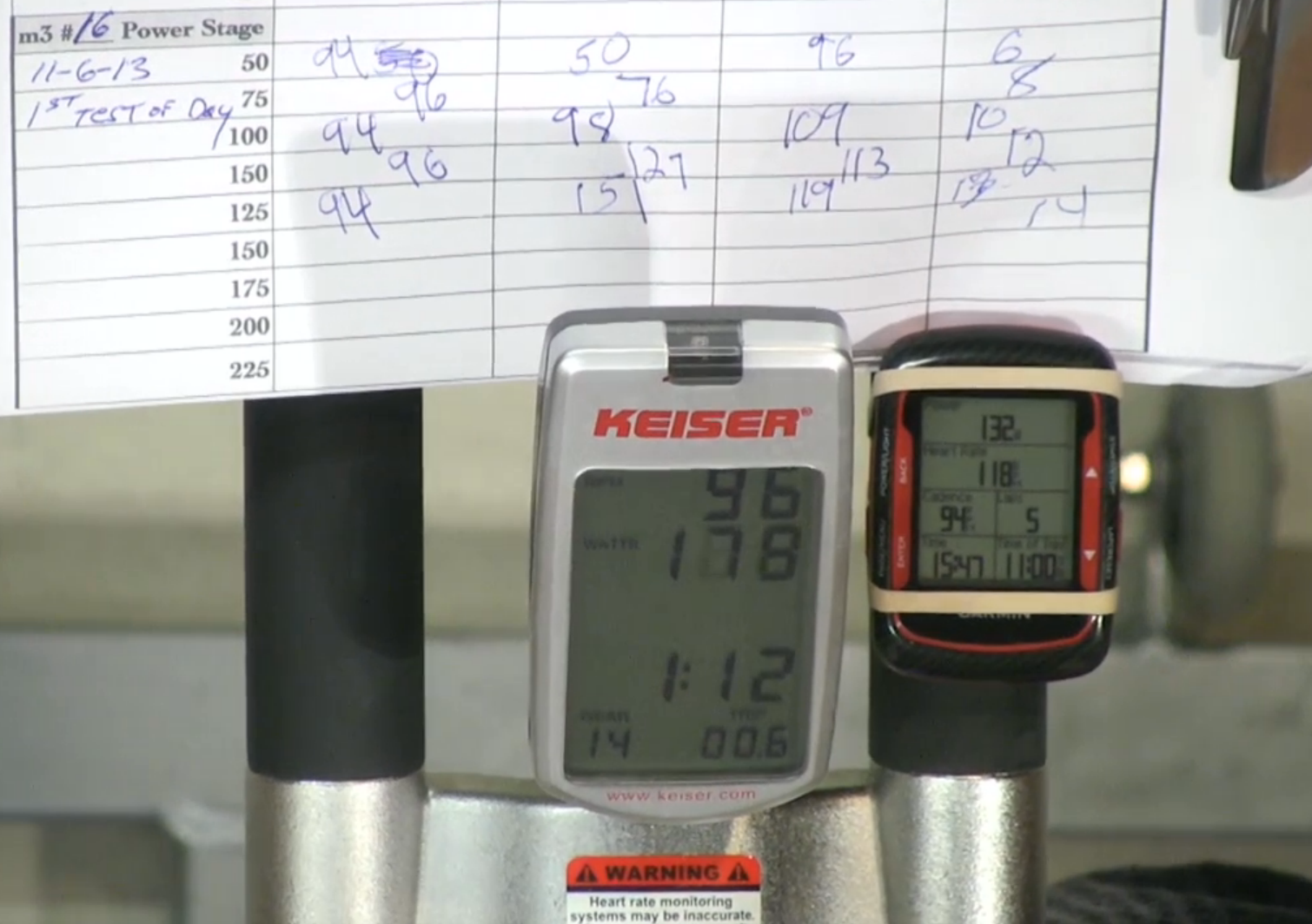
This is the 3rd video in the series that shows the exact process I underwent to take the data generated (from both the Keiser bike and the Vector pedals ) during these tests and record them. The recording of data included both graphic snapshots as well as detailed numeric data from both the Garmin and the hand written readings taken during the actual test (since the Keiser offers no way to retrieve the data from their computer). These were all then copied into a single spreadsheet for comparison and analysis.
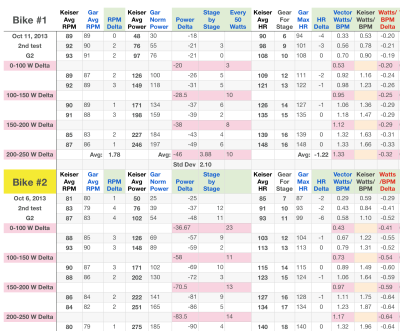
Spreadsheet shows both Keiser display and Garmin Vecor #s
I warn you, if you are not a data geek, and are not experienced in the unique joys of number crunching, this video may not be safe for you. Make sure to have soft surroundings as you watch this video. Without the proper training and experience, you may find yourself falling asleep at an alarmingly fast rate. Viewer beware! Click the link below if you dare… I mean to watch the video. ☺
Watch the 3rd video blog.
http://vimeo.com/78927160
Indoor Cycling Power Accuracy & Validation Research from Cycling Fusion on Vimeo.
Originally posted 2014-01-29 17:21:10.

by Christine Hawthorne | Dec 8, 2017 | iTunes, iTunes & Spotify Training, Music, Spotify
 I get a lot of questions about Spotify, but the one question that I get over and over from people that are interested switching from iTunes is: “Do you own the music?”, or “Can I sync music from Spotify to my iPod or burn it to CD? “ And my answer is always the same: “No, you can’t, but you won’t believe what you CAN do for only $9.99 a month!” Now I know that bothers a lot of people. What's the sense in spending $9.99 a month and having nothing to show for it? How is this worth the cost?
It seems that when it comes to music for our cycling classes, there are two camps: Those that want to own all of their music, and those that see their music as more disposable and don't mind ‘borrowing' it.
If you are strictly an iTunes user, then you own the music that you purchase. Well, at least you own the license to listen to songs on many devices.(* Here’s an interesting article from CNN that raises questions about digital music ownership.) It’s all yours. I once strictly used iTunes and now I own a LOT of music. Most if it I rarely listen to or use in my playlists anymore. It just sits there taking up storage space on my computer.
If you are a Spotify user, you are essentially borrowing the music. You are paying Spotify $9.99 for UNLIMITED access to their extensive library of tunes. I (along with many other cycling instructors that have jumped on the Spotify bandwagon) believe that the borrowing is the way to go.
Here are my top 8 reasons why I would rather borrow music from Spotify than buy it :
- I have unlimited access to music. I rarely am unable to find a song that I am looking for. If that does happen, I will purchase the song on iTunes or Amazon, but I’m still not spending as much money as I was pre-Spotify.
- I can listen to a song all the way through and then decide if it’s something I want to use in my playlist. I can’t count the number of times that I have purchased a song on iTunes and then later found that it was not suitable for my playlist.
- Spotify has a radio feature that allows me to ‘like’ songs as I listen. These songs then go into a file called ‘liked from the radio’ and can be easily accessed for future playlists. This is a great tool for finding new music.
- I don’t have songs (most of which I’m not listening to) clogging up all of my computer space.
- I can take my playlists ‘offline’, which means I can use them anywhere, even without an Internet connection. **You do need to have an iPhone or smart phone device to sync your music.
- I can follow other instructors and see what they’re listening to. I can check out their playlists and if I like what I hear, I can pull a few of the songs over to my own files. If I’m in a bit of a rut, I can even follow someones entire playlist and sync it to my device to use in my own class. (Tip: This is frowned upon if you work in the same gym.)
- Many songs that I borrow, I may only use a few times. If I use it more than that, it will always be there. If I don’t use it again, I won’t feel that I have wasted my money. There are many other songs out there just waiting to go on my next playlist.
- In my leisure time, I do enjoy listening to music. The music that I listen to at home or in the car is not always the same as the music I listen to in my cycling classes. For example, I love using Pitbull in my classes. I can honestly say that I would never listen to his music outside of my class. So owning a bunch of Pitbull does not seem cost effective to me. Here’s another example: My all time favorite band is the Beatles. I have rarely used any Beatles tunes in my classes, but I love to listen to them in my leisure time. Do I own all of my Beatles music? You bet I do. And if I want to borrow it from Spotify, I have that option too.
Spotify is the best $9.99/month I have ever spent as an instructor. It has made my class preparation less time consuming, more fun and much more convenient and to me and that is worth every penny.
What do you think? Do you feel more comfortable owning your music or are you OK with borrowing it?
by Gino | Dec 7, 2017 | Instructor Training, Master Instructor Blog, Training With Power
Data Collection for the Power Accuracy Research project
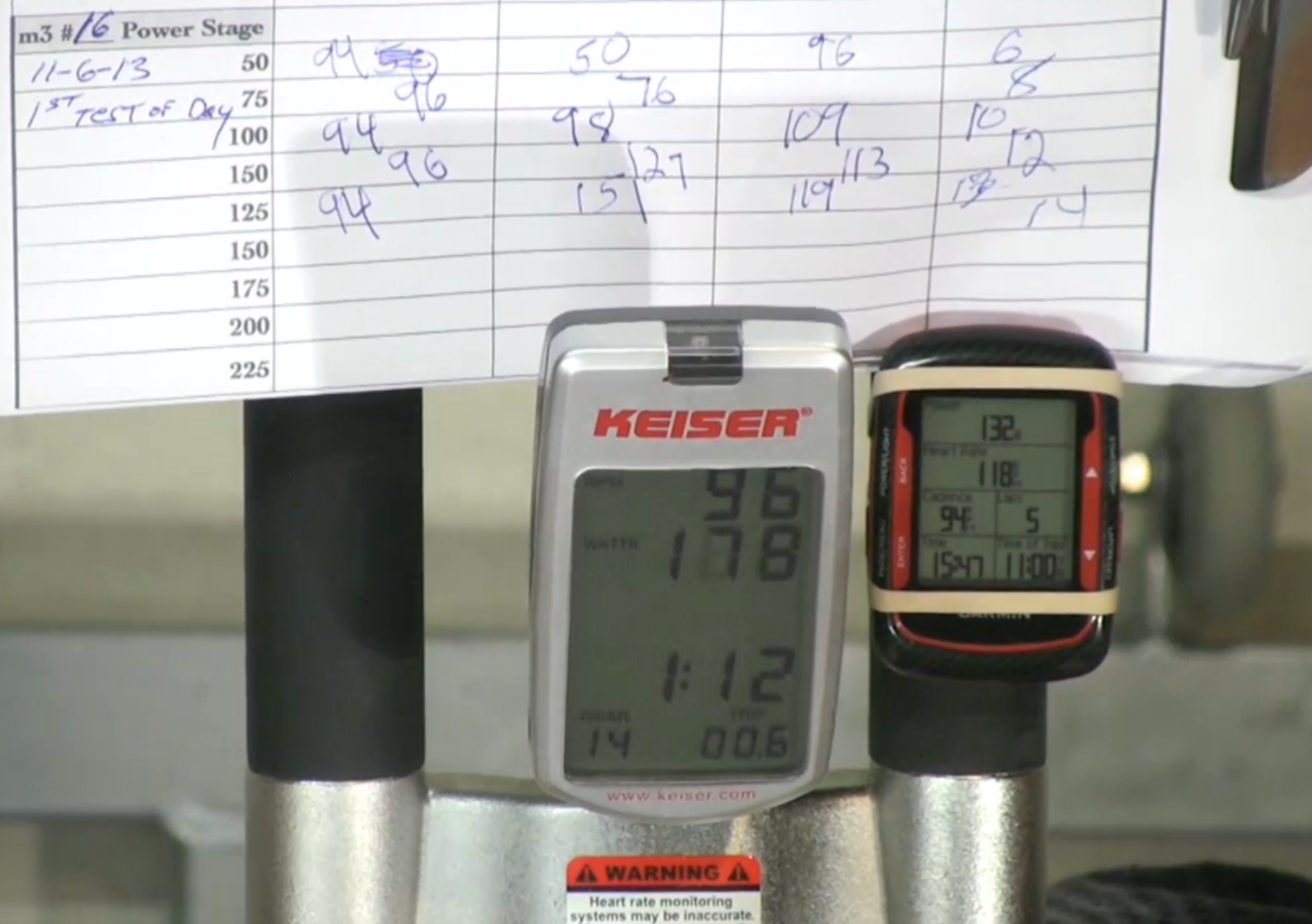
On the last blog post (8/11/17) v we spent a considerable amount of time showing how we set up the test, the equipment, calibrating the power pedals for each trial, positioning all of our data collection tools, and just preparing each test in a methodical manner. This post picks up where we left off and is the only video blog showing the entire test performed on the Keiser m3 with the Vector Power Pedals. This was done so that the reader can see the precise protocol used for all of the trials for all of the different bikes and the repeats with the same bikes.
I only recorded one full session (out of the 25 to 30 total that I performed) as a “reference” session so that the full and complete protocol can be understood and seen. You can even follow along with your own bike if you want to ride while you watch this video.
The most interesting thing to note is that you can see the power clearly as the test progresses between the Keiser and the read out on the Garmin. The variance is significant.
Watch the 2nd video blog.
http://vimeo.com/78919570
Indoor Cycling Power Accuracy Research from Cycling Fusion on Vimeo.
by Joan Kent | Dec 6, 2017 | Health and Wellness, Master Instructor Blog
By Joan Kent
One significant reason for sugar cravings is withdrawal. Withdrawal can promote cravings under various circumstances.
If someone has recently stopped drinking alcohol, cravings for sugar can be strong and frequent. This involves the brain chemicals stimulated by alcohol. The same three chemicals (dopamine, beta-endorphin, and serotonin) are also stimulated by sugar.
The similarity makes sugar a short-term substitute for alcohol when cravings occur. It also explains why people in recovery from alcohol (or drugs) may crave sugar and may eat it often or in large quantities. Or both.
The phenomenon is so common that AA meetings typically feature back-of-room treats that are laden with sugar: cookies, brownies, cakes, pastries. That approach can backfire, but we’ll get to that in a moment.
If someone is addicted to sugar, quitting sugar can lead to cravings. The effect may sometimes be similar to the symptoms of alcohol withdrawal or opiate withdrawal — and also similar to the symptoms of hypoglycemia (low blood glucose).
(As a side note, I postulated years ago that hypoglycemia — especially reactive hypoglycemia, the rapid glucose drop following sugar ingestion in susceptible people — was a specific case of sugar withdrawal. Reviewing the lists below makes it seem there’s a case to be made for that.)
Research shows that cravings are highest when withdrawal is most severe. The higher the level of intake prior to abstinence, the greater the withdrawal and subsequent craving.
Anyway, let’s look at the symptoms in the different cases.
Alcohol withdrawal symptoms include anxiety, nervousness, depression, fatigue, irritability, shakiness, mood swings, nightmares, pupil dilation, clammy skin, headaches, insomnia, nausea, vomiting, sweating, muscle tremor, confusion, rapid heart beat.
Symptoms of hypoglycemia include shakiness, nervousness, anxiety, sweating, chills, irritability, confusion, rapid heartbeat, lightheadedness, dizziness, hunger, nausea, sleepiness, blurred vision, tingling or numbness in the lips or tongue, headaches, weakness, fatigue, anger, sadness, lack of coordination, nightmares, seizures, unconsciousness, confusion, difficulty speaking, night sweats, waking up tired, irritable or confused.
Opiate withdrawal symptoms include agitation, anxiety, muscle aches, eye tearing, insomnia, runny nose, sweating, yawning, abdominal cramping, diarrhea, dilated pupils, goose bumps, nausea, vomiting, fever.
Research on lab animals that have been made addicted to sugar lists withdrawal symptoms that resemble those of opiate withdrawal.
An internet search on symptoms of sugar withdrawal offers lists that include hunger and the desire for sugary foods; headaches; low energy, fatigue; mood swings, crankiness; muscle aches and pains; nausea and other gastric upsets; chills or sweating, especially at night; runny nose; yawning; insomnia.
As you can see, there is quite a bit of overlap in these various symptom lists.
So is sugar withdrawal just like withdrawal from opiates or alcohol? Some would say yes. Some would say that’s too big a stretch. After all, the body has only so many ways of expressing itself, so a similarity in symptoms doesn’t necessarily link them.
But we do know that sugar affects, either directly or indirectly, the same brain chemicals that are affected by alcohol and opiate drugs. As mentioned above, the similarity makes sugar a short-term substitute for alcohol.
However! Eating sugar when you crave either alcohol or sugar can backfire, due to a phenomenon known as priming (i.e., a little makes us want more).
Some people insist priming doesn’t apply to food, just to alcohol or drugs. Clinical experience shows that it does apply, and that avoiding possible priming cues goes a long way toward ending cravings. My advice would be to take priming seriously if you want to end sugar cravings.
[If you have students who need help dealing with sugar cravings and sugar addiction, please let me help. My new program, Last Resort Nutrition® with Joan Kent, starts soon. I also offer individual coaching.]